

Loader Construction Site
2026/06/25 17:30
The wheel loader construction site is a standardized, professionally managed working area specially designated for the operation of wheel loaders, covering a variety of engineering scenarios including infrastructure construction, municipal engineering, earthwork projects, quarry operations, and construction waste treatment. As a core functional area of engineering construction, the site focuses on earth moving, material loading and unloading, ground leveling, and short-distance material transportation, serving as an indispensable basic workplace to ensure the smooth progress of overall construction projects. All on-site operations follow international construction safety specifications and mechanical operation standards, with standardized management implemented in site layout, equipment operation, personnel management, and safety protection.
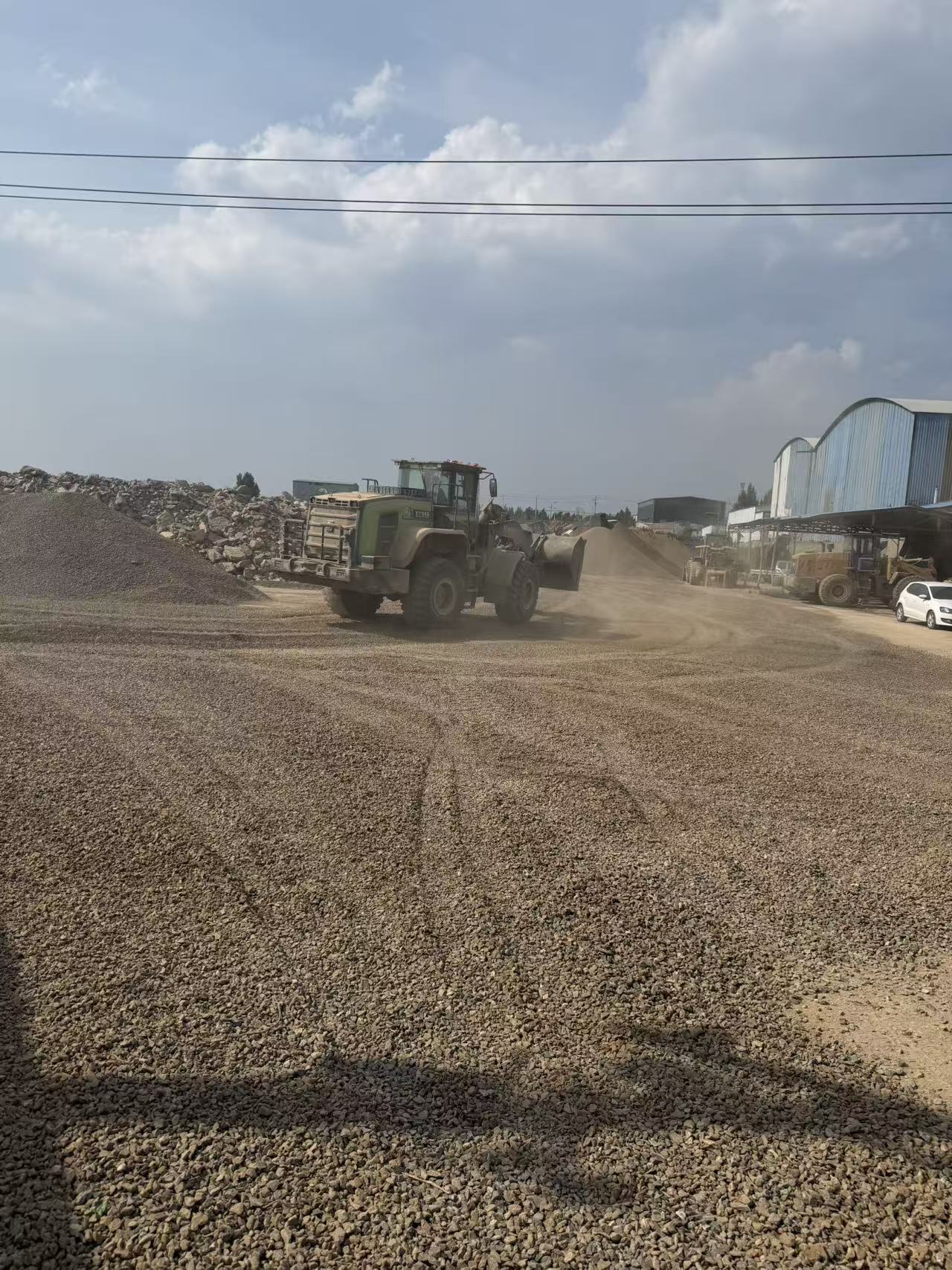
The overall layout of the wheel loader construction site is scientific and reasonable, strictly divided into functional areas to avoid cross-operation conflicts and safety risks. The main areas include the mechanical operation working zone, material stacking zone, equipment parking and maintenance zone, temporary passage zone, and safety buffer zone. The working zone is the core area where wheel loaders perform continuous operations. The ground of this area is compacted with gravel and concrete to ensure flatness, firmness and load-bearing capacity, effectively preventing equipment slippage, sinking and tilt during high-intensity operation. The material stacking zone is set on the side of the operation area with clear boundary markings, used for centralized storage of sand, gravel, soil, construction aggregates and other materials, and the stacking height is strictly controlled to avoid collapse and sliding accidents.
The equipment parking and maintenance zone is a dedicated resting and inspection area for wheel loaders after operation. It is equipped with simple maintenance tools and fire-fighting facilities, providing a safe space for daily equipment inspection, lubrication, fault maintenance and vehicle cleaning. The temporary passage is specially reserved for pedestrian and small vehicle passing, isolated from the mechanical operation zone by safety guardrails and warning signs to separate man and machine operations. The safety buffer zone is set around the entire construction site, with obvious warning lines and safety signs to warn irrelevant personnel not to enter the operation area at will, which greatly reduces the probability of safety accidents.
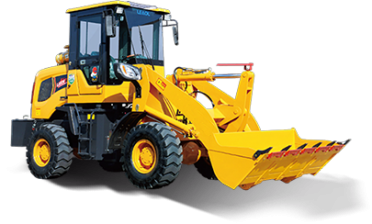
Wheel loaders are the core operating equipment on the site, mainly undertaking multiple key construction tasks. In earthwork construction, the equipment is responsible for excavating, shoveling and transferring bulk soil and gravel, completing foundation leveling, pit backfilling and site cleaning work. In material handling operations, wheel loaders cooperate with dump trucks and conveyor equipment to realize rapid loading and unloading of building materials, greatly improving construction efficiency. In quarry and mine construction sites, they are used for stacking, sorting and short-distance transportation of mined raw materials. All wheel loaders working on the site have passed professional safety inspection and quality testing, with complete operating certificates and regular maintenance records to ensure stable and safe operation in high-load construction environments.
On-site operation procedures are formulated in strict accordance with industrial standards, and all operators must hold valid professional certificates and receive pre-job safety training and technical disclosure. Before starting the machine every day, operators need to conduct a comprehensive inspection of the equipment, including checking the tire pressure, braking system, hydraulic system, fuel system and lighting equipment, to eliminate potential equipment faults. During the operation process, operators shall standardize driving and operating actions, strictly control the operating speed and loading capacity, and avoid overloading, sudden steering, sudden braking and other dangerous operations. When working in complex environments such as uneven ground, narrow spaces and dusty areas, operators need to slow down and observe the surrounding environment in real time to ensure safe operation.
Site safety management is the top priority of daily construction work. The entire construction site is posted with eye-catching safety warning signs, including mechanical operation warning, no unauthorized entry, wearing safety protective equipment, and speed limit reminders. All on-site staff must wear safety helmets, reflective vests and other protective supplies as required. Professional safety supervisors are arranged on duty throughout the construction period to patrol and inspect the site, timely correct irregular operating behaviors and eliminate hidden safety hazards. In addition, the site is equipped with complete fire-fighting equipment, first-aid supplies and emergency response facilities, and regular safety drills are carried out to improve the emergency response capacity of on-site personnel in case of equipment failure, collision accidents and sudden emergencies.
Environmental protection and on-site civilization management are also important parts of site operation. The construction site is equipped with dust reduction equipment such as water sprayers and dust covers. Timely watering and dust suppression are carried out during operation to reduce dust pollution caused by mechanical construction. Construction waste and waste materials generated on the site are classified, recycled and cleaned up regularly to keep the site tidy and standardized. The noise generated by wheel loader operation is controlled within the allowable range of environmental protection standards by optimizing operation time and improving equipment damping measures, reducing the impact on the surrounding environment and residents.
In summary, the wheel loader construction site is a standardized, safe and efficient engineering operation place. Through scientific site layout, standardized equipment operation, strict safety management and standardized environmental protection measures, it can give full play to the working performance of wheel loaders, ensure the efficient and orderly progress of various earthwork and material handling construction tasks, and provide a solid guarantee for the high-quality completion of the overall construction project.