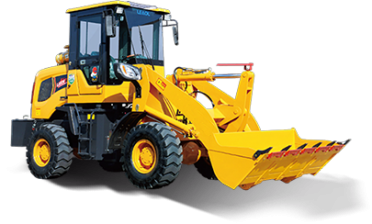

Wheel Loader Maintenance Tips to Extend Service Life for End‑Users
Industry Background: Why Wheel Loader Maintenance Matters for Global B2B Operators
The global wheel loader market continues steady expansion, driven by large‑scale infrastructure projects, mining development and urban construction across Africa, Southeast Asia, Latin‑America and Middle East markets. Industry data shows the global wheel loader market is expected to grow at a CAGR of 4.5% from 2025 to 2033, with massive equipment stock put into heavy‑duty, high‑hour site operation every year. For fleet owners, contractors and machinery purchasers, procurement cost is only part of total‑cost‑of‑ownership(TCO). Poor wheel loader maintenance causes unexpected downtime, expensive component replacement and shortened machine lifespan, greatly erasing project profit margins.
Many end‑users invest heavily in brand‑new or quality‑imported wheel loader units, yet overlook standardized wheel loader daily maintenance. Under dusty mining sites, muddy construction yards or high‑temperature tropical operating conditions, wear speed of engine, hydraulic assemblies, axles and transmission will rise sharply without regular inspection. According to equipment service statistics, wheel loader with strict preventive maintenance schedule can achieve 20‑30% longer overall service life, and cut unscheduled repair expenses significantly. Meanwhile, the heavy‑equipment after‑sales and maintenance service market keeps rising, which also pushes global buyers to master basic on‑site maintenance know‑how to reduce dependence on remote after‑sales support.
Modern wheel loader manufactured by Chinese factories adopts reinforced chassis, high‑efficiency hydraulic circuit and reliable power modules during production. Even with solid manufacturing quality, machine performance will gradually degrade if daily care is neglected. That makes systematic wheel loader maintenance a core competency for every equipment operator and fleet manager worldwide.
Core Wheel Loader Daily Maintenance Checklist for End‑Users
Performing wheel loader daily maintenance before each shift is the most cost‑effective measure to avoid sudden breakdowns. Daily inspection focuses on visible wear, fluid status and safety components, which takes 10‑15 minutes for trained operators.
Pre‑operation Walk‑around Inspection
Start with full visual walk‑around of the wheel loader. Check all fluid levels: engine oil, coolant, hydraulic oil, transmission fluid and fuel. Confirm no obvious oil or coolant leaks around engine compartment, hydraulic pipelines, cylinder joints and axle housings. Inspect tire condition, verify tire pressure matches manufacturer specification; abnormal low pressure increases fuel consumption and accelerates tire damage, while over‑pressure brings puncture risk on rocky ground.
Check bucket teeth, cutting edges, hinge pins and bushings for excessive wear. Loose pins will generate heavy vibration during loading cycles and damage front frame structure. Examine battery terminals for corrosion, fan belts for crack or slack tension. Test brake response and steering flexibility before formal loading work. Record abnormal signs on maintenance log, do not run the wheel loader with hidden faults.
Post‑shift Cleaning and Simple Care
After finishing daily work, clean dust, gravel and mud stuck on radiator surface, engine outer shell and hydraulic components. Clogged radiator fins easily trigger engine overheating, one of the top causes shortening wheel loader service life. Grease all lubrication points following manufacturer’s lubrication chart. Remove residual materials inside bucket to prevent corrosion. Park wheel loader on flat ground, lower bucket fully onto ground, release hydraulic pressure and shut down engine properly.
Scheduled Preventive Wheel Loader Maintenance by Operating Hours
Beyond wheel loader daily maintenance, end‑users must strictly follow hour‑based service intervals recommended by OEM manuals. Working conditions adjust actual service cycles: dusty mine, high‑humidity or heavy‑load scenarios require shortening maintenance cycles appropriately.
Every 50 working hours: Complete comprehensive greasing for articulation joints, bucket linkages and axle components; double‑check tightness of bolts on chassis and front frame.
Every 200‑250 working hours: Replace engine oil, oil filter, fuel filter and air filter elements. Blocked air filter lets abrasive dust enter engine cylinder, leading to early engine wear, power drop and higher fuel consumption. Many end‑users skip timely filter replacement, resulting in expensive engine overhaul halfway through machine lifecycle.
Every 1000 working hours: Service hydraulic system, replace hydraulic oil and hydraulic filters. Contaminated hydraulic oil scratches hydraulic pump, valve groups and cylinder seals, bringing weak lifting power and frequent oil leakage. Inspect all hydraulic hoses for aging, tiny cracks and surface swelling; replace aging hoses in advance rather than waiting for sudden burst on‑site.
Every 1500‑2000 working hours: Change transmission oil and filter, inspect brake system, axle clearance and cooling system thoroughly. Check radiator hoses, sealing gaskets and water pump working status.
Emerging Trend: Combine Manual Maintenance with Predictive Monitoring
Digital transformation reshapes wheel loader maintenance practice in 2026. New‑generation wheel loader is equipped with on‑board diagnostic sensors, collecting real‑time data including engine temperature, oil pressure, hydraulic pressure and fault codes. End‑users can identify potential failures long before complete breakdown.
Even for traditional non‑intelligent wheel loader models, operators can build simple maintenance records. Log operating hours, filter replacement time, oil change date and fault phenomena. This record helps local mechanics locate problems quickly and supports residual‑value assessment when reselling the machine.
Note that maintenance quality also relates to spare‑part selection. End‑users should choose qualified filters, oil and sealing parts. Low‑cost counterfeit spare parts appear to save short‑term expense, yet accelerate component wear and greatly reduce wheel loader total service life.
Frequently Asked Questions for Global Wheel Loader End‑Users
Q1: How much extra service life can proper wheel loader maintenance bring?
A: Under similar operating intensity, wheel loader following complete daily and periodic maintenance normally gains 20%‑30% extended service life. Many well‑maintained mid‑size wheel loader can reliably run over 10,000 working hours without major overhaul, while poorly‑maintained units may face severe faults below 6,000 hours.
Q2: What is the most‑ignored part in wheel loader daily maintenance?
A: Hydraulic hose inspection and lubrication of hinge points are frequently skipped by operators. Tiny invisible cracks on hydraulic hoses may burst under heavy‑load instant pressure, causing work stoppage and safety risk. Insufficient lubrication for pins and bushings accelerates metal abrasion.
Q3: Can I extend filter replacement cycle in light‑duty working environment?
A: Minor adjustment is acceptable under clean working sites, but never exceed OEM maximum recommended cycle. Even light‑duty wheel loader accumulates particle contamination inside oil circuits over time. Delayed filter replacement still risks permanent damage to core assemblies.
Q4: When operating in high‑temperature or dusty sites, what maintenance adjustments should end‑users make?
A: Shorten air‑filter cleaning & replacement interval; clean radiator surface every day; check coolant condition frequently. Monitor engine temperature during continuous operation, avoid long‑time over‑load running. More frequent greasing for hinge components is also required.
Concluding Remarks
For international B2B buyers and end‑users, purchasing a high‑quality wheel loader is only the starting point. Consistent wheel loader maintenance, especially standardized wheel loader daily maintenance, protects your equipment investment, stabilizes construction progress and maximizes return on investment. Establish complete maintenance log, train operators on basic inspection knowledge, respect OEM service suggestions. Small‑scale, regular maintenance input effectively avoids huge losses caused by sudden machine breakdown, helping your wheel loader deliver stable performance throughout its full service life.