
High‑Performance 4WD Wheel Tractor Boosts Farm Output
Core Technical Advantages of High‑Performance 4WD Tractor
Superior Traction and Terrain Adaptability
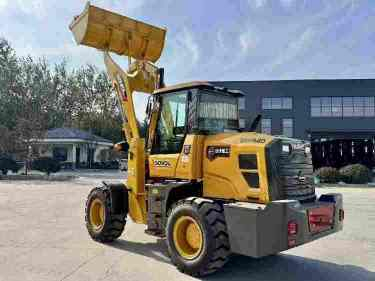
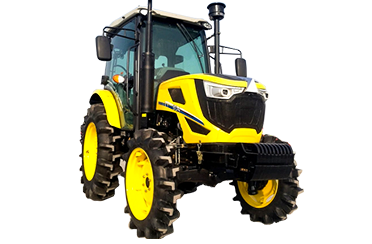
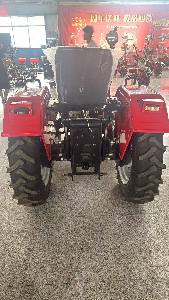
The core value of a high‑performance 4WD tractor lies in its full four‑wheel drive transmission system. Power transmits to all four wheels simultaneously, cutting wheel‑spin risks on wet clay, hilly slopes and loose sandy soil. Compared with two‑wheel‑drive alternatives, this wheel tractor maintains stable drawbar pull under heavy loads during deep ploughing, land preparation and transportation tasks.
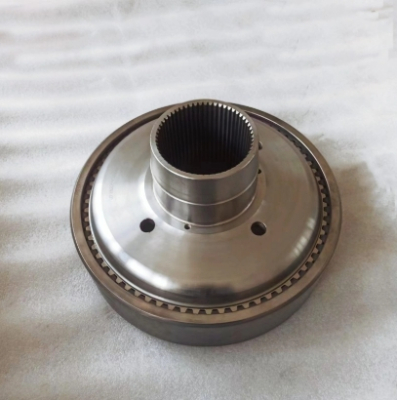
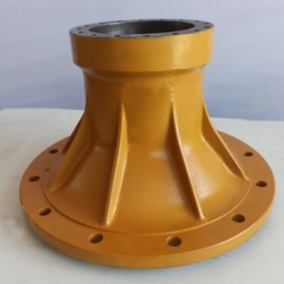
Manufacturers apply high‑strength cast steel for key chassis and drive‑train components during production. Each unit goes through assembly line testing for hydraulic systems, gearbox synchronization and PTO output before leaving the factory. Strict quality control procedures reduce early‑stage breakdown risk for end‑users operating in remote farm districts.
Optimized Hydraulics and Multi‑Implement Compatibility
Modern high‑performance 4WD wheel tractor platforms integrate heavy‑duty three‑point hitch and high‑flow hydraulic circuits. Strong lifting capacity allows operators to mount rotary tillers, disc harrows, planters and sprayers without extra modification. One single wheel tractor can complete plowing, sowing, inter‑row cultivation and harvesting auxiliary transport, improving asset utilization for farm investors.
Precision‑tuned engine torque curves guarantee steady power output under variable load. Well‑matched gear sets supply multiple forward‑reverse speed options, so operators can adjust travel speed according to soil conditions and different implement requirements. Such design directly lifts wheel tractor farm output by shortening field operation time windows during tight planting and harvesting seasons.
Operator‑Centered Design for Long‑Hour Field Work
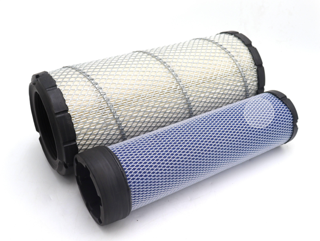
Extended working hours are common in peak farming seasons. Premium high‑performance 4WD tractor models adopt sealed, noise‑reduced cabins with excellent all‑round visibility. Ergonomic control layout lowers operator fatigue during continuous shifts. Reliable cooling and filtration systems extend engine service life and reduce frequency of maintenance stops in the field.
Real‑World Application Scenarios & Product Manufacturing Overview
A qualified high‑performance 4WD wheel tractor serves mixed‑crop farms, grain‑producing plantations, fruit orchards and agricultural contracting businesses. On large grain farms, the unit handles pre‑sowing soil preparation and post‑harvest material hauling. In hilly orchard zones, compact 4WD wheel tractor variants navigate narrow rows while driving heavy pruning and fertilization attachments.
During manufacturing, main frame components are cut, welded and stress‑relieved to resist vibration under continuous field shock loads. Engine assemblies are sourced to meet different regional emission standards. After full mechanical assembly, every wheel tractor undergoes load simulation testing, hydraulic function inspection and running‑in cycles. Export‑oriented units complete accessory matching, technical manual compilation and pre‑shipment quality checks before container loading for global destinations.
Buyers should match horsepower and hydraulic specifications to their local soil type, average farm plot size and the full list of farm implements they plan to deploy. Over‑specification increases capital waste; insufficient power will restrict wheel tractor farm output even under moderate working loads.
FAQ — Key Questions from International B2B Buyers
Q1: What core factors should I compare when sourcing a high‑performance 4WD tractor for resale or farm use?
A: Focus on rated horsepower, 4WD engagement mechanism, three‑point hitch lifting capacity, local emission certification status, spare‑parts supply channel and after‑sales support policy. Avoid judging quality by unit price alone; verify real‑world field test feedback from operators in similar agricultural regions.
Q2: Can one high‑performance 4WD wheel tractor work with multiple different farm implements?
A: Yes. Most standard high‑performance 4WD tractor units support a wide range of attachments via standard three‑point hitch and PTO interfaces. Confirm hitch category, PTO rotation speed and hydraulic flow parameters with your supplier to ensure compatibility with your existing or planned implements.
Q3: What documents are required when importing wheel tractor machinery for cross‑border B2B trade?
A: Basic trade documents include commercial invoice, packing list, bill of lading and certificate of origin. Certain territories enforce local safety or emission certification. Always confirm destination‑country compliance requirements before placing bulk orders, to prevent customs clearance delays.
Q4: How does a high‑performance 4WD wheel tractor improve wheel tractor farm output compared with 2WD models?
A: 4‑wheel drive minimizes wheel slippage in difficult soil conditions. Less slippage means more engine power converts into actual field work rather than wasted friction. Operators finish land preparation and planting tasks faster within optimal agronomic time windows, which stabilizes and raises overall farm yield potential.
Closing Outlook for Global Wheel Tractor Procurement
As global agriculture continues mechanization transformation, demand for durable, cost‑effective high‑performance 4WD tractor solutions will keep expanding. For B2B importers, distributors and large‑scale farm operators, choosing a well‑engineered wheel tractor is not only equipment purchasing, but an investment toward stable wheel tractor farm output and long‑term agricultural profitability.
Buyers are advised to communicate fully with suppliers about local working conditions, implement lists and certification requirements, to select configurations perfectly matched to target‑market demands.
**‑End‑**