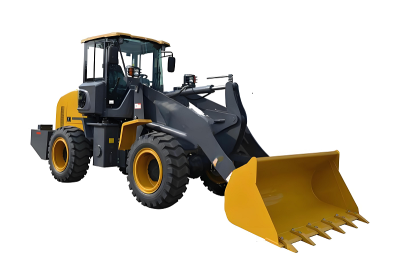
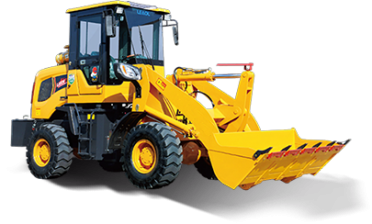

Cost‑Effective Wheel Loader Reduces Operating Costs for Contractors
Technical Design That Helps Cut Wheel Loader Operating Costs
Optimized Powertrain and Hydraulic System
A truly cost‑effective wheel loader does not merely rely on low sales price. Its core advantages come from well‑optimized powertrain and hydraulic configuration. Matched diesel engines deliver sufficient torque under heavy‑load conditions while lowering comprehensive fuel consumption. Advanced load‑sensing hydraulic systems adjust flow output according to actual working demands, avoiding unnecessary energy waste during material loading, stacking and site‑cleaning operations.
For wheel loader for contractors, working hours are usually intensive. Poorly‑matched power assemblies lead to excessive fuel burn and accelerated component wear. High‑quality cost‑effective models adopt reinforced drive axles, wear‑resistant hydraulic seals and heat‑dissipation structures. These designs reduce failure frequency, cut replacement frequency of vulnerable parts, and effectively control wheel loader operating costs over the whole service life cycle.
Manufacturing Standards Supporting Long‑Term Cost‑Saving Performance
The production process of a qualified export‑oriented wheel loader determines its later‑stage operating expenditure. Standard production starts with high‑strength steel cutting and frame welding. Key stress‑bearing components such as boom and bucket go through stress‑relief treatment to prevent deformation under repeated heavy‑load work. After engine, transmission and hydraulic components are assembled, manufacturers conduct static debugging, simulated load testing and site‑mimic running inspection. Units with abnormal noise, hydraulic leakage or unstable power output will be reworked before export packaging.
Factories targeting contractor customers also select general‑specification vulnerable parts with wide market availability. This enables local end‑users to source spare‑parts conveniently, avoiding long‑time equipment shutdown caused by hard‑to‑access special components. Such detail‑oriented manufacturing thinking helps wheel loader for contractors realize real cost control in actual jobsite operation.
Typical Jobsite Application Workflow
In real‑world scenarios, contractors deploy the wheel loader for earth‑moving, aggregate loading, stockpile management and site clearance. Operators check fuel level, tire condition and hydraulic pipeline status before starting work. After connecting compatible buckets or auxiliary attachments, the machine carries out continuous cyclic loading and transporting tasks. Fuel‑saving modes can be activated under medium‑load conditions to further restrain wheel loader operating costs. After daily work, routine inspection including oil check and filter cleaning can extend component service life and lower later‑stage repair investment.
Current Market Trends for Sourcing Cost‑Effective Wheel Loader
Three major trends are changing purchasing logic for international B2B buyers sourcing construction machinery.
First, buyers shift focus from single FOB price toward total‑cost‑of‑ownership. More importers and contractors realize that initial purchase cost is only part of investment; fuel consumption, maintenance expense and spare‑part accessibility decide real economic benefits. Therefore, cost‑effective wheel loader gains more market share compared with overly‑cheap low‑end equipment.
Second, multi‑scene adaptability becomes a vital assessment indicator. Wheel loader for contractors frequently switches among earthwork, quarry auxiliary work and municipal renovation projects. Models supporting quick‑change attachments can fulfill multiple task requirements, so contractors do not need to purchase several separate machines, further cutting comprehensive input.
Third, after‑sales support capacity becomes an important evaluation standard. When comparing suppliers, B2B buyers no longer only compare quotations. They attach great importance to whether suppliers can provide complete technical documents, accessible spare‑part packages and remote technical guidance, which is critical to stabilize wheel loader operating costs for overseas end‑users. Regions with booming infrastructure construction keep bringing stable market demand for such cost‑effective machinery.
FAQ for International B2B Buyers
Q1: What jobsite scenarios fit a cost‑effective wheel loader for contractors?
A: It applies to general construction sites, aggregate yards, municipal renovation projects and small‑scale quarry auxiliary material handling. It completes earth‑moving, stockpiling, truck‑loading and site cleaning tasks. For ultra‑heavy continuous mining workloads, buyers need to consider heavy‑duty enhanced versions.
Q2: Which parameters should I prioritize when evaluating wheel loader operating costs?
A: Focus on fuel consumption data, quality of wearing components including tires and bucket teeth, accessibility of spare‑parts, engine reliability and local‑market emission compliance. Avoid judging equipment purely by purchasing price.
Q3: Can a wheel loader for contractors work with multiple attachments?
A: Most standard cost‑effective wheel loader supports quick‑swap attachments such as general buckets, grapples and snow pushers. Please confirm interface specifications and compatibility with your supplier before bulk ordering.
Q4: What after‑sales support should I confirm with suppliers for export orders?
A: Confirm warranty scope for core components, spare‑part supply channels, operation and maintenance manuals in target‑market language, and online technical‑guidance services. Stable after‑sales service helps contractors reduce unexpected shutdown losses.
Conclusion
The Cost‑Effective Wheel Loader Reduces Operating Costs for Contractors through optimized power‑saving design, standardized manufacturing and reasonable spare‑part configuration. As cost‑control awareness rises among global project operators, the wheel loader for contractors with balanced performance and expenditure will maintain strong market competitiveness. For B2B purchasers, comprehensive assessment covering performance, manufacturing quality and after‑sales arrangement is essential, so as to deliver machinery that truly controls wheel loader operating costs for local contractor clients and build long‑term cooperative advantages in global construction‑equipment trade.