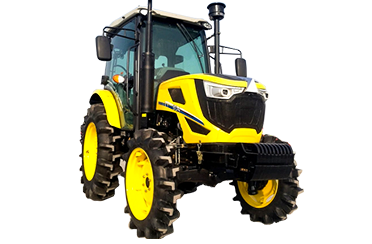

Wheel Tractor Delivers Reliable Field Performance
Core Technical Advantages Behind Wheel Tractor’s Stable Field Output
Power‑Transmission System for Continuous Heavy‑Duty Work
The outstanding performance of a qualified Wheel Tractor originates from its well‑matched power assembly and reinforced transmission structure. The diesel engine provides stable torque output under variable load conditions, adapting to fluctuating resistance from ploughing, soil turning and pulling heavy farm implements. Power is transferred through gearboxes, drive shafts and rear axles to drive wheels and PTO shafts, ensuring steady power supply even on uneven ground.
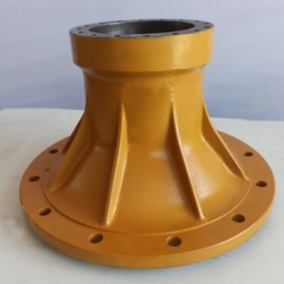
High‑quality agricultural wheel tractor adopts reinforced gear components and heat‑treated axle housings, which effectively reduce wear during long‑time field operations. Compared with entry‑level models, optimized cooling and lubrication systems avoid overheating during hot‑season non‑stop working, which is critical for end‑users in tropical and subtropical farming zones. As key agricultural field machinery, its whole‑machine configuration focuses on anti‑fatigue performance rather than simple parameter stacking.
Manufacturing Workflow Ensuring Field‑Worthy Reliability
The production process for a standard Wheel Tractor follows strict industrial quality control procedures. After frame welding and chassis processing, factories carry out pre‑assembly of engines, transmissions and hydraulic components on dedicated production stations. Every key component goes through inspection before entering final assembly. Once whole‑machine assembly finishes, manufacturers conduct static debugging, road testing and simulated field load tests. Engineers verify PTO output, hydraulic lifting stability, braking performance and gear‑shifting smoothness. Units with unqualified indicators will be reworked instead of entering export packaging.
This series of testing links helps agricultural wheel tractor avoid early‑stage failures after delivery. For export‑oriented models, factories also configure components complying with different regional emission standards, to satisfy regulatory requirements for agricultural field machinery in target importing countries.
Typical On‑Site Application Process
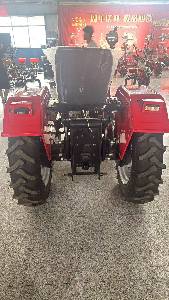
In real‑world farm scenarios, operators hook up matched farm implements to the rear hitch of the Wheel Tractor before field work. After checking oil level, tire pressure and connection status, they start the engine and select suitable gears according to soil hardness and working tasks. The machine can complete ploughing, rotary tillage, seeding or transportation continuously. When encountering complex terrain, four‑wheel‑drive versions enhance traction and prevent slipping. After finishing daily tasks, routine maintenance including oil replacement and filter cleaning further extends service life.
Current Market Trends for Global Wheel Tractor Sourcing
Three obvious trends are reshaping purchasing decisions for international B2B buyers looking for agricultural field machinery.
First, buyers pay more attention to comprehensive reliability rather than merely horsepower data. Many distributors reported that end‑users prefer mid‑power Wheel Tractor with stable performance, instead of high‑power models with poor durability. Breakdowns during planting or harvest seasons will bring huge economic losses for farmers, so field‑verified reliability becomes a decisive competitive point for agricultural wheel tractor.
Second, multi‑implement compatibility is highly valued. Importers tend to select tractors that support quick switching of ploughs, seeders, mowers and trailers. One machine can finish multiple farming tasks and lower total investment for farm clients.
Third, certification and spare‑parts supply capacity have become important assessment standards. Buyers no longer only compare FOB prices; they focus on whether suppliers can provide complete certification documents and stable spare‑part supply channels for after‑sales maintenance. Regions with rapidly‑growing small‑and‑medium‑scale farming keep bringing new market opportunities for qualified Wheel Tractor exporters.
FAQ for International B2B Buyers
Q1: What field conditions are suitable for a Wheel Tractor?
A: A standard Wheel Tractor adapts to flat and gently‑sloped farmland for ploughing, tillage, sowing and farm transportation. 4‑wheel‑drive versions improve traction on wet soil. For extremely muddy or steep mountain plots, buyers need to evaluate whether crawler‑type machinery is more appropriate.
Q2: What core specifications should I compare when sourcing an agricultural wheel tractor?
A: Focus on rated engine power, transmission structure, rear‑hitch lifting capacity, PTO parameters, tire configuration, local‑market emission certification, and supplier’s spare‑parts support plan. Match specifications to soil conditions and mainstream farming tasks in your target market.
Q3: Can one Wheel Tractor work with multiple different farm implements?
A: Most standard‑specification units support various matched implements including ploughs, rotary tillers, seeders and transport trailers. Please confirm hitch categories and PTO parameter compatibility with your supplier before bulk ordering.
Q4: What factors affect long‑term reliable performance of this agricultural field machinery?
A: Apart from original factory quality, regular maintenance, correct operation habits and using qualified spare‑parts greatly influence service life. Reliable suppliers should provide operation manuals and technical guidance for overseas clients.
Conclusion
The Wheel Tractor Delivers Reliable Field Performance through mature power‑transmission design, standardized manufacturing and strict factory testing. As one of the most practical agricultural wheel tractor options, it continues to occupy a core position in global farm‑equipment trade. For B2B purchasers, selecting suppliers with complete quality‑control systems and sound after‑sales arrangements will help deliver stable‑performing agricultural field machinery to local end‑users and build long‑term competitive advantages in the international market.