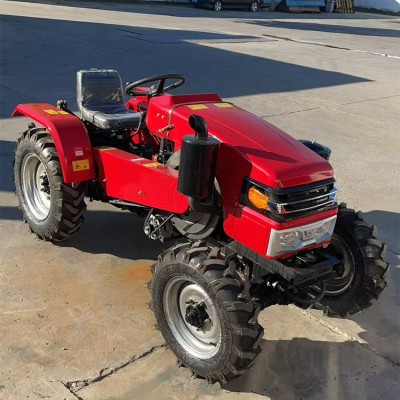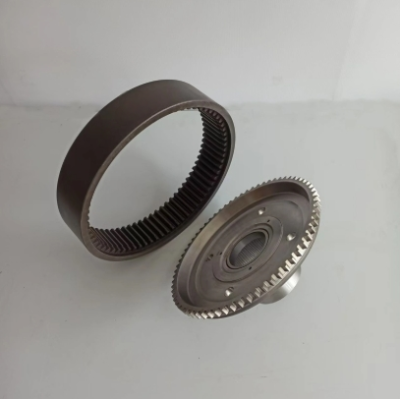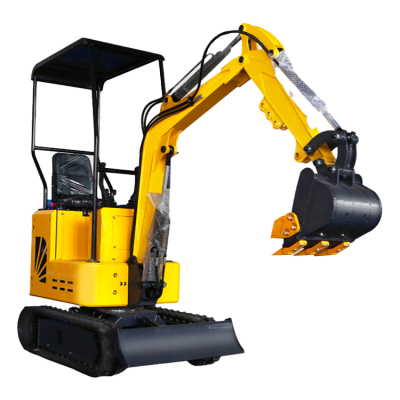

Riding Crawler Rotary Tiller Optimizes Soil Preparation
Core Technical Principles: How Riding Crawler Rotary Tiller Improves Soil Preparation
Tracked Chassis and Tilling Working Mechanism
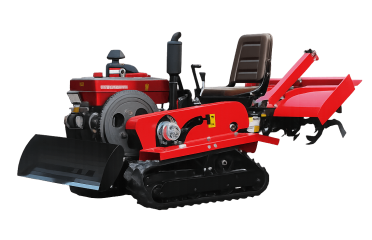
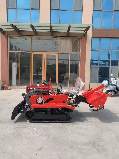
Unlike wheel‑driven tillers, the Riding Crawler Rotary Tiller relies on rubber crawler tracks to distribute machine weight across a larger contact surface. This greatly reduces sinking risk on wet, soft or waterlogged soil, a key advantage of a crawler tiller for soil preparation over wheel‑based counterparts.
Power output from the diesel engine transfers through reinforced transmission assemblies to two core units: the crawler travelling system and the rotary tillage assembly. High‑strength alloy steel blades rotate at controlled speed to break clods, mix crop residues into topsoil, remove surface weeds and level the seedbed in one pass. Properly adjusted tilling depth allows operators to complete soil aeration, crushing and soil mixing without repeated passes, directly raising overall field efficiency.
Manufacturing workflows for this agricultural rotary tiller follow standardized industrial procedures: heavy‑duty steel frame welding, track assembly installation, engine matching, transmission calibration, blade‑shaft dynamic testing and full‑machine field simulation before packaging for export. Quality‑focused factories conduct load‑condition tests to verify performance under sticky clay soil and sloped‑ground scenarios, ensuring stable output for end‑users in diverse agricultural zones.
Practical On‑Site Application Process
Field operation of the Riding Crawler Rotary Tiller follows a straightforward workflow. Operators start with depth adjustment according to local soil texture and planting requirements. Once parameters are set, the machine moves forward along planned rows while rotary blades work the ground. Thanks to the seated riding design, operators maintain better posture during long shifts compared with walk‑behind tillers. After completing one zone, the compact turning radius supports flexible direction change, ideal for narrow orchard rows and fragmented farmland. After finishing soil preparation tasks, operators can swap attachments for ditching, weeding or fertilizing functions to extend machine utility.
Key Market Trends Shaping Crawler‑Type Tillage Equipment
Two major trends are influencing purchasing decisions for international B2B buyers sourcing agricultural rotary tiller products. First, multi‑function integration is now expected. Buyers prefer machines that support quick‑change attachments instead of single‑purpose devices, lowering total equipment investment for farm operators. Second, terrain adaptability has become a primary selection criterion. Traditional wheel‑based tillers face high failure rates in hilly, wet or orchard environments; therefore demand for a robust crawler tiller for soil preparation keeps climbing in high‑growth agricultural markets.
Another notable trend is stricter emission‑standard compliance for exported machinery. Buyers from different regions require engines matching local emission regulations, so leading manufacturers provide configurable engine options for different target markets. Distributors also pay more attention to after‑sales support, spare‑parts availability and warranty terms when evaluating potential suppliers of the Riding Crawler Rotary Tiller.
Small‑scale farming contributes more than half of global rotary‑tiller market demand, which explains why compact‑power riding crawler models occupy fast‑growing market segments. Many medium‑sized importers focus on these models because they serve a large base of small‑holder farmers who cannot afford large heavy‑duty tractors.
FAQ for International B2B Buyers
Q1: What soil and terrain conditions suit the Riding Crawler Rotary Tiller best?
A: This machine performs excellently on hilly land, orchard ground, paddy fields and soft wet soil. Thanks to crawler low‑ground‑pressure design, it avoids sinking issues common for wheel‑type tillers. It works for dry‑land farming as well, though extremely hard compact soil may require pre‑loosening treatment.
Q2: What key specifications should I compare when sourcing a crawler tiller for soil preparation?
A: Focus on engine horsepower, maximum tilling depth and width, track material quality, transmission structure, emission certification and spare‑parts supply plans. Matched parameters should align with local farm plot sizes and soil characteristics of your target market.
Q3: Can this agricultural rotary tiller support multiple working attachments?
A: Most standard‑specification Riding Crawler Rotary Tiller units support quick‑swap attachments including ditching tools, weeding assemblies and fertilizer spreaders. Please confirm attachment compatibility with your supplier before placing bulk orders.
Q4: What about after‑sales and warranty support for export orders?
A: Reputable manufacturers normally offer 12‑month warranty for core components. As a B2B buyer, confirm spare‑part package options, documentation for customs clearance and technical‑guidance channels before shipment.
Conclusion
The Riding Crawler Rotary Tiller Optimizes Soil Preparation by combining stable tracked mobility, powerful rotary tillage performance and operator‑friendly riding‑style operation. As global agriculture continues pursuing labour‑saving mechanization, the crawler tiller for soil preparation will remain a competitive product for distributors targeting small‑scale farms, orchards and hilly‑region agricultural markets. When selecting suppliers, B2B purchasers should balance mechanical performance, certification compliance and after‑sales capability to deliver reliable equipment for local end‑users.