
Wheel Loader Market Expansion Benefits International Importers & Distributors
Industry Background: Global Infrastructure Boosts Wheel Loader Demand
Construction, mining, quarrying, material yards and agricultural land improvement form the major application scenarios for a wheel loader. The machine undertakes loading, stacking, earth‑moving and material handling tasks that would otherwise require large teams of manual workers or multiple separate machines.
Over recent years, emerging economies in Asia‑Pacific, Latin America, Africa and the Middle East have accelerated road construction, residential development and resource exploitation. These large‑scale projects directly raise consumption of heavy‑duty machinery. Meanwhile, mature markets in Europe and North America focus on equipment renewal, low‑emission upgrades and rental‑fleet expansion, generating steady replacement demand for wheel loader units.
Such multi‑source demand drives wheel loader market expansion. For international wheel loader importers and wheel loader distributors, diversified regional requirements create differentiated business possibilities: some markets prioritize heavy‑performance models, while others lean toward compact wheel loader variants for narrow urban workspaces. The shifting landscape reshapes competitive patterns within cross‑border construction‑equipment supply chains.
Global Market Data and Regional Trend Analysis
Overall Market Growth Outlook
Industry research shows the global wheel loader market maintains stable compound growth. Rising infrastructure spending in emerging regions serves as the primary growth engine, while modernization of old equipment supports sales within developed markets. Asia‑Pacific holds the largest market share, supported by massive infrastructure projects and local manufacturing capacity. Europe and North America demonstrate steady demand with strict requirements for emission standards and safety certifications. Latin America, Middle East and Africa represent high‑potential markets for **international wheel loader importers** and **wheel loader distributors**, where local equipment supply cannot fully satisfy fast‑growing project needs.
Wheel loader market expansion is also reflected in export volumes from Asian OEM manufacturers. Cost‑competitive, well‑equipped wheel loader units are increasingly accepted by overseas buyers, helping distributors enrich their product portfolios and expand local customer bases.
Key Market‑Shaping Drivers
Several core forces keep propelling the wheel loader business forward:
1. Continuous infrastructure spending in developing countries generates consistent new‑machine orders.
2. Equipment replacement cycles in mature markets increase demand for low‑emission upgraded wheel loader models.
3. Improved cross‑border logistics and mature OEM‑supported after‑sales systems reduce operational risks for international wheel loader importers.
4. Multi‑attachment compatibility broadens application boundaries and raises profit margins for wheel loader distributors.
Technical Profile, Manufacturing and Field Application of Wheel Loader
Core Technical Features and Manufacturing Process
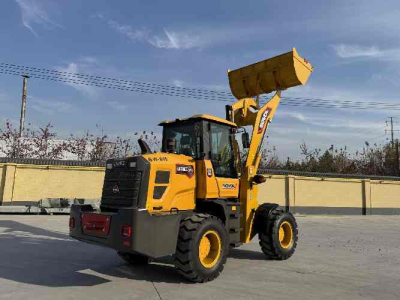
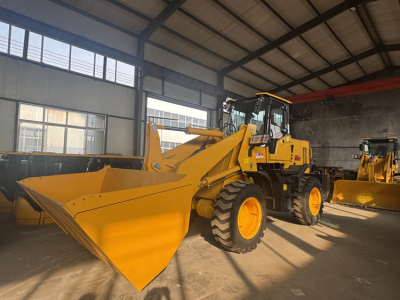
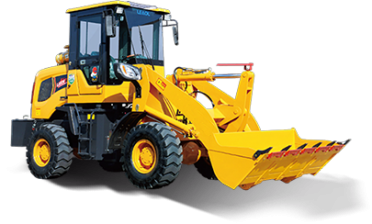
A standard wheel loader consists of chassis, turbocharged engine, hydraulic drive system, articulated frame, loading bucket, operator cabin and multi‑functional control components. Major production factories follow standardized manufacturing workflows: raw‑material cutting and welding of structural frames, assembly of powertrain and hydraulic modules, cabin installation, complete‑machine performance testing and final quality inspection before shipment.
Critical high‑stress parts such as boom, bucket and hinge joints adopt high‑strength alloy steel to resist impact and abrasion during continuous site operation. Many Chinese OEM factories support flexible configuration for bulk B2B orders. Buyers can select different bucket capacities, engine emission tiers and quick‑change attachment interfaces according to local regulatory standards and job‑site conditions. Custom paint colours and brand logo printing are also available for large‑volume orders. ROPS‑FOPS safety cabins are widely equipped to protect operators in complex working environments.
Typical Application Workflow on Site
On‑site operation of a wheel loader covers multiple frequent workflows. Operators drive the machine to scoop soil, gravel, construction debris or mineral materials with the front bucket, lift materials to designated height and load them onto trucks or stack them within storage yards. By swapping attachments, the same wheel loader can handle snow removal, pallet handling and rock‑clearing assignments.
From large mining sites and quarry yards to urban building sites and farm material‑handling yards, the wheel loader delivers high throughput and cuts overall project labour costs. This wide‑ranging usability explains why wheel loader market expansion brings sustained sales potential for wheel loader distributors serving diverse end‑user groups.
Key Trade Trends for International Importers & Distributors
Wheel loader market expansion brings new challenges alongside business opportunities for international wheel loader importers and wheel loader distributors. Three noticeable trends deserve close attention from B2B buyers.
First, emission compliance becomes a non‑negotiable factor. Regions including Europe and North America enforce strict engine‑emission regulations. Distributors must verify Stage V or Tier 4 compliant units to avoid customs hold‑ups. Emerging markets gradually raise emission requirements as well, pushing suppliers to adjust product specifications accordingly.
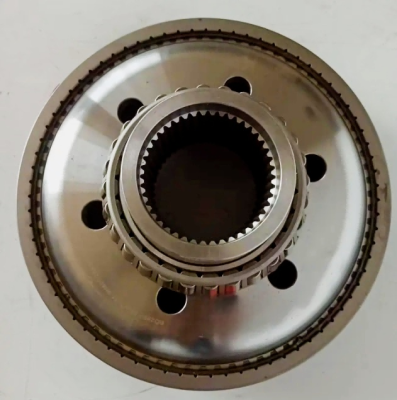
Second, spare‑parts availability and after‑sales support turn into core competitive advantages. End‑users prefer suppliers that guarantee accessible spare‑part supplies and clear warranty terms. Many wheel loader distributors improve local market competitiveness by stocking key wearing parts together with main‑machine inventory.
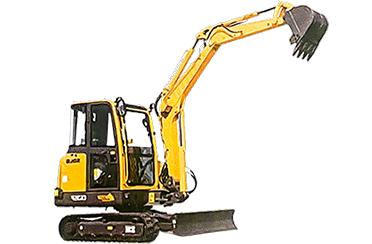
Third, multi‑function and compact‑model sales keep rising. Compact wheel loader versions gain popularity in urban construction, landscaping and small‑scale material‑handling projects. Multi‑attachment‑ready machines improve end‑user stickiness and raise profit space for local resellers.
FAQ for International B2B Buyers
Q1: What essential certifications should importers verify before importing a wheel loader?
A: For EU territories, CE certification together with Stage V engine documentation is mandatory. North‑American markets require EPA Tier 4 compliance. ROPS‑FOPS cabin safety certificates and ISO quality documents are also important supporting files. Importers should obtain full certification copies from suppliers before placing bulk orders to prevent customs clearance risks.
Q2: What factors should wheel loader distributors evaluate when selecting an OEM partner?
A: Apart from unit price, distributors need to assess product reliability, configurable options, documentation quality, spare‑part supply capacity, warranty policy and minimum‑order requirements. Reliable OEMs provide English‑language operation and maintenance manuals and stable lead‑time commitments.
Q3: Which wheel loader models suit fast‑growing emerging markets?
A: For most emerging‑market projects, durable mid‑size wheel loader models with easy‑maintenance engines are widely welcomed. Compact wheel loader variants fit urban and limited‑space worksites. It is recommended that international wheel loader importers analyse local project types and end‑user spending power before finalizing product specifications.
Q4: What extra costs should be considered in total procurement budgets?
A: Besides FOB machine price, buyers need to calculate ocean freight, insurance, import duties, inland transportation, port‑handling charges and spare‑part stocking costs. Oversized units may incur special shipping fees, which should be confirmed at the quotation phase.
Conclusion
Driven by global infrastructure construction and equipment‑upgrading demands, wheel loader market expansion continues to create promising business prospects for international wheel loader importers and wheel loader distributors. The wheel loader, as a high‑utility heavy‑duty machine, maintains stable cross‑border trade volume across construction, mining and material‑handling sectors.
For B2B trade partners, success depends not only on competitive product pricing but also on full understanding of regional compliance rules, technical configuration and after‑sales supply chains. With continuous technical iteration of construction machinery and maturing global supply networks, the wheel loader trade will keep offering valuable growth opportunities for global B2B participants.