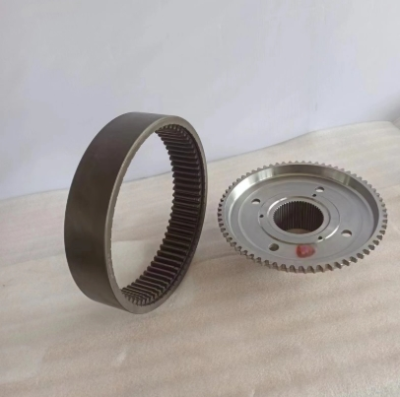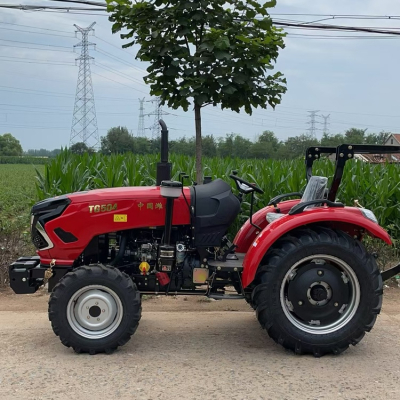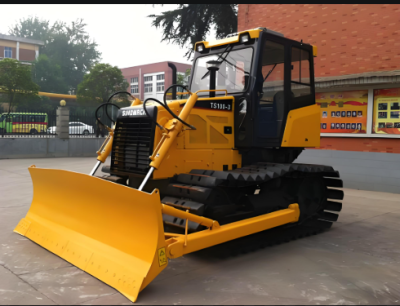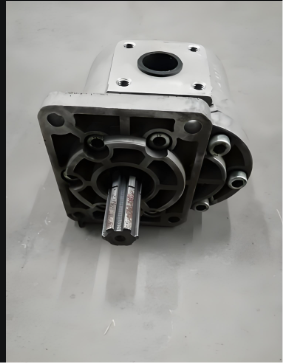
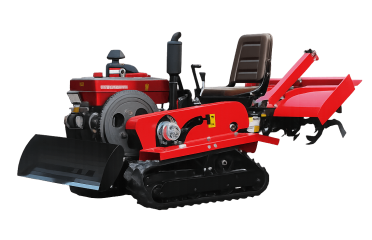
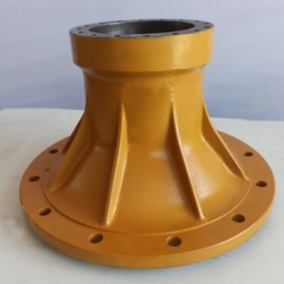

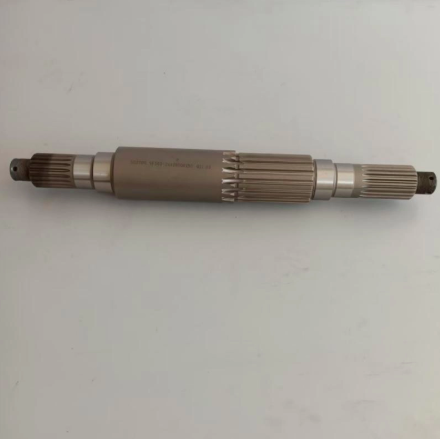
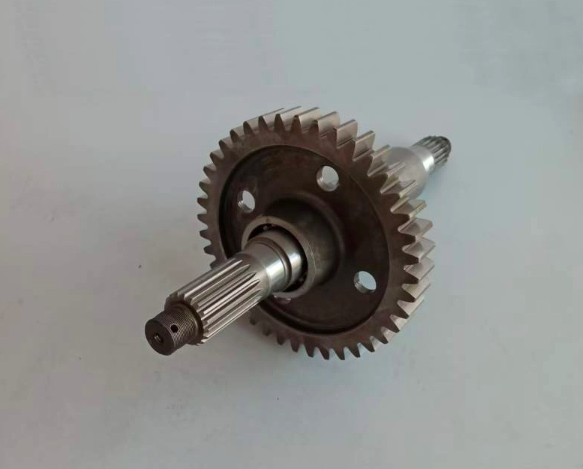
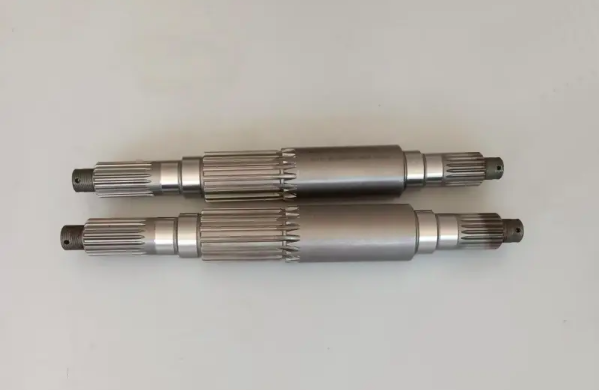
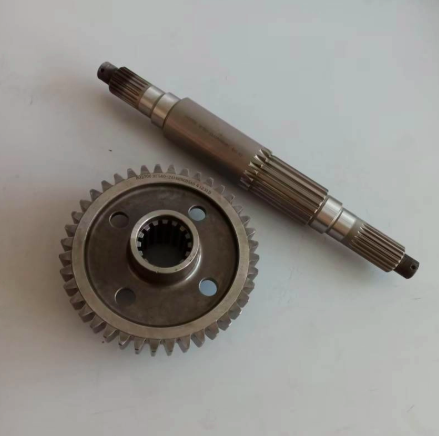
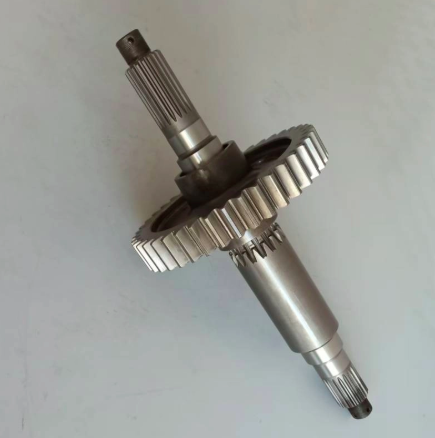
China Loader Main Drive Assembly
1. Original quality parts, host supporting products.
2. Adopting high quality steel, wear-resisting and anti-manufacturing, prolonging the use of time.
3. Smooth running, low noise, high reliability.
4. Factory shop, support processing customization.
5. Affordable price, quality assurance.
6. Factory storage, delivery, transport, convenient and quick.
Product Details
Characteristics of the loader main drive assembly
1. Structural composition
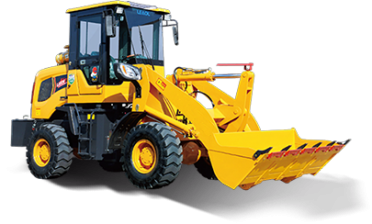
The main transmission assembly of a loader usually consists of a hydraulic torque converter, gearbox, drive axle, and wheel reducer. The hydraulic torque converter transmits power through a liquid medium to achieve continuously variable transmission; The gearbox is responsible for gear shifting, the drive axle transmits power to the wheels, and the wheel reducers further amplify torque.
2. Advantages of hydraulic transmission
Automatic adaptability: The hydraulic torque converter can automatically adjust the traction and driving speed according to external resistance, avoiding engine stalling.
Vibration reduction and isolation: Liquid media can absorb the vibration and impact of the engine and load, protect the transmission system, and extend its service life.
Strong passability: The loader can drive on soft roads such as mud and sand, with good low-speed stability.
Packaging requirements
1. Selection of protective materials
Buffer layer: high-density foam is used inside to wrap the transmission assembly, so as to avoid displacement or collision of components caused by transportation vibration.
Fixed layer: Customized cardboard boxes are added externally, and the strength of the cardboard boxes must meet the transportation standards of heavy machinery to prevent compression deformation.
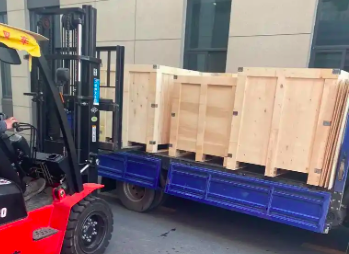
Reinforcement layer: sandwiching wooden boards outside the cardboard box to enhance overall compressive strength and adapt to complex working conditions of long-distance sea or land transportation.
2. Size and weight restrictions
The external dimensions of the packaging must comply with international transportation unit requirements (such as container and pallet standards) to ensure loading and unloading efficiency.
Strictly control the total weight to avoid increased transportation costs or safety hazards caused by overweight.
3. Center of gravity and fixation
Clearly mark the center of gravity of the product and use specialized fixing devices (such as straps, brackets) to secure the transmission assembly inside the packaging.
Design anti slip structures to address inertial impacts during start-up and braking, ensuring component stability during transportation.
Leave your messages