
How to Choose the Right Wheel Loader
Industry Background and Market Context
Global Market Overview
The global wheel loader market was valued at approximately USD 18.5 billion in 2025 and is expected to reach USD 24.3 billion by 2030, representing a CAGR of 5.6%. This growth is driven by increasing infrastructure investment, urbanization in emerging economies, and the expansion of mining and agricultural sectors worldwide. As demand rises, the variety of wheel loader models, configurations, and manufacturers has grown significantly, making the selection process more complex than ever.
Why the Right Choice Matters
A mismatched wheel loader can lead to increased fuel consumption, premature component wear, reduced productivity, and higher operating costs. Conversely, a well-selected machine optimizes cycle times, minimizes downtime, and delivers a lower total cost of ownership over its service life. This underscores the importance of a structured Wheel Loader Buying Guide approach rather than relying solely on price or brand recognition.
Key Selection Criteria
Operating Capacity and Bucket Size
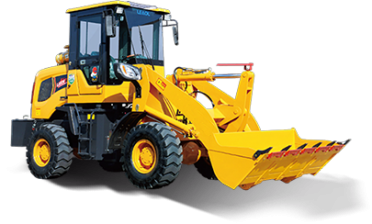
One of the first considerations when choosing a wheel loader is rated operating capacity, typically measured in tons. Compact models (1–3 tons) suit light-duty tasks such as landscaping, material handling in confined yards, and small construction sites. Mid-range loaders (4–6 tons) are the most versatile, commonly used as a Wheel Loader for Construction handling aggregate, soil, and debris. Large loaders (7–12 tons) are designed for heavy-duty mining, quarrying, and large-scale earthmoving projects. Bucket capacity should be matched to material density—lighter materials like wood chips require larger buckets, while dense materials like gravel need smaller, heavier-rated buckets.
Application Environment and Terrain
The operating environment significantly influences machine selection. For rough, uneven terrain typical of mining and quarry sites, a wheel loader with heavy-duty axles, reinforced structural components, and excellent ground clearance is essential. Urban construction sites with space constraints may require compact or articulated models with tight turning radii. Coastal or humid environments demand enhanced corrosion protection, while cold-climate operations require cold-start packages, heated hydraulic systems, and specialized lubricants.
Powertrain and Transmission Options
Modern wheel loader models offer various powertrain configurations. Traditional torque converter transmissions with multiple forward and reverse gears remain popular for heavy-duty applications due to their durability and ability to handle high torque loads. Hydrostatic transmissions, increasingly common in mid-range and compact models, provide precise control, improved fuel efficiency, and smoother operation. Engine choice should consider emission regulations in the target region—Tier 4 Final or Stage V compliant engines are required for North America and Europe, while Tier 2 or Tier 3 engines may suffice for emerging markets.
Technological Features to Evaluate
Hydraulic System Performance
The hydraulic system is the heart of any wheel loader, governing lifting capacity, cycle speed, and attachment compatibility. Load-sensing hydraulic systems automatically adjust flow and pressure based on demand, improving efficiency and reducing fuel consumption. Parallel lift or Z-bar linkage configurations offer different advantages—Z-bar provides higher breakout force for digging, while parallel lift maintains bucket level during lifting, ideal for pallet fork operations. Buyers should evaluate hydraulic cycle times (raise, dump, lower) under load conditions to ensure they meet productivity requirements.
Operator Comfort and Safety Features
A comfortable operator is a productive operator. Modern wheel loader cabs feature ROPS/FOPS certification, ergonomic seating, climate control, reduced noise levels (typically below 75 dB), and intuitive control layouts. Joystick controls with proportional functions reduce operator fatigue during long shifts. Advanced safety features may include rearview cameras, 360-degree camera systems, proximity sensors, automatic braking, and telematics-based monitoring. These features not only protect operators but also reduce the risk of worksite accidents and associated costs.
Telematics and Digital Integration
IoT-enabled telematics systems have become standard offerings from leading manufacturers. These systems provide real-time data on machine location, operating hours, fuel consumption, engine performance, and maintenance alerts. For fleet managers, this data enables proactive maintenance scheduling, fuel theft prevention, operator performance analysis, and optimized fleet utilization. When selecting a Wheel Loader for Construction, consider whether the telematics platform integrates with your existing fleet management software and whether data access requires ongoing subscription fees.
Manufacturing Quality and Supplier Evaluation
Assessing Build Quality
The durability of a wheel loader depends heavily on manufacturing quality. Key structural components—chassis frames, loader arms, and buckets—should be constructed from high-strength steel with robust welding. Automated robotic welding lines produce more consistent and reliable welds than manual welding. Heavy-duty pins and bushings with hardened surfaces extend service life. Buyers should request information on component suppliers—premium manufacturers often use Cummins or Deutz engines, ZF or Dana transmissions, and Kawasaki or Rexroth hydraulic pumps, ensuring parts availability and proven reliability.
Evaluating After-Sales Support
The quality of after-sales support can make or break the ownership experience. Before committing to a purchase, verify that the manufacturer or dealer maintains a parts warehouse in your region, offers reasonable warranty terms (typically 12 months or 2,000 hours), and provides technical training for your maintenance staff. A reliable Wheel Loader Buying Guide always emphasizes total cost of ownership—including parts pricing, maintenance intervals, and expected component lifespans—rather than focusing solely on the initial purchase price.
FAQ
Q1: What size wheel loader do I need for general construction projects?
A: For most general construction applications, a mid-range Wheel Loader for Construction with 3–5 ton operating capacity and 1.5–2.5 cubic meter bucket capacity is sufficient. These machines balance maneuverability with productivity, handling typical tasks such as loading trucks, moving aggregate, and site clearing. For larger projects involving heavy materials or high-volume loading, consider 6–8 ton models.
Q2: Should I buy a new or used wheel loader?
A: The decision depends on your budget, usage intensity, and risk tolerance. New wheel loader units offer full warranty coverage, latest technology, fuel efficiency, and predictable performance—ideal for high-utilization operations (1,500+ hours annually). Used machines can offer significant cost savings for lower-utilization scenarios but require thorough inspection of engine hours, hydraulic system condition, structural integrity, and maintenance history. Always request service records and consider a third-party inspection when purchasing used equipment.
Q3: How important is brand reputation when choosing a wheel loader?
A: Brand reputation is a useful indicator but should not be the sole deciding factor. Established brands typically offer better parts availability, larger dealer networks, and proven reliability. However, many lesser-known manufacturers produce high-quality machines at lower price points, especially in the mid-range segment. The key is to verify manufacturing capabilities, component sourcing, certification status, and after-sales infrastructure regardless of brand name.
Q4: What is the expected lifespan of a wheel loader?
A: A well-maintained wheel loader from a reputable manufacturer typically delivers 10,000–15,000 operating hours before requiring a major overhaul, with a total service life of 15,000–20,000 hours possible with proper care. Factors affecting lifespan include operating environment (dust, humidity, temperature), maintenance discipline, operator skill, and application intensity. Machines operating in dusty mining environments may require more frequent filter changes and shorter service intervals compared to those in clean material handling yards.