
Mini Excavator Market Trends, Technology, and Sourcing Guide for Global Buyers
The global mini excavator market has experienced strong and sustained growth over the past decade. As urban construction expands, labor costs rise, and contractors seek more versatile equipment, the mini excavator has become one of the most in-demand machines in the compact construction equipment industry.
For distributors, importers, rental companies, and engineering contractors, the mini excavator offers a highly profitable product category with broad application potential. Whether used for trenching, landscaping, demolition, or agricultural work, a mini excavator combines compact size, efficient performance, and low operating costs.
This article explores the latest mini excavator market trends, technical specifications, manufacturing processes, and practical sourcing advice to help international B2B buyers make informed purchasing decisions.
Global Mini Excavator Market Overview
The worldwide mini excavator market is projected to maintain steady growth as governments and private companies continue investing in infrastructure, utilities, and residential development.
Several factors are driving demand for mini excavators:
· Expansion of urban infrastructure projects
· Increased use of compact equipment in confined spaces
· Growing popularity of equipment rental businesses
· Mechanization in agriculture and landscaping
· Rising labor costs in developed and emerging markets
Mini excavators are particularly popular in North America, Europe, Australia, Southeast Asia, South America, and the Middle East.
Machines ranging from 1 ton to 3 tons account for a significant share of global demand due to their transportability and versatility.
Why the Mini Excavator Is Essential for Modern Construction
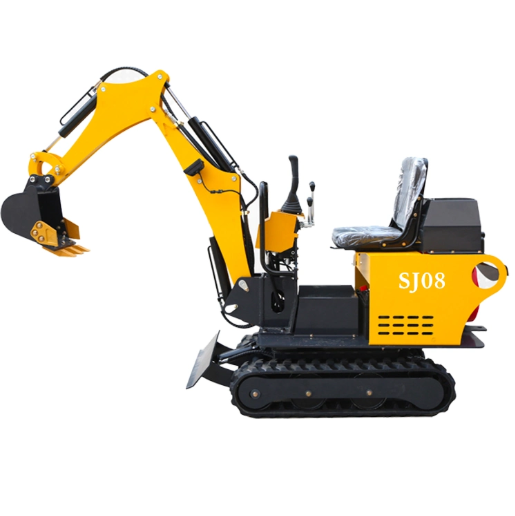
A mini excavator delivers the digging power of a larger excavator while maintaining a compact footprint. This makes it ideal for jobsites where access is limited and maneuverability is critical.
Compared with larger excavators, a mini excavator offers:
· Lower fuel consumption
· Reduced transportation costs
· Minimal ground disturbance
· Easier operation
· Lower maintenance expenses
· Greater attachment flexibility
These advantages make the mini excavator a preferred choice for contractors seeking efficient and cost-effective solutions.
Main Applications of a Mini Excavator
The mini excavator is used across a wide range of industries.
Construction and Utility Installation
A mini excavator is ideal for:
· Foundation excavation
· Cable trenching
· Water pipe installation
· Site preparation
Landscaping and Gardening
Landscaping professionals use mini excavators for:
· Tree planting
· Pond excavation
· Drainage work
· Soil grading
Agriculture and Farm Maintenance
Farm operators rely on mini excavators for:
· Irrigation trenching
· Fence installation
· Manure handling
· Land clearing
Municipal Maintenance
Local governments use mini excavators for sidewalk repairs, drainage cleaning, and urban utility maintenance.
Demolition and Renovation
The mini excavator is highly effective in indoor demolition and confined renovation projects.
Popular Mini Excavator Sizes and Market Demand
1 Ton Mini Excavator
The 1 ton mini excavator is one of the most popular entry-level models. It is easy to transport and suitable for residential and light commercial work.
1.5 Ton Mini Excavator
A 1.5 ton mini excavator offers improved digging depth and greater stability while remaining highly compact.
2 Ton Mini Excavator
The 2 ton mini excavator is widely used by professional contractors and rental fleets because it balances performance and transport convenience.
3 Ton Mini Excavator
The 3 ton mini excavator provides stronger breakout force, deeper digging capability, and higher lifting capacity.
Key Technical Features of a Mini Excavator
When evaluating a mini excavator, buyers should carefully review technical specifications.
Engine Performance
The engine determines the machine's power output and fuel efficiency.
Important considerations include:
· Rated horsepower
· Fuel type
· Emission compliance
· Cooling system design
A reliable engine ensures stable operation and longer service life.
Hydraulic System
The hydraulic system is the core of every mini excavator.
Key features include:
· Pilot controls
· Auxiliary hydraulic lines
· Hydraulic quick coupler compatibility
· Adjustable flow settings
A high-quality hydraulic system improves digging precision and supports multiple attachments.
Digging Depth and Reach
Typical digging depths for mini excavators range from approximately 1.6 to 3.0 meters.
Buyers should select a mini excavator based on application requirements.
Operating Weight
The operating weight of a mini excavator affects:
· Stability
· Transport requirements
· Ground pressure
· Lifting capacity
Track System
Rubber tracks are commonly used to reduce surface damage and improve traction.
Swing and Boom Design
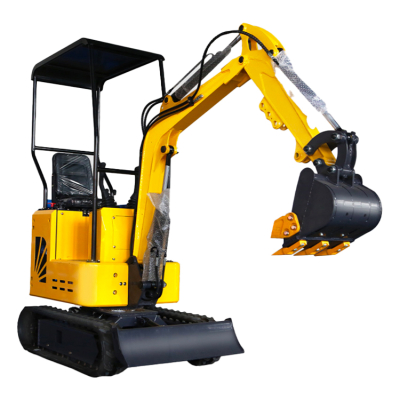
Features such as zero-tail swing and boom offset allow a mini excavator to work safely in narrow spaces.
Mini Excavator Attachments and Versatility
One major advantage of the mini excavator is attachment compatibility.
Popular attachments include:
· Hydraulic breaker
· Auger
· Grapple
· Ripper
· Trenching bucket
· Hydraulic thumb
With the right attachments, a mini excavator can perform dozens of tasks with one machine.
Manufacturing Process of a Mini Excavator
Understanding how a mini excavator is manufactured helps buyers evaluate product quality.
Steel Cutting and Fabrication
High-strength steel plates are laser-cut and formed into frames, booms, and arms.
Robotic Welding
Automated welding ensures consistent structural strength and dimensional accuracy.
Precision Machining
Pins, bushings, and critical mounting surfaces are processed using CNC equipment.
Hydraulic Assembly
Hydraulic pumps, valves, cylinders, and hoses are installed and pressure-tested.
Electrical Installation
The wiring harness, control systems, and monitoring instruments are integrated.
Painting and Surface Protection
Components receive anti-corrosion treatment and durable paint coatings.
Final Assembly and Testing
Each mini excavator undergoes:
· Hydraulic pressure testing
· Travel testing
· Swing testing
· Digging performance verification
· Safety inspection
These procedures help ensure consistent quality and reliability.
Quality Control Standards for Mini Excavators
Reliable manufacturers implement strict quality control throughout production.
Typical inspection procedures include:
· Raw material verification
· Weld inspection
· Dimensional measurement
· Hydraulic leak testing
· Functional testing
Many exporters also provide:
· Inspection reports
· Test videos
· Packaging photos
· Spare parts lists
Mini Excavator Market Trends in 2026 and Beyond
Growing Rental Market
Rental companies continue expanding their compact equipment fleets, increasing demand for durable mini excavators.
Demand for Low-Emission Equipment
Many markets require environmentally compliant machinery, making efficient engine design increasingly important.
Smart Monitoring Systems
Digital displays and maintenance reminders are becoming standard on modern mini excavators.
Customization and OEM Services
Importers increasingly request custom branding, attachments, and market-specific configurations.
Electric Mini Excavator Development
Battery-powered mini excavators are gaining attention for indoor and low-noise applications.
What B2B Buyers Should Consider When Sourcing a Mini Excavator
When selecting a mini excavator supplier, buyers should evaluate:
· Manufacturing capacity
· Quality control procedures
· Export experience
· Product certifications
· OEM and private label services
· Warranty policy
· Spare parts availability
· Technical support response time
A dependable supplier should offer transparent documentation and consistent communication.
Packaging and Shipping of a Mini Excavator
A mini excavator is typically shipped by sea in containers.
Common shipping methods include:
· Fully assembled units
· Partially disassembled units to maximize container loading
· Steel frame reinforcement for protection
Professional packaging reduces transportation damage and lowers logistics costs.
Business Opportunities for Importers and Distributors
The mini excavator is a strong product category for equipment dealers.
Advantages include:
· Broad customer base
· High repeat demand
· Attractive profit margins
· Additional revenue from attachments and spare parts
Target customers include:
· Contractors
· Landscapers
· Farmers
· Rental companies
· Municipal agencies
FAQ: Mini Excavator Buying Questions
What is the most popular mini excavator size?
The 1.5 ton to 2 ton mini excavator is the most popular because it offers excellent balance between power, compactness, and transportation convenience.
Can a mini excavator use multiple attachments?
Yes. Most mini excavators support breakers, augers, grapples, thumbs, and trenching buckets.
How important is after-sales service?
Very important. Fast spare parts delivery and technical support reduce downtime and improve customer satisfaction.
What certifications should buyers request?
Depending on the target market, buyers may request product certifications, inspection reports, and compliance documents.
Conclusion
The mini excavator has become one of the most important machines in compact construction equipment. Its small footprint, low operating cost, and outstanding versatility make it an ideal solution for contractors, farmers, and rental companies worldwide.
For global B2B buyers, choosing the right mini excavator involves evaluating technical specifications, manufacturing quality, supplier reliability, and after-sales support.
As infrastructure development and mechanization continue worldwide, the mini excavator market offers significant opportunities for importers, distributors, and equipment dealers seeking long-term business growth.