The global
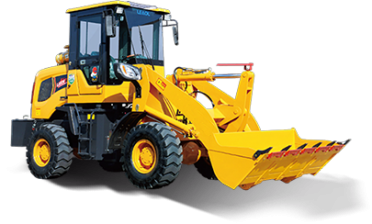
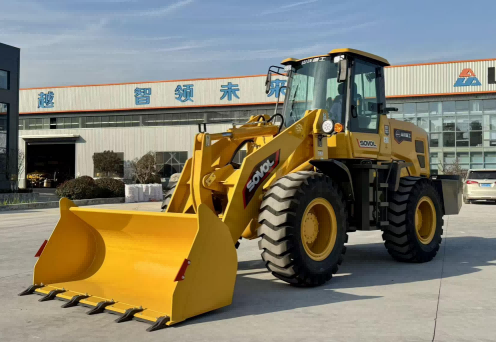
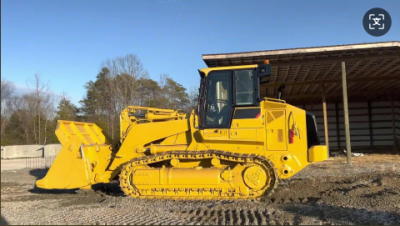
construction machinery sector maintains steady expansion, and wheel loaders stand out as indispensable core equipment for material handling, earthmoving and site operation. Driven by large-scale infrastructure renovation, urbanization progress, mining resource exploitation and agricultural mechanization worldwide, the demand for reliable and high-performance wheel loaders keeps climbing sharply.
Latest industrial market data shows that the global wheel
loader market reached approximately USD 15.5 billion in 2025. Supported by continuous investment in emerging economies’ construction projects, the market scale is predicted to hit USD 22.9 billion by 2035, with a compound annual growth rate of 4.0% during the forecast period. Geographically, the Asia-Pacific region occupies over 46.4% of the global market share, becoming the largest consumption and manufacturing base of wheel loaders. Europe, North America, Middle East and Africa also present robust purchasing demand for durable wheel loaders.
Traditional old-fashioned loaders face obvious drawbacks including high fuel consumption, slow operation response, single working mode and poor adaptability to harsh working conditions. To cope with fierce market competition and stricter emission regulations, mainstream manufacturers accelerate technological iteration. Modern wheel loaders successfully break performance limits and unlock brand-new high-efficiency construction experience, perfectly matching diversified operational demands of global engineering projects.
2. Core Driving Trends Reshaping Modern Wheel Loader Industry
2.1 Intelligence & Automatic Operation Become Mainstream Development Direction
Intelligent upgrading has become the key competitive point of new-generation wheel loaders. Advanced intelligent control systems, automatic bucket filling, real-time load monitoring and remote diagnosis functions are widely equipped on new wheel loaders. Partial high-end models support semi-automatic and autonomous driving operation, which effectively reduces manual operation errors and labor intensity. In repetitive loading and dangerous zone working scenarios, intelligent wheel loaders stabilize working efficiency and greatly improve overall site safety level.
2.2 Energy-saving & Low-carbon Technology Optimize Operational Cost
Against the global carbon neutral background, energy-saving and eco-friendly wheel loaders gain growing popularity among B2B buyers. Hybrid power, pure electric drive and brake energy recovery technologies are fully applied. Compared with conventional diesel wheel loaders, upgraded energy-saving wheel loaders cut fuel consumption by 12% to 15% under equal working loads. Low emission design complies with international environmental protection standards, allowing flexible operation in urban construction, port and enclosed working sites.
2.3 Multi-scenario Adaptability Expands Application Boundaries
Modern wheel loaders realize flexible switching of multiple working modes. By replacing auxiliary attachments such as grab bucket, snow shovel and breaking hammer, one single
wheel loader can finish loading, leveling, stacking, snow removal and bulk material handling tasks. Strong chassis stability and rugged body structure enable wheel loaders to adapt to muddy, rocky, high-temperature and low-temperature severe working environments, covering construction, mining, agriculture, forestry, waste disposal and port logistics industries.
3. Advanced Technical Advantages of High-efficiency Wheel Loaders
New-generation wheel loaders integrate optimized power system, hydraulic transmission and humanized design, comprehensively lifting construction efficiency and operational stability.
First of all, the upgraded power assembly delivers strong and steady output. Matched with optimized load-sensing hydraulic system, the wheel loader realizes sensitive and smooth action response, shortening single loading cycle time and boosting daily material handling volume remarkably. Independent gear shifting structure ensures no power loss during operation, maximizing working output per unit time.
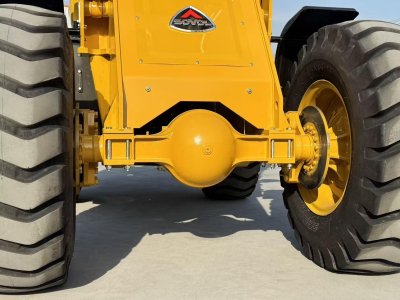
Secondly, durable manufacturing quality guarantees long-term continuous operation. Key load-bearing parts adopt high-strength wear-resistant steel material, undergoing precise welding and anti-corrosion treatment. Reinforced axle and thickened bucket effectively resist impact and abrasion from heavy materials, lowering frequent maintenance downtime and prolonging service life of wheel loaders.
In terms of driving experience and safety, the fully enclosed shock-absorbing cab adopts ergonomic layout. Wide visual angle, shock absorption seat and intelligent monitoring dashboard help operators grasp machine status and site conditions in real time. Multiple safety protection configurations avoid sudden faults during high-intensity construction, creating stable and reliable high-efficiency construction experience for users.

4. Wide Application Scenarios of High-performance Wheel Loaders
High-efficiency wheel loaders serve as all-around working equipment, widely applied in various global engineering fields.
Urban & Road Construction: Complete site clearing, soil stacking, gravel loading and road surface leveling work, speeding up infrastructure construction progress.
Mining & Quarry Operation: Load ores, feed crushing equipment and stockpile raw materials, adapting to heavy-load and high-frequency mining work.
Agriculture & Forestry: Handle grain, hay and wood materials, assist farmland renovation and forestry transportation work.
Port & Waste Management: Realize rapid loading and transfer of bulk goods, classify and stack construction garbage and recyclable waste.
No matter small-scale scattered operation or large-scale centralized engineering construction, flexible and powerful wheel loaders can effectively shorten project period and reduce comprehensive construction cost.
5. FAQ: Common Questions from Global Wheel Loader Buyers
Q1: What factors determine the working efficiency of wheel loaders?
A: Core factors include engine power, hydraulic system response, bucket capacity and intelligent control level. Meanwhile, body durability and matching degree with actual working scenarios also directly influence long-term construction efficiency.
Q2: Are energy-saving wheel loaders suitable for long-distance and heavy-load operation?
A: Yes. Hybrid and optimized diesel energy-saving wheel loaders keep stable power output under heavy-load conditions. They reduce energy consumption without sacrificing working performance, ideal for all-day continuous heavy construction tasks.
Q3: How to select matched wheel loader model according to project demands?
A: Confirm daily material handling volume, working site terrain and material types first. Choose compact wheel loaders for narrow space operation, and heavy large-tonnage wheel loaders for mining and large-scale earthmoving projects.
Q4: What after-sales support can buyers obtain for exported wheel loaders?
A: Qualified suppliers provide global spare parts supply, remote technical debugging and regular maintenance guidance. Professional overseas service teams offer timely fault handling to ensure uninterrupted construction of wheel loaders.
6. Prospect: Wheel Loaders Lead Future Efficient Construction Development
With continuous advancement of global infrastructure construction and mechanical manufacturing technology, wheel loaders will develop toward higher intelligence, lower energy consumption and stronger versatility. Buyers from all countries pay more attention to comprehensive performance, operational cost and long-term return on investment of construction machinery.
New high-efficiency wheel loaders break traditional operation limitations, bring stable, labor-saving and cost-saving construction experience for engineering teams. As core power equipment of the construction industry, upgraded wheel loaders will continuously empower global engineering projects and create greater commercial value for B2B purchasers.