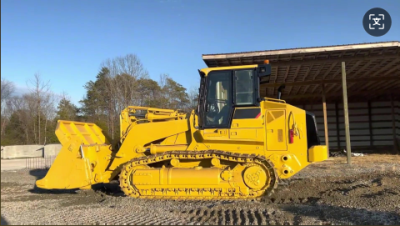
Key Structural & Technical Basis for Wheel Loader Maintenance
To carry out targeted wheel
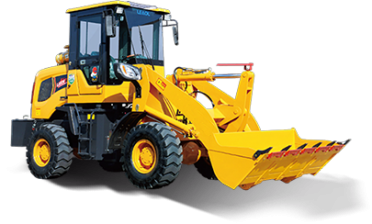
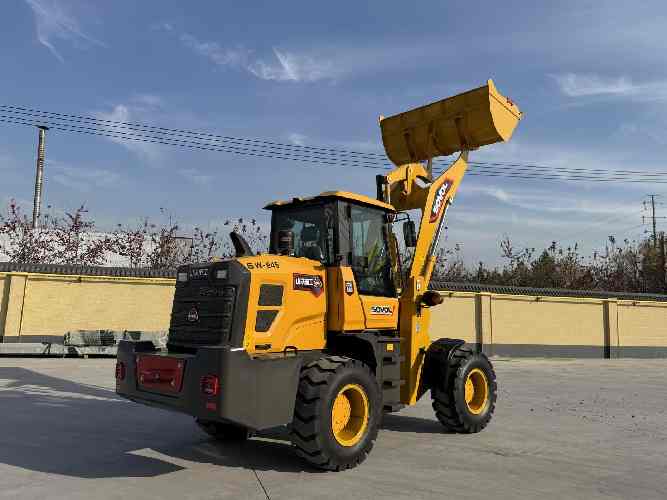
loader maintenance, buyers and maintenance personnel must first clarify the core structure and operating technical parameters of wheel loaders. Conventional commercial wheel loaders consist of five core components: power engine system, hydraulic transmission system, walking tire assembly,
loader arm and bucket working device, and intelligent control system. Each component directly affects equipment operating efficiency and service life, with clear maintenance technical standards.
The engine is the power core of the
wheel loader, requiring stable oil supply, clean air intake, and regular heat dissipation maintenance. The hydraulic system undertakes the lifting and loading actions of the equipment; impurities in hydraulic oil and pipeline blockage are the main causes of equipment failure. The loader arm and bucket bear long-term heavy-load impact, making regular lubrication and wear detection essential. Modern wheel loaders are equipped with intelligent fault monitoring systems, which can feed back real-time operating data, providing a basis for predictive
wheel loader service. Most standard wheel loaders adapt to working temperatures of -20℃ to 45℃; exceeding the operating temperature range or working in high-dust environments will exponentially increase component wear, making adaptive maintenance adjustments necessary.
Standard Wheel Loader Maintenance Procedures for Extended Service Life
Daily Routine Wheel Loader Maintenance
Daily maintenance is the foundation of extending
wheel loader service life, focusing on real-time inspection and minor adjustment. Before daily startup, operators need to check engine oil level, coolant capacity, and hydraulic oil volume to ensure all liquid levels meet standard technical parameters. Meanwhile, inspect tire pressure and surface wear to avoid uneven load caused by abnormal tire pressure. During equipment operation, monitor abnormal noise, vibration, and oil leakage of the hydraulic system and transmission system. After daily operation, clean the dust and sediment on the radiator, filter, and bucket to prevent dust accumulation from affecting heat dissipation and component operation. Simple daily wheel loader maintenance can effectively avoid early wear of vulnerable parts and reduce 30% of sudden equipment failures.
Periodic Scheduled Wheel Loader Service
Periodic maintenance is divided into 200-hour, 500-hour, and 1000-hour cycle specifications, which are universal industry wheel loader service standards. For the 200-hour maintenance cycle, replace engine oil and oil filter, clean the air filter element, and lubricate all rotating and connecting parts of the loader arm. For the 500-hour cycle, replace hydraulic oil filter and fuel filter, inspect hydraulic pipeline joints for aging and looseness, and calibrate the operating sensitivity of the control system. For the 1000-hour cycle, conduct comprehensive inspection and maintenance including engine overall debugging, transmission system oil replacement, walking mechanism wear detection, and hydraulic system pressure testing. Strictly implementing periodic wheel loader maintenance can stabilize equipment operating performance and delay overall equipment aging.
Seasonal & Environmental Adaptive Maintenance
Combined with global diversified working scenarios, seasonal and environmental adaptive
wheel loader maintenance is crucial. In high-temperature summer environments, focus on radiator cleaning and coolant replacement to prevent engine overheating and hydraulic oil deterioration. In low-temperature winter environments, replace low-temperature antifreeze and winter-specific lubricating oil to avoid pipeline freezing and poor equipment startup. For mining and construction sites with heavy dust and mud, increase the cleaning frequency of filter elements and hydraulic systems to prevent impurity abrasion of precision components. For long-term idle wheel loaders, conduct monthly startup inspection and lubrication maintenance to avoid part rust and oil precipitation failure.
Global Wheel Loader Maintenance: Smart and Sustainable Solutions
With the intelligent upgrading of construction machinery, the global wheel loader maintenance industry is transforming from passive fault maintenance to active predictive maintenance. More high-end wheel loader models are equipped with IoT monitoring systems, which can real-time collect equipment operating hours, component temperature, oil quality, and fault code data, realizing early warning of potential failures. This intelligent wheel loader service mode greatly reduces unplanned downtime and improves fleet operation efficiency. In addition, modular maintenance has become a new industry trend; standardized modular spare parts simplify replacement procedures, shorten maintenance cycles, and reduce the technical threshold for B2B buyers’ independent maintenance. Meanwhile, low-carbon maintenance concepts are popularized globally, including regular oil quality optimization and energy-saving component debugging, which not only extend wheel loader service life but also reduce fuel consumption and carbon emissions, meeting international environmental protection standards.

FAQ: Common B2B Buyer Questions About Wheel Loader Maintenance
1. How often should a standard wheel loader receive professional maintenance?
A complete wheel loader maintenance system includes daily inspection, 200-hour minor maintenance, 500-hour intermediate maintenance, and 1000-hour major maintenance. For equipment working in high-intensity and harsh environments, it is recommended to shorten the maintenance cycle by 15–20% to ensure stable equipment performance and extend service life.
2. What is the biggest factor affecting wheel loader service life?
Irregular maintenance and non-standard operation are the core factors. Long-term lack of lubrication, overdue replacement of filter elements and oil products, and overloaded operation will cause irreversible wear of engines and hydraulic systems, directly shortening the service life of wheel loaders by 30–40%.
3. Can intelligent monitoring replace manual wheel loader service inspection?
Intelligent monitoring systems can realize real-time data early warning but cannot replace manual professional maintenance. Equipment disassembly inspection, component wear calibration, and oil product replacement still require professional manual operation. The combination of intelligent monitoring and standardized manual wheel loader maintenance is the optimal operation mode.
4. How to reduce long-term wheel loader maintenance costs?
Long-term cost reduction relies on standardized full-cycle maintenance. Adhering to regular maintenance can avoid high-cost major repairs caused by minor failures. In addition, choosing high-quality matching spare parts and establishing exclusive equipment maintenance files can effectively control long-term wheel loader service costs and improve asset utilization.
Conclusion
As core construction machinery, wheel loaders’ full-cycle operating value depends entirely on scientific and standardized wheel loader maintenance. Facing the growing global equipment market and increasingly stringent engineering operation standards, B2B buyers must abandon the traditional concept of "repair after failure" and establish a full-cycle predictive
wheel loader service system. Standard daily inspection, periodic scheduled maintenance, and adaptive environmental maintenance can effectively extend wheel loader service life, reduce downtime losses, and optimize fleet operation costs, bringing stable profit growth for engineering projects and equipment leasing businesses.
If you need customized wheel loader maintenance manuals, professional spare parts matching schemes, or one-stop wheel loader service solutions for your fleet, contact our professional technical team now. We provide free technical consultation, detailed maintenance parameter documents, and competitive bulk quotation services to help your equipment maximize service value and reduce long-term operating costs.