
New Generation Wheel Loader Launched to Boost Jobsite Productivity & Fuel Efficiency
2026/07/22 15:56
Growing Global Infrastructure Demand Drives Construction Machinery Upgrade
The global construction industry continues to expand steadily, driven by large-scale infrastructure investment, urban renewal, mining resource development and rural construction projects worldwide. As one of the most versatile and widely used pieces of construction machinery, the wheel loader undertakes core on-site operations such as earthmoving, aggregate stacking, material transportation and stockyard management.
Traditional wheel loader models currently on the market face universal drawbacks for fleet owners and contractors. Outdated powertrain and hydraulic systems lead to excessive fuel consumption, slow working cycles and frequent equipment wear. In addition, rising global fuel prices and increasingly stringent environmental emission standards have pushed international buyers to prioritize intelligent, energy-saving, and high-efficiency construction machinery.
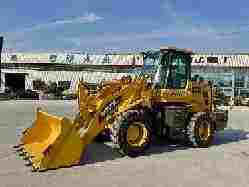
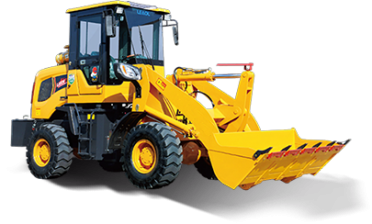
Against this market trend, the new generation heavy-duty wheel loader developed by [Your Company Name] focuses on two core competitive advantages — maximizing jobsite productivity and minimizing overall fuel consumption. Through iterative technical optimization and rigorous field testing, the upgraded wheel loader effectively reduces the total cost of ownership while maintaining stable and powerful operating performance, perfectly matching the diversified working needs of global engineering enterprises.
Core Technical Upgrades of the New Generation Wheel Loader
Optimized Powertrain System for Superior Fuel Efficiency
The new generation wheel loader adopts a fully calibrated low-emission powertrain system, equipped with an internationally certified high-efficiency turbocharged engine and intelligent transmission matching technology. Different from conventional heavy-duty wheel loader equipment with fixed power output, this model supports automatic power mode switching according to on-site working conditions.
In light-load scenarios such as urban construction and farm material handling, the system intelligently reduces engine power output to avoid unnecessary fuel waste. In heavy-load working conditions including quarry rock loading and bulk aggregate transportation, the equipment instantly releases high torque to ensure strong breakout force and stable operating performance. Field test data verifies that the new wheel loader reduces comprehensive fuel consumption by 10% to 15% compared with traditional models, bringing long-term and stable cost savings for enterprise fleets.
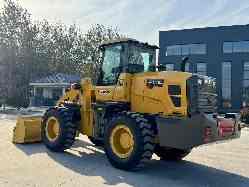
Advanced Hydraulic System Significantly Improves Jobsite Productivity
Working cycle efficiency is the key factor determining the actual operation capacity of a wheel loader. The upgraded construction machinery integrates a new load-sensing hydraulic system, which can dynamically distribute hydraulic flow according to real-time operating demands. This design completely solves the energy waste and slow response problems caused by the constant-pressure hydraulic system of old-fashioned equipment.
The bucket lifting, dumping and resetting actions of the heavy-duty wheel loader are more smooth and sensitive, effectively shortening the single operation cycle. Under the same working hours, the new wheel loader can complete more material handling tasks, greatly improving overall construction efficiency. Meanwhile, key structural parts such as the loader arm and connecting frame are optimized through finite element analysis, and made of high-strength wear-resistant steel, which effectively enhances the equipment durability in harsh working environments such as high dust, high load and bumpy roads.
Intelligent Monitoring System Reduces Equipment Downtime
Intelligent upgrading has become an inevitable development trend of modern construction machinery. The new generation wheel loader is equipped with an intelligent on-board monitoring terminal, which supports real-time monitoring of core data including engine status, hydraulic pressure, fuel consumption and cumulative working hours.
Fleet managers and operators can remotely view equipment operation data and receive early fault warnings, realizing predictive maintenance instead of passive emergency maintenance. This greatly reduces unplanned downtime and construction losses. The redesigned fully enclosed noise-reduction cabin provides a panoramic view and comfortable operating experience, ensuring that operators can maintain efficient working status during long-hour continuous operations.
Diversified Application Scenarios of the Upgraded Wheel Loader
With strong versatility and adaptability, the new generation heavy-duty wheel loader can be widely used in multiple industries and complex working conditions:
1. Infrastructure construction: Earthwork excavation, road foundation backfilling, construction aggregate stacking and transportation;
2. Mining and quarry industry: Heavy rock loading, bulk material turnover and yard sorting;
3. Agricultural and environmental projects: Farm material handling, land renovation, landfill cleaning and urban sanitation operations;
4. Municipal engineering: Snow removal, road cleaning and temporary material handling.
In addition, the wheel loader supports fast replacement of multiple attachments including standard buckets, pallet forks and snow pushers. A single device can meet diverse operation needs, effectively improving asset utilization for medium and small engineering contractors. All equipment undergoes strict raw material inspection, welding quality testing and full-machine load debugging before leaving the factory to ensure stable quality for global users.
Frequently Asked Questions (FAQ)
Q1: How much fuel cost can the new generation wheel loader save compared with old models?
A: Under standard mixed working conditions, the new wheel loader achieves a 10%-15% reduction in hourly fuel consumption. For fleets with 8-hour+ daily continuous operation, the cumulative fuel-saving benefit is very significant within one year, greatly reducing the long-term operating cost of construction machinery.
Q2: Is this heavy-duty wheel loader suitable for harsh mining and quarry environments?
A: Absolutely. The equipment is specially optimized for high-dust, high-load and rugged working conditions. It is equipped with an enhanced dust-proof air intake system and high-sealing hydraulic components. Wear-resistant buckets and reinforced tires are optional to adapt to long-term mining operations.
Q3: Can traditional attachments be compatible with the new generation wheel loader?
A: All standard conventional attachments are fully compatible. For customized special accessories, customers can send parameter information to our technical team for professional matching confirmation to ensure no adaptation problems.
Q4: What after-sales support can global buyers get?
A: [Your Company Name] provides global after-sales service, including full-cycle warranty, remote technical guidance and rapid spare parts supply. We have local distributors and service teams in most overseas regions to quickly respond to customer equipment maintenance and repair needs.
Conclusion
As the global construction machinery market becomes increasingly competitive, equipment procurement standards have shifted from simple low-price preference to comprehensive performance, energy-saving efficiency and long-term service quality. The launch of the new generation wheel loader perfectly caters to the upgrading needs of the global engineering industry.
With superior jobsite productivity, industry-leading fuel efficiency and reliable heavy-load performance, this heavy-duty wheel loader has become an ideal cost-effective equipment choice for global contractors, mine operators and equipment distributors. [Your Company Name] will continue to focus on technological innovation of construction machinery, and provide high-quality, high-efficiency and low-consumption engineering equipment solutions for global customers.