
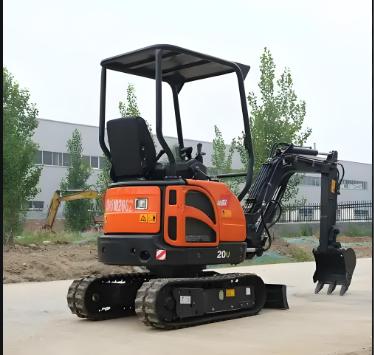
Mini excavator price
Mini excavators offer the following advantages:
1. Flexibility and Mobility: Small size and light weight enable operation in narrow spaces like indoors, alleyways, and orchards. They can be quickly transported between job sites for easy relocation.
2. Easy Operation: Humanized control systems with logically arranged joysticks and pedals make them easy to master, allowing operators to precisely control digging movements.
3. Multifunctionality: Compatible with various attachments (e.g., breaker hammers, grapples, augers) to perform tasks like breaking, grabbing, and drilling, adapting to different work scenarios.
4. Low Site Damage: Tracks or tires exert low ground pressure, reducing the risk of sinking on soft terrain and minimizing damage to paved roads or farmland.
5. Fuel Efficiency: Compared to large excavators, their smaller engines consume less fuel for small-scale tasks, lowering operational costs.
6. Low Maintenance Costs: Simplified structures with fewer components make maintenance easier, and replacement parts are relatively affordable.
Product Details
Introduction to Mini Excavators
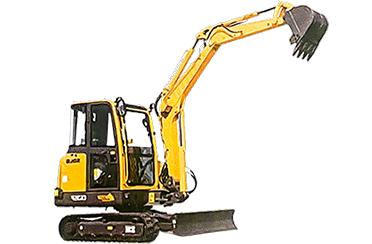
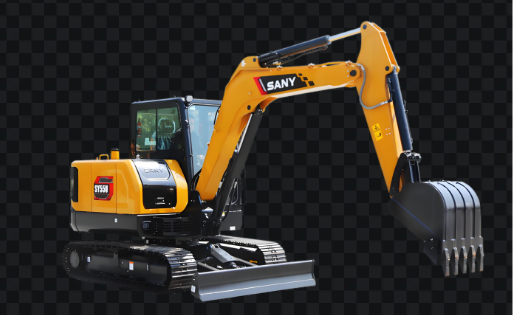
Mini excavators are compact, versatile construction machines designed for efficiency in tight spaces and small-scale projects. Here’s an overview:
Structure
- Engine: Typically diesel-powered, offering moderate horsepower suitable for precision tasks without excessive fuel consumption.
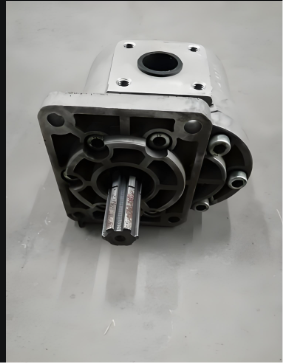
- Hydraulic System: Drives the boom, arm, and bucket via hydraulic cylinders, enabling smooth and controlled movements for digging, lifting, and grading.
- Chassis:
- Crawler (Tracked): Provides stability on rough or soft terrain with low ground pressure, ideal for off-road use.
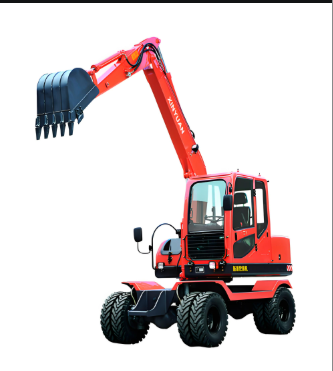
- Wheeled: Offers higher mobility on paved surfaces, suitable for quick transportation between sites.
- Working Attachments: Standard bucket for digging, with optional tools like breakers, augers, or grapples for versatility.
Working Principle
The engine powers a hydraulic pump, converting mechanical energy into hydraulic pressure. This pressure drives actuators (cylinders and motors) to operate the boom, arm, and bucket. Operators use intuitive joysticks and pedals in the cab to control depth, angle, and speed, ensuring precision in tasks like trenching or site preparation.
Applications
- Residential Construction: Ideal for small-scale foundation digging, pipeline installation, and backyard projects.
- Urban Renovation: Fits narrow streets or indoor spaces for road repairs, utility work, or demolition.
- Agriculture/Landscaping: Used for digging irrigation ditches, grading gardens, or clearing debris in orchards.
- Industry: Handles light material handling, excavation in tight industrial sites, or maintenance tasks.
Key Advantages
- Compact Design: Navigates through doorways, alleys, or fenced areas where large machines cannot access.
- Low Environmental Impact: Reduced noise and emissions (in modern models) make them suitable for urban or residential areas.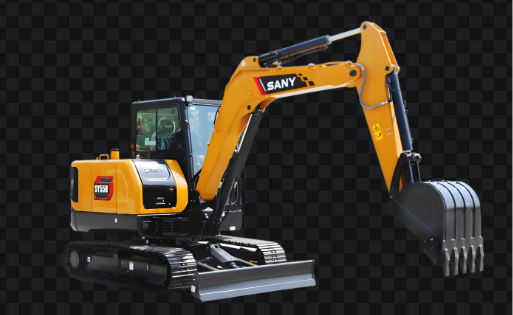
- Cost-Effective: Lower purchase and operational costs compared to full-size excavators, with high ROI for small businesses.
- Attachment Flexibility: Quick-change systems allow rapid switching between tools, enhancing productivity across tasks.
Limitations
- Reduced Power: Not suited for heavy-duty excavation or large-scale earthmoving.
- Slower Output: Lower digging force and bucket capacity compared to larger excavators.
Mini excavators bridge the gap between manual labor and heavy machinery, offering efficiency and adaptability for diverse small-scale applications.
Leave your messages