
Wheel Loader
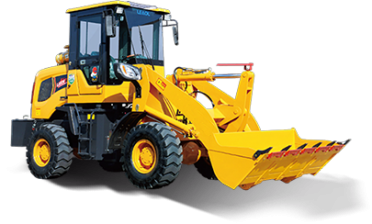
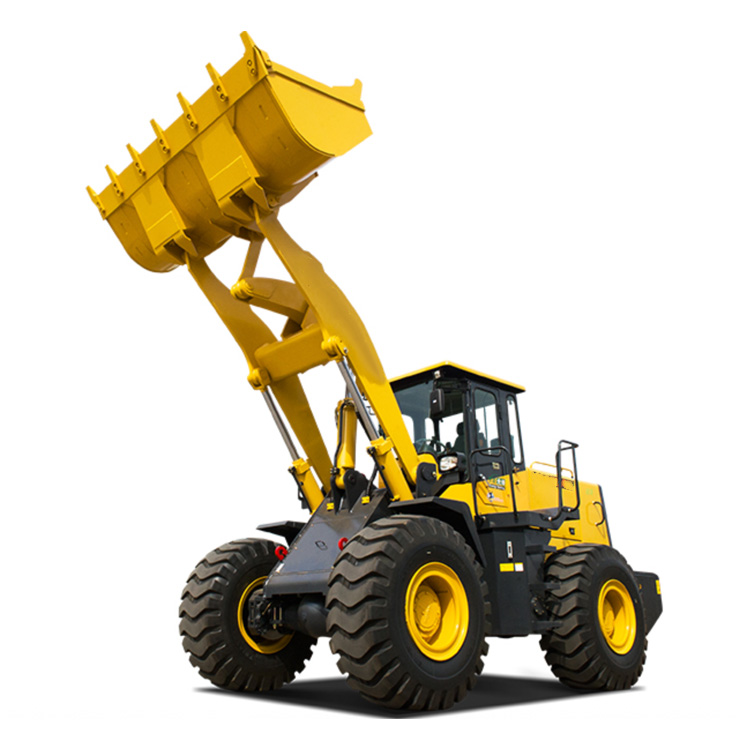
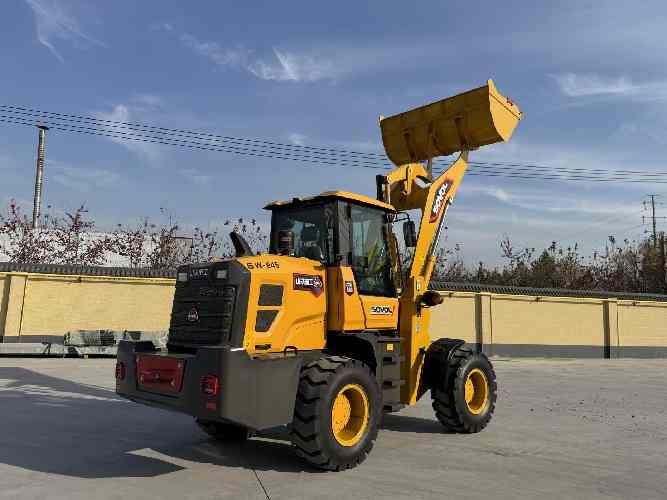
1. Our best wheel loader provides powerful breakout force with a competitive wheel loader price for global business buyers.
2. Reinforced heavy‑duty chassis and bucket enhance impact resistance for quarry, farm and tough construction sites.
3. Upgraded fuel‑saving powertrain cuts diesel consumption effectively and lowers long‑term operating expenditures.
4. Various quick‑change attachments support material stacking, pallet forking and snow‑removal for diversified tasks.
5. Spacious enclosed cabin with shock‑absorbing seats reduces driver fatigue during long‑hour continuous working shifts.
6. Factory direct supply and dependable global after‑sales service make this wheel loader for sale a solid investment option.
### 中文对照
Product Details
1. Product Overview: Reliable Bucket Loader Machinery for Global Users
As a core piece of modern construction and agricultural equipment,bucket loader machinery plays an irreplaceable role in material loading, stacking, transportation and site cleaning. Our upgraded wheel loader for sale is a highly versatile and cost-effective loading machine designed to meet the diverse operational needs of construction projects, farmland operations, quarry mining, municipal maintenance and logistics handling. For global B2B buyers including engineering contractors, equipment rental companies, farm owners and logistics merchants, choosing stable and durable bucket loader machinery is the key to improving overall construction efficiency and reducing operating costs. We always adhere to factory direct sales models, providing transparent and favorable wheel loader price while ensuring every machine delivers superior performance, stable quality and long service life. Different from ordinary loading equipment on the market, this series of wheel loaders integrates optimized power system, reinforced structural design and intelligent operating configuration, perfectly solving the problems of high fuel consumption, weak loading capacity and easy damage of traditional bucket loader machinery.
2. Superior Structural Design & Durable Bucket Configuration
The overall structure of our bucket loader machinery is professionally optimized for long-term heavy-duty operation. The whole machine adopts high-strength thickened steel plate and integral welding technology, which greatly enhances the rigidity and impact resistance of the body. The key load-bearing parts such as boom, connecting rod and chassis are reinforced and thickened to effectively resist frequent impact and friction during material shoveling and loading, avoiding deformation and damage during long-term high-intensity work. The standard high-capacity wear-resistant bucket is the core component ofwheel loader for sale, adopting integrated stamping and wear-resistant welding technology, with large loading capacity, strong breakout force and excellent anti-wear performance, which can easily handle gravel, soil, coal, grain and other bulk materials.
In addition, the flexible body turning design reduces the turning radius of the whole machine, making the bucket loader machinery adapt to narrow construction sites, farm yards and crowded material stacking yards. Whether it is open outdoor operation or limited space operation, the machine can maintain flexible and efficient working efficiency. With exquisite manufacturing technology and reliable structural quality, our equipment maintains a highly competitive wheel loader price in the global market, bringing higher cost performance for buyers.
3. Efficient Power System & Energy-Saving Performance
Excellent power performance is the core advantage of our high-quality bucket loader machinery. This wheel loader for sale is equipped with internationally renowned brand diesel engines that meet Euro V and EPA emission standards, with strong power reserve, stable power output and low failure rate. The matched professional transmission system realizes smooth power transmission, effectively improving the walking speed and loading efficiency of the whole machine, and ensuring continuous and stable operation under heavy load conditions such as quarry stone loading and earthwork transportation.
Aiming at the high operating cost pain point of traditional loaders, we have optimized the fuel supply and power distribution system of the bucket loader machinery. The intelligent fuel injection system can accurately adjust fuel consumption according to different working loads, effectively reducing invalid fuel waste. Compared with ordinary loader equipment, this upgraded wheel loader for sale reduces comprehensive fuel consumption by 15%-20%, greatly saving the daily operating cost for users. For buyers who pay attention to long-term profit margin, low energy consumption and stable performance are far more important than blindly pursuing low wheel loader price. While ensuring strong power, our equipment realizes energy saving and environmental protection, meeting the increasingly stringent global environmental protection and emission standards.
4. Advanced Hydraulic System & High Working Efficiency
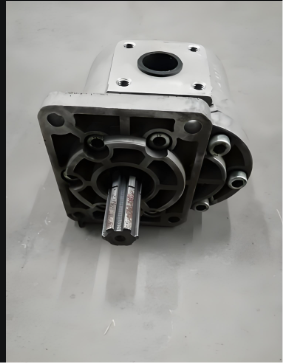
Our bucket loader machinery is equipped with an upgraded full hydraulic control system, which is the key to efficient and stable operation. The high-precision hydraulic pump and valve group realize sensitive response and stepless speed regulation. The boom lifting, bucket shoveling and walking operations are smooth and stable without jitter, which effectively improves the accuracy and efficiency of loading operation. The optimized hydraulic heat dissipation system can quickly dissipate heat during long-hour continuous operation, avoid high-temperature stagnation and failure of the hydraulic system, and ensure the stable operation of the wheel loader for sale in high-temperature and high-load working environments.
The hydraulic self-weight reset and energy recovery design further reduces the power loss of the whole machine, improves the working cycle efficiency, and makes the material loading and stacking operation more efficient. Whether it is large-scale earthwork construction, daily farm grain handling or municipal road cleaning, this bucket loader machinery can complete a large number of operational tasks in a short time. Relying on excellent hydraulic performance and stable working quality, our equipment has won wide recognition from global buyers, and the affordable wheel loader price further enhances the market competitiveness of the product.
5. Diversified Functions & Wide Application Scenarios
This multi-functional bucket loader machinery supports a variety of quick-change attachments, realizing one machine with multiple functions and greatly expanding the application range. On the basis of the standard loading bucket, users can freely configure fork attachments, snow push plates, grass rakes, enlarged buckets and other accessories according to actual needs. The wheel loader for sale can not only complete conventional material shoveling, loading and stacking work, but also realize pallet handling, snow removal, land leveling and material sorting, covering construction engineering, agricultural planting, municipal engineering, port logistics, road maintenance and other fields.
For individual users, small engineering teams and equipment rental companies, the multi-functional design of bucket loader machinery effectively avoids the need to purchase multiple single-function machines, greatly saving equipment investment costs. Even if the initial wheel loader price is slightly higher than that of ordinary basic models, the diversified working capabilities can quickly recover the investment cost and create stable economic benefits for users.
6. Humanized Operation Design & Safe Working Performance
We have carried out comprehensive humanized optimization for the operation experience and safety performance of the bucket loader machinery. The fully enclosed dust-proof and noise-reducing cabin is equipped with a widened shock-absorbing seat and a panoramic transparent window, which provides operators with a broad field of vision and a comfortable operating environment, effectively reducing work fatigue during long-hour continuous operation. The simplified integrated control handle is easy to operate and learn, and novice operators can quickly master the operation skills without complicated professional training.
In terms of safety configuration, this wheel loader for sale is equipped with overload protection device, emergency stop system, anti-slip tires and high-brightness working lights, which can effectively avoid safety accidents caused by overload operation, complex terrain and dark environment. The whole machine has a compact and stable center of gravity, excellent anti-rollover performance, and can adapt to muddy, rugged and other complex working terrains, ensuring the safety of personnel and equipment during operation. While ensuring high-standard safety and comfort, we always maintain a cost-effective wheel loader price, bringing maximum value to every buyer.
7. Factory Direct Sales & Perfect After-Sales Service
All our bucket loader machinery products are sold directly by the factory, completely eliminating the intermediate dealer price difference. We provide the most real and transparent wheel loader price for global customers, and support personalized customization of machine color, configuration, logo and tonnage to meet the differentiated procurement needs of different users. Everywheel loader for sale has passed CE, EPA and other international authoritative certifications, with complete export qualification, stable and reliable quality, and can be smoothly exported to Europe, America, Southeast Asia, Africa and other global regions.
In terms of after-sales service, we provide one-year full machine warranty, lifelong free technical guidance and complete spare parts supply services. Our professional overseas after-sales team can quickly respond to customer needs, solve equipment operation faults and maintenance problems in a timely manner, and eliminate users' after-sales worries. Whether you purchase a single bucket loader machinery for personal use or bulk equipment for rental and resale, we can provide flexible cooperation schemes and exclusive preferential wheel loader price.
8. Product Summary
In conclusion, our high-performance bucket loader machinery has outstanding advantages in sturdy structure, strong power, high efficiency, energy saving, multi-function and safe operation. It is an indispensable core equipment for modern construction, agriculture and municipal engineering. With reliable quality, low operating cost and ultra-competitive wheel loader price, our wheel loader for sale has always been the first choice for global B2B buyers. If you are looking for high-quality and cost-effective bucket loader machinery, welcome to contact us to get the latest detailed parameters and exclusive quotation.
Leave your messages