
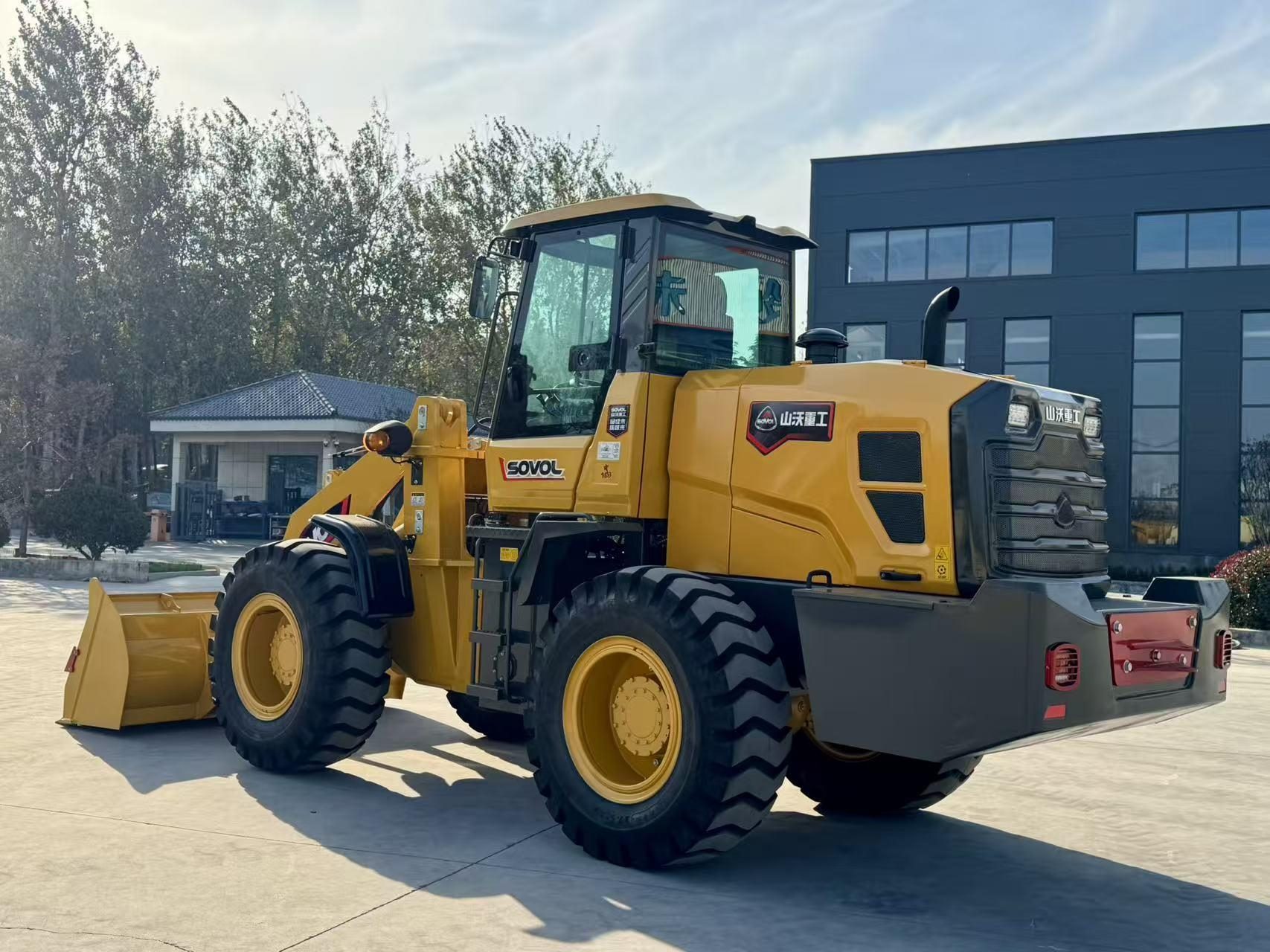
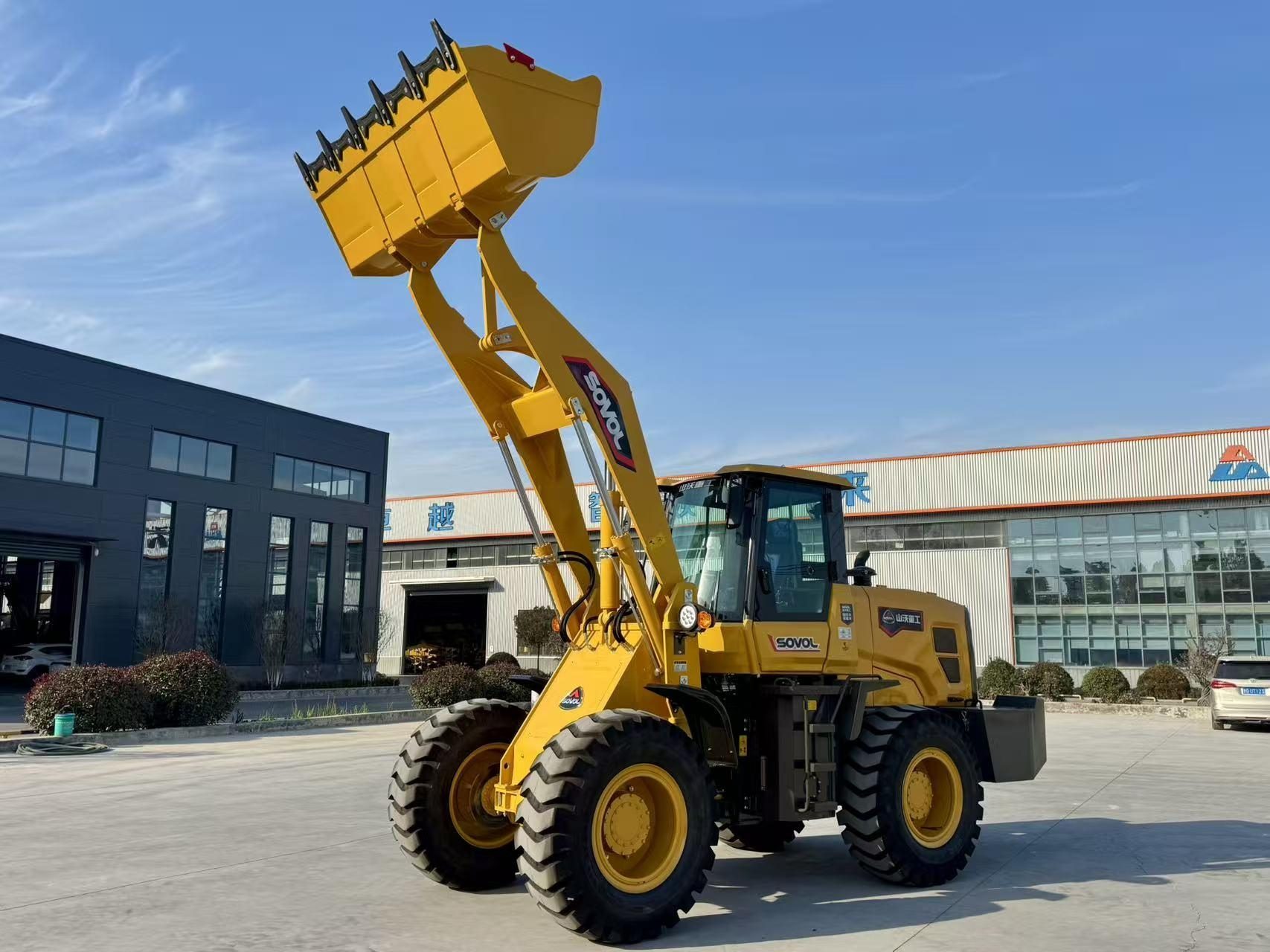
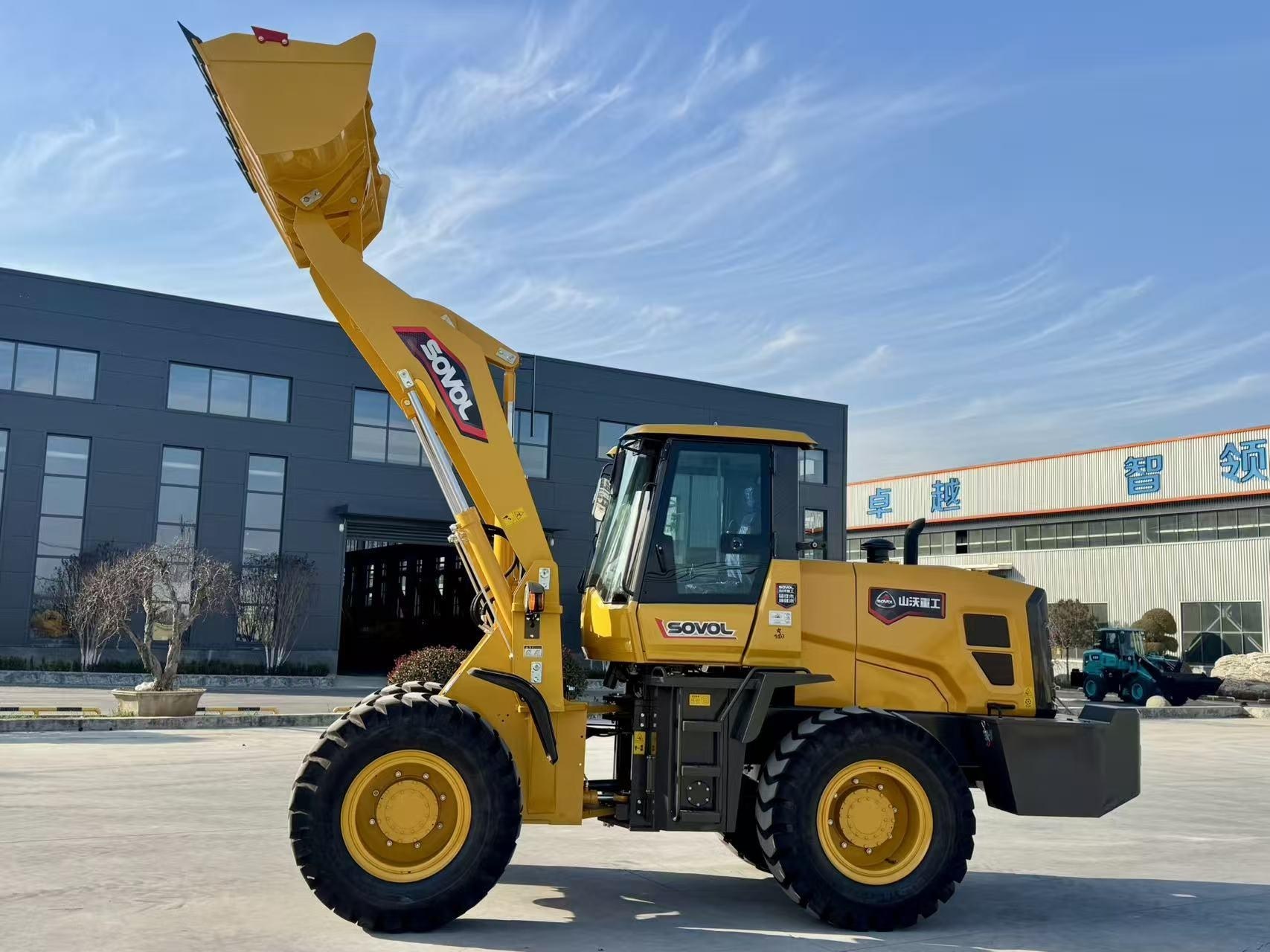
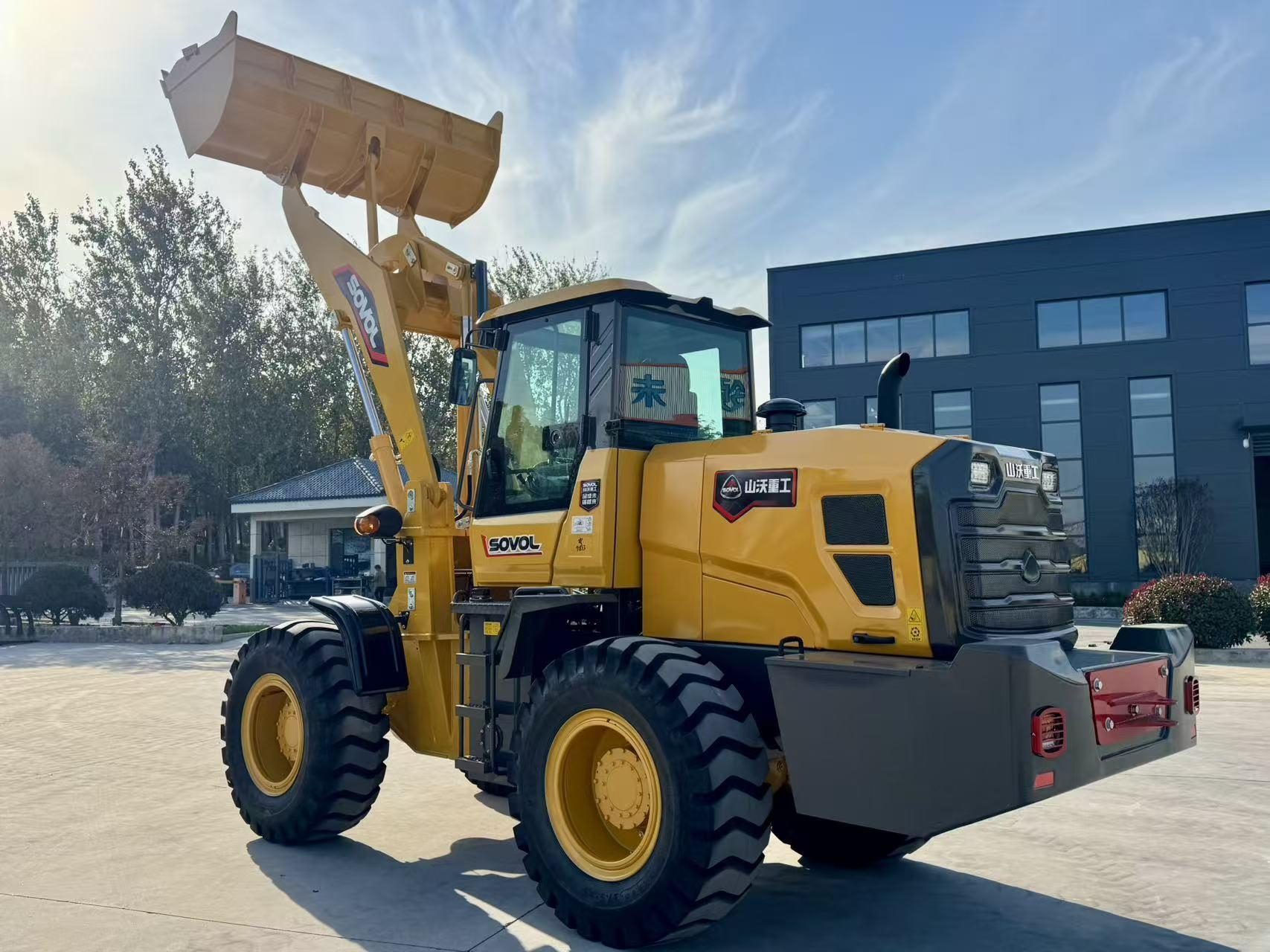
Construction Wheel Loader
Strong Power, High Efficiency
Heavy-Duty, Stable & Durable
Precise Hydraulics, Easy Operation
Fuel Saving, Low Consumption
Comfortable Cab, Low Fatigue
Easy Maintenance, Long Service Life
Safe & Reliable, Wide Application
Product Details
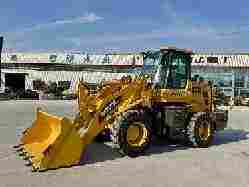
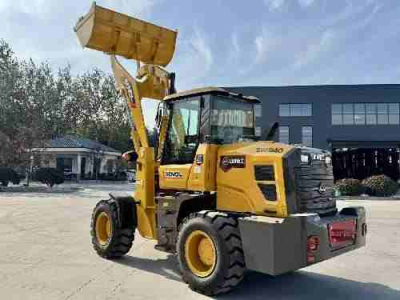
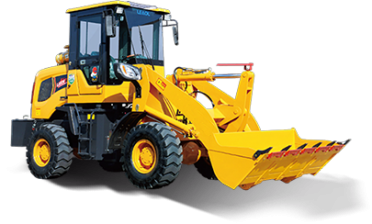
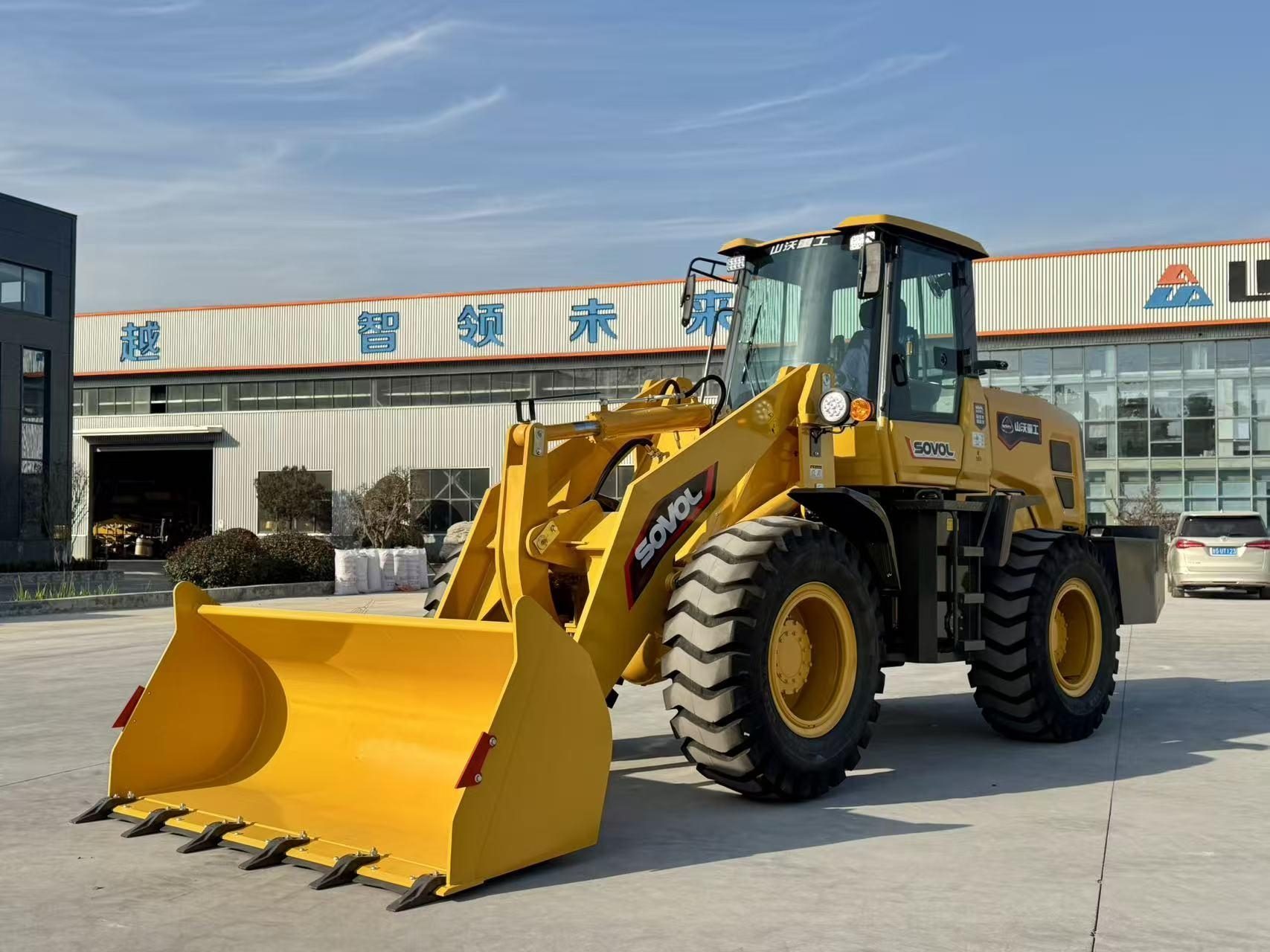
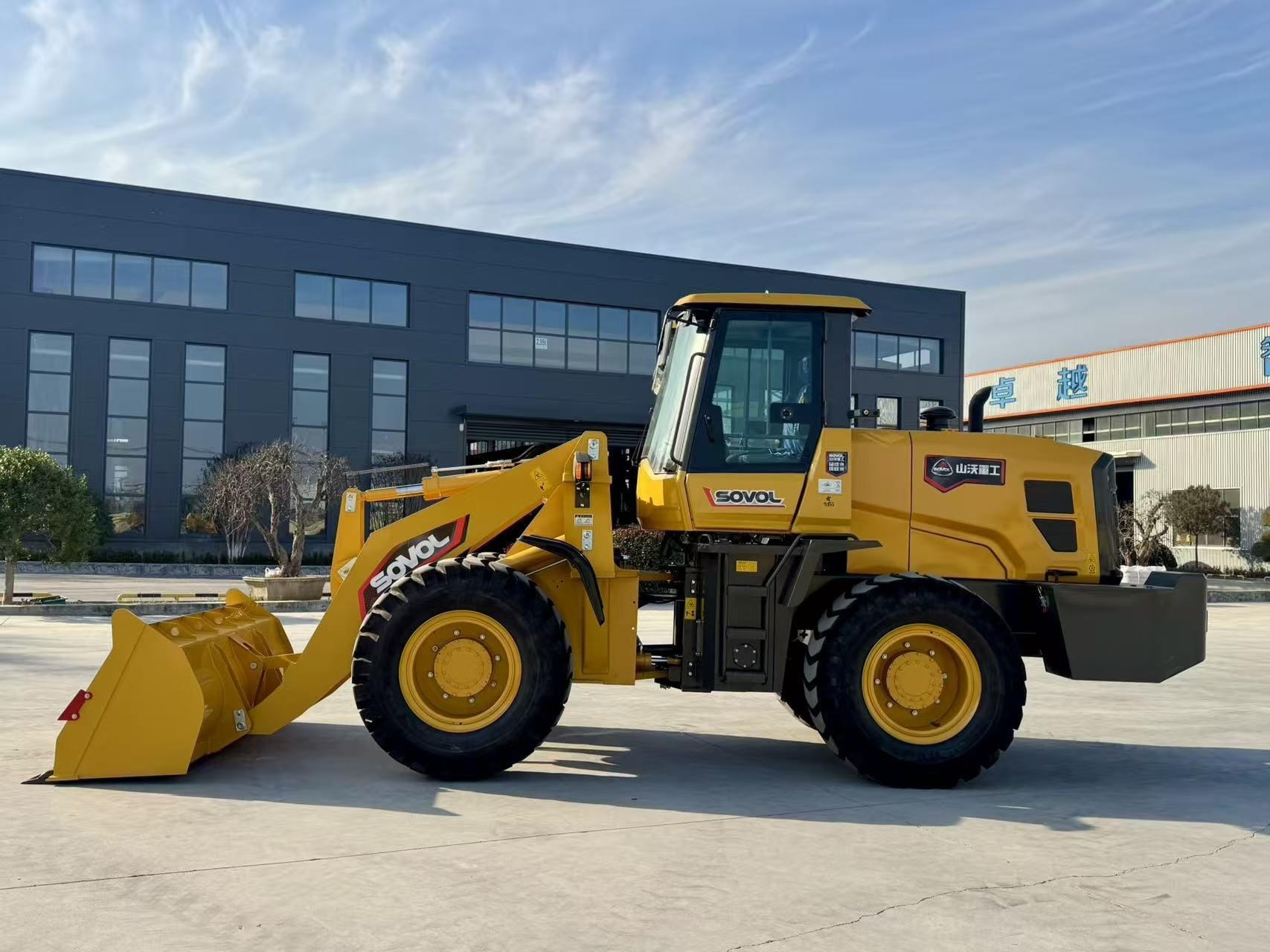
The 958 loader (represented by XCMG XC958, HELI HL958) features powerful performance, stable heavy-load operation, high efficiency, fuel economy, comfortable driving experience and convenient maintenance. It is specially suitable for heavy-duty continuous working conditions such as mines, ports, coal yards and steel plants.
1. Strong Power & Energy Saving
Equipped with 170kW electronically controlled high-pressure common rail engine (China Stage III/IV emission), with large torque reserve, quick power response.
Matched with dedicated electronic control transmission + planetary hydraulic torque converter, realizing precise power matching and high transmission efficiency.
The 958 loader, represented by XCMG XC958 and HELI HL958, is a medium-to-large construction equipment tailor-made for heavy-duty, high-frequency and continuous operating conditions. Integrating powerful performance, excellent heavy-load stability, high efficiency, fuel economy, comfortable driving experience and convenient maintenance, the machine has undergone comprehensive working condition optimization and structural upgrades. It is perfectly adaptable to high-intensity, high-load and harsh operating scenarios including mine exploitation, port loading and unloading, coal yard stacking and handling, as well as steel mill material transportation. Capable of effectively improving construction efficiency, reducing operating costs and lowering equipment failure rates, it serves as a core mainstream device for large-scale operation in industrial and mining enterprises.
2. Superior Power Performance and High Energy Efficiency
Equipped with a 170kW electronically controlled high-pressure common rail engine that complies with China Stage III and Stage IV emission standards, the loader meets national environmental protection construction requirements in all regions. Boasting sufficient torque reserve and excellent low-speed torque performance, the engine delivers continuous and stable power output with rapid response and no lag under severe working conditions such as heavy-load starting, thick material cutting and full-load shoveling, easily coping with various high-intensity operations.
The power transmission system adopts an exclusive customized matching solution, equipped with a dedicated electronic control transmission and a high-precision planetary hydraulic torque converter, forming an integrated and efficient closed-loop system for power output and transmission. The entire transmission system can automatically adjust the power output ratio according to real-time operating loads to achieve accurate power matching, minimize power loss, greatly improve overall transmission efficiency and maximize power utilization while eliminating ineffective energy consumption.
The loader supports three intelligent power modes including light-load, medium-load and heavy-load modes, which can be freely switched according to different construction scenarios. The light-load mode is applicable for site leveling and light material transportation to reduce energy consumption; the medium-load mode balances operating efficiency and fuel consumption for conventional stacking and handling work; the heavy-load mode provides strong explosive power for heavy-load shoveling, hard soil excavation and bulk material loading and unloading. Meanwhile, the vehicle ECU electronic control system precisely regulates fuel injection quantity, timing and pressure in real time to refine the combustion process. Compared with traditional loaders of the same class, it reduces comprehensive fuel consumption by 10%–15%, delivering remarkable economic benefits and greatly cutting long-term fuel operating costs.
To solve the industry pain points of overheating failure during long-hour continuous operation under high temperatures, the loader is fitted with an enlarged integrated heat dissipation system with a significantly increased heat dissipation area and an optimized ventilation duct designed via fluid simulation for higher heat dissipation efficiency. Even under harsh conditions such as high-temperature summer weather, all-weather non-stop construction and dense dust environments, the water temperature and oil temperature remain within the standard operating range, effectively avoiding high-temperature shutdown, power attenuation and component overheating damage and ensuring all-weather stable operation.
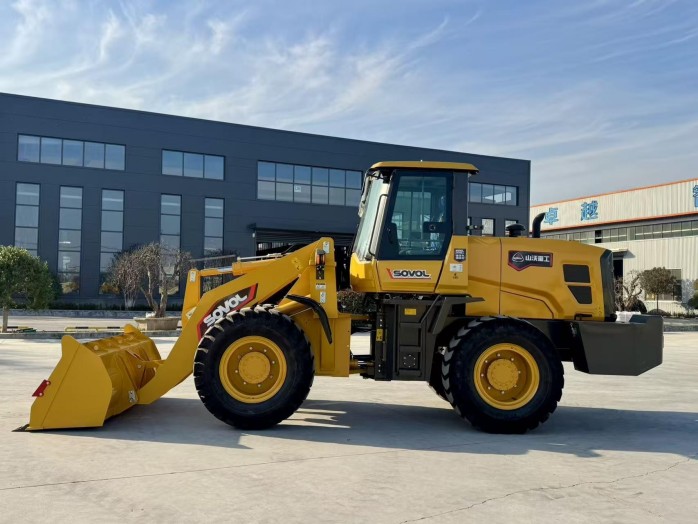
3. Excellent Heavy-load Stability and Durable Structure
Adopting an industry-preferred equal and long wheelbase design with an optimal wheelbase of 3200mm, the loader fundamentally enhances operational stability. It maintains balanced center of gravity and anti-roll performance under full-load heavy operation, unilateral stress and slope working conditions. Meanwhile, the optimized steering structure effectively reduces the turning radius and improves flexibility. It is competent for large-scale operations in open sites and adapts to limited construction scenarios in narrow mining areas, material yards and factory buildings with strong site adaptability.
With an operating weight of 17–18 tons and a rated load of 5.5 tons, the loader features a scientific load distribution and stable heavy-load bearing capacity. It is equipped with a standard 3.0m³ optimized engineering bucket with a bionic wear-resistant curved surface. The bucket radian and cutting edge angle are optimized through thousands of working condition tests, achieving a high material filling rate and low cutting resistance when shoveling sand, gravel, coal, ore, steel slag and other materials. It increases the single loading capacity, reduces round-trip operating times and significantly improves overall construction progress and working efficiency.
All core structural components are optimized through professional finite element analysis to solve key problems such as stress concentration, frequent wear and repeated stress under long-term heavy-load operation. The frame, boom, rocker arm and other key stress-bearing parts are made of thickened high-strength steel with reinforced welding points and stress nodes to disperse operating stress and prevent deformation, cracking and wear caused by long-term high-intensity operation. The heavy-duty reinforced articulated frame features excellent torsion resistance, bending resistance and impact resistance, tolerating long-term high-frequency impact work and greatly extending the service life of the equipment.
The walking system is fully upgraded for heavy-duty working conditions. The reinforced heavy-load drive axle adopts upgraded materials and optimized structure for internal core components such as gears and bearings, with comprehensively improved bearing capacity, impact resistance and wear resistance to output stable and strong traction force. Matched with thickened large-size wear-resistant heavy-duty tires with optimized deep tread patterns, the loader delivers stronger ground gripping performance and higher durability. It can adapt to various harsh road conditions including muddy roads, gravel roads and uneven hard mining surfaces, effectively reducing slipping and trapping risks, ensuring continuous and stable operation in complex road conditions and lowering failure rates of the walking system.
4. Basic Parameters
Model | SW958 Heavy-duty Wheel Loader |
Rated Load | 5,500 kg |
Standard Bucket Capacity | 3.0 m³ (High-fil optimized bucket) |
Wheelbase | 3200 mm (Equal long wheelbase stable design) |
Overall Dimensions (L×W×H) | 8100 × 3050 × 3450 mm |
5. Engine Parameters
Engine Type |
Electronically Controlled High-pressure Common Rail Diesel Engine |
Rated Power | 170 kW |
Emission Standard | China Stage III / Stage IV, complying with mainstream domestic environmental protection construction requirements |
Core Performance: | Sufficient torque reserve, rapid power response and stable low-speed output, capable of handling high-intensity operations including heavy-load starting, thick material cutting and full-load shoveling |
Energy-saving Performance | Equipped with an intelligent electronic fuel injection system, reducing comprehensive fuel consumption by 10%–15% compared with traditional peer models and lowering long-term operating costs |
Leave your messages