
How Wheel Tractors Boost Farm Productivity
Industry Background: Why Mechanization Matters
Agriculture is under pressure from two directions. On one side, the United Nations estimates that global food production must increase by roughly 70 percent by 2050 to feed nearly 10 billion people. On the other, rural labor is declining across Asia, Africa, and Latin America as younger workers migrate to cities. In this environment, the wheel tractor acts as a force multiplier: one operator with a 100-horsepower machine can accomplish the work of dozens of manual laborers in a fraction of the time.
Mechanization rates vary widely by region. North America and Western Europe already exceed 90 percent mechanization in major field operations, while parts of Sub-Saharan Africa remain below 20 percent. This gap represents a significant growth opportunity for manufacturers and distributors of affordable, durable wheel tractor models. For importers targeting emerging markets, equipment that can reduce farming labor cost delivers an immediate and measurable return on investment.
Market Data and Growth Trends
The global agricultural tractor market has demonstrated resilient growth. According to industry analysts, the market was valued at approximately USD 70–75 billion in 2024 and is projected to expand at a compound annual growth rate (CAGR) of around 5–6 percent through 2030. Several factors underpin this trajectory:
Rising farm sizes in economies such as Brazil, India, and China increase demand for higher-horsepower units.
Government subsidies for farm mechanization in Southeast Asia and Africa lower the barrier for smallholder cooperatives.
Replacement cycles in mature markets, where fleets aged 10–15 years are being upgraded for fuel efficiency and emissions compliance.
Precision agriculture adoption, which requires tractors capable of integrating GPS, auto-steering, and ISOBUS implements.
Within this market, the 50–100 horsepower segment dominates volume, particularly among mid-sized farms and rental fleets. However, the 100–200 horsepower category is growing fastest, driven by large-scale grain operations and contractors seeking multi-task versatility.
Regional Demand Shifts
Asia-Pacific remains the largest consumer by volume, led by India and China. Africa presents the highest growth potential, where governments and development banks are actively financing tractor procurement programs. Latin America, led by Brazil and Argentina, continues to demand high-horsepower machines for soybean, corn, and sugarcane cultivation.
How Wheel Tractors Enhance Productivity
1. Multi-Function Versatility
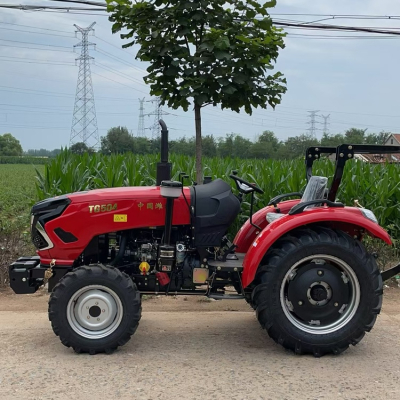
The core strength of a wheel tractor is its ability to operate a wide range of implements through three-point hitch systems, power take-off (PTO) shafts, and hydraulic remotes. Common wheel tractor uses in agriculture include:
Primary and secondary tillage (plowing, harrowing, subsoiling)
Seedbed preparation and precision planting
Fertilizer and pesticide application
Hay baling, mowing, and forage handling
Grain cart and harvest support
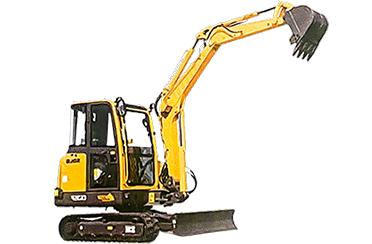
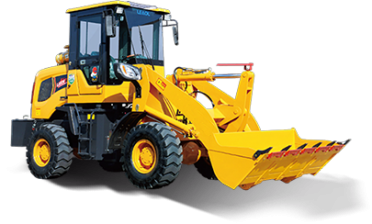
Loader work for material handling
On-farm and road transportation
A single tractor can rotate through these tasks across seasons, maximizing utilization and lowering the per-hectare cost of ownership.
2. Labor Cost Reduction
Labor typically accounts for 20–40 percent of operating costs on commercial farms. By automating physically demanding and time-consuming tasks, a wheel tractor can reduce farming labor cost substantially. For example, a 90-horsepower tractor with a 4-bottom plow can till 4–6 hectares per day, compared to roughly 0.2 hectares using animal-drawn equipment. This productivity gain allows farms to operate with smaller, better-trained crews and reallocate labor to higher-value activities such as crop management and maintenance.
3. Timeliness and Yield Protection
In agriculture, timing is yield. Planting windows, herbicide application intervals, and harvest schedules are often measured in days. A powerful, reliable tractor ensures operations are completed within optimal agronomic windows, directly protecting yield quality and quantity. Delays caused by underpowered or unreliable machinery can result in yield losses of 5–15 percent, making equipment reliability a critical profitability factor.
4. Fuel and Operational Efficiency
Modern wheel tractors feature high-torque, low-RPM diesel engines, electronically controlled fuel injection, and efficient transmission systems such as powershift and continuously variable transmissions (CVT). These technologies reduce fuel consumption by 10–20 percent compared with older mechanical models, lowering per-hectare operating costs and extending working hours between refueling.
Key Technologies in Modern Wheel Tractors
Powertrain and Emissions
Current-generation tractors comply with Tier 4 Final / Stage V emissions standards in regulated markets, while offering simpler, more robust engine configurations for emerging markets where fuel quality and service infrastructure vary. Manufacturers typically provide both high-spec and value-engineered variants to match regional requirements.
Precision Agriculture Integration
GPS-guided auto-steering, section control, and variable-rate application are no longer exclusive to premium machines. Mid-range wheel tractor models now support ISOBUS connectivity, allowing operators to manage implements from a single terminal and collect field data for analysis. This integration reduces input overlap, saves seed and fertilizer, and creates auditable records for quality-focused supply chains.
Operator Comfort and Safety
Climate-controlled cabins, ergonomic controls, suspension seats, and rollover protection structures (ROPS) reduce operator fatigue and improve safety. A comfortable operator can maintain productivity over 10–12 hour shifts, which is critical during peak planting and harvest seasons.
Manufacturing and Application Overview
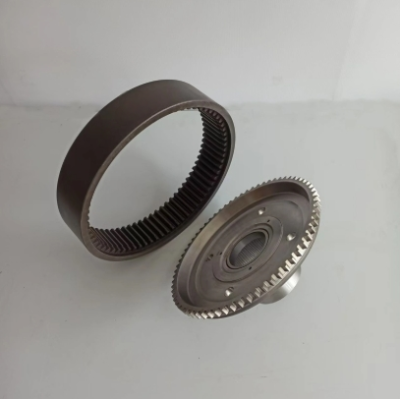
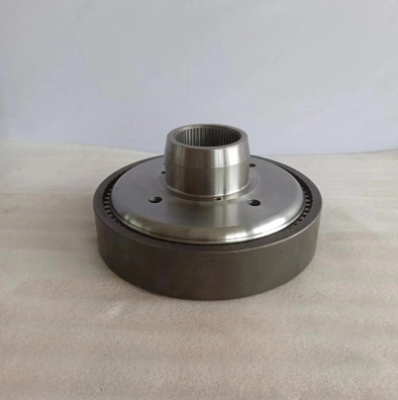
A typical wheel tractor is assembled around a cast-iron chassis, a diesel engine, a transmission and rear axle assembly, hydraulic systems, and an operator cabin. Key manufacturing processes include precision machining of transmission gears, robotic welding of chassis and loader frames, and automated painting for corrosion resistance. Quality control focuses on hydraulic pressure testing, engine dynamometer validation, and field durability trials.
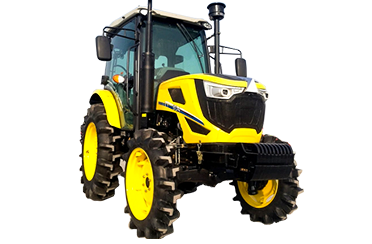
In application, the tractor is selected based on horsepower, lift capacity, PTO rating, and hydraulic flow to match the intended implements. A 70-horsepower 4WD model, for instance, is well suited to 2–3 hectare vegetable farms and orchards, while a 180-horsepower unit is designed for broadacre tillage and heavy planting rigs. Matching tractor size to task is essential to avoid overloading or underutilizing the machine.
Sourcing Considerations for B2B Buyers
Importers and distributors should evaluate suppliers on:
Horsepower range and model breadth to cover diverse farm segments.
Parts availability and after-sales network, as downtime directly impacts farmer trust.
Warranty terms, typically 1–2 years or 1,000–2,000 operating hours.
Certifications, including CE, ISO 9001, and emissions compliance for target markets.
Customization options, such as cabin configuration, tire packages, and front-end loaders.
Production capacity and lead times, especially ahead of peak planting seasons.
Reliable manufacturers offer technical training, spare-part catalogs, and marketing support to help distributors build local demand.
FAQ: Common Buyer Questions
Q1: What horsepower wheel tractor is right for a 50-hectare farm?
For a 50-hectare grain or mixed farm, a 90–120 horsepower 4WD wheel tractor is generally sufficient for tillage, planting, and loader work. If the farm runs heavy implements such as large planters or subsoilers, consider 130 horsepower and above.
Q2: How can a wheel tractor reduce farming labor cost?
By replacing manual and animal-drawn operations, a tractor allows one operator to cover 5–10 times more area per day. This cuts the number of workers needed for field tasks, reduces seasonal hiring pressure, and lowers overall labor expenditure.
Q3: Are Chinese-manufactured wheel tractors reliable for export markets?
Many established Chinese manufacturers produce durable, cost-competitive tractors with globally sourced components. Reliability depends on the brand, quality-control systems, and local after-sales support. Buyers should request test reports, reference clients, and spare-part commitments before placing orders.
Q4: What is the typical lifespan of a wheel tractor?
With proper maintenance and genuine parts, a well-built wheel tractor can operate for 8,000–12,000 hours, or roughly 10–15 years. Transmission and engine overhauls can extend service life further, making total cost of ownership favorable compared with frequent equipment replacement.
Conclusion
The wheel tractor is the backbone of modern commercial agriculture. Its versatility, labor-saving capability, and integration with precision technologies make it indispensable for farms seeking to scale output while controlling costs. As global demand for food grows and rural labor continues to tighten, investing in the right tractor lineup is both a productivity decision and a strategic business move.
For B2B buyers, success lies in selecting a supplier that combines reliable engineering, comprehensive parts support, and flexible model ranges. Whether targeting smallholder cooperatives in Africa, mid-sized farms in Asia, or broadacre operations in Latin America, a well-matched wheel tractor delivers measurable gains in efficiency, timeliness, and profitability.