
New‑Generation Heavy‑Duty Wheel Loader Unveiled for Construction & Mining Operations
Global Market Creates Strong Demand for Heavy‑Duty Wheel Loader Solutions
The global wheel loader market maintains steady growth driven by large‑scale infrastructure spending and expanding mineral resource development across emerging and mature economies. Industry data indicates the global wheel loader market reached USD 21.1 billion in 2025, with a projected compound annual growth rate of 5.2% through 2034. Construction and mining sectors together account for over 70% of total wheel loader consumption, generating huge market demand for reliable heavy‑duty machinery capable of long‑hour operation under harsh site conditions.
Global end‑users face persistent operational challenges, including rapid component wear, high fuel costs, unexpected downtime and insufficient machine rigidity under heavy‑load cycles. Many conventional wheel loader models perform well in light‑duty scenarios yet struggle when deployed in intensive mining sites or large‑volume construction projects. As buyers focus more on total‑cost‑of‑ownership rather than only upfront purchase price, market demand for high‑quality construction wheel loader and mining wheel loader products keeps increasing.
Regional market characteristics further shape equipment selection standards. Africa, Southeast Asia, Latin America and Central Asia witness continuous investment in highway construction, urban building projects, open‑pit mining and aggregate processing. Local jobsites commonly feature high temperature, heavy dust, rough ground and limited on‑site maintenance resources. Under such circumstances, a qualified construction wheel loader or mining wheel loader must balance productivity, fuel efficiency, structural robustness and convenient maintenance, instead of merely pursuing nominal technical parameters.
Manufacturing Background: R&D and Production of the New‑Generation Wheel Loader
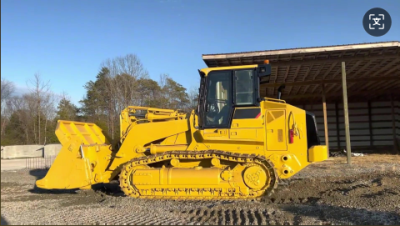
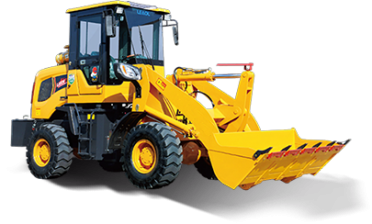
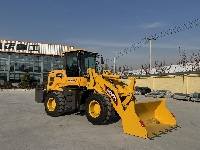
Against such market background, the manufacturer launched the new‑generation heavy‑duty wheel loader after multi‑year field research, simulation testing and iterative upgrading. This wheel loader targets two core working scenarios: earth‑moving, material stacking and truck loading for construction sites, and high‑frequency ore handling, rock loading and bulk material transfer for mining zones.
Strict Production and Quality Control Procedures
Every heavy‑duty wheel loader goes through standardized heavy‑equipment manufacturing workflows. Key frames, boom assemblies and bucket components adopt high‑strength wear‑resistant steel. Critical welding joints are completed by robotic automatic welding equipment to lower manual‑operation defects and improve anti‑fatigue performance under repeated heavy impact. After assembly is finished, each wheel loader undergoes multi‑stage factory validation: full‑load continuous‑operation simulation, hydraulic‑system pressure calibration, powertrain endurance test and dust‑environment simulation inspection. All units pass complete testing before shipment to overseas customers.
Engineers conducted field investigation on dozens of overseas worksites, collecting real‑world operation feedback from users of construction wheel loader and mining wheel loader. On‑site operating data guided optimization on frame reinforcement, heat‑dissipation layout, dust‑filter system and cab ergonomic design. Compared with previous‑generation products, the new wheel loader strengthens stress‑concentrated positions vulnerable to damage during rock loading and heavy‑duty construction cycles.
Core Technical Advantages for Construction and Mining Working Conditions
The new‑generation wheel loader integrates multiple targeted technical upgrades to satisfy strict requirements from construction and mining operations.
First, the optimized powertrain outputs stable high torque under heavy‑load status. Matched with upgraded heavy‑duty transmission assemblies, the wheel loader achieves smooth shifting during frequent digging‑loading cycles, reducing transmission failure risks when this machine works as a mining wheel loader. Tuned power output cuts comprehensive fuel consumption without sacrificing working capacity, lowering per‑ton material‑handling costs for project owners.
Second, reinforced‑structure design improves durability for tough jobsites. Heavy‑duty frame, high‑strength boom and enhanced bucket assembly withstand continuous impact from ore and rock. For construction wheel loader applications such as aggregate yards and large‑scale earthwork sites, increased breakout force shortens loading cycle time and raises daily handling capacity. Wear‑resistant protective accessories for buckets and hinge points extend service intervals and reduce spare‑part replacement frequency.
Third, intelligent hydraulic control raises operating efficiency. Load‑sensing hydraulic technology supplies flow according to real‑time working demands, accelerating boom response and reducing unnecessary power loss. Operators can finish digging, lifting, dumping and returning movements with smoother control. The cab applies dust‑proof and shock‑absorbing configuration, adapting to dusty mining zones and noisy construction sites for long‑shift operator comfort.
Fourth, maintainability‑oriented design simplifies on‑site servicing. Centralized service points support convenient routine inspection and component replacement. High‑efficiency dust‑proof filter assemblies are specially configured for heavy‑dust environments, solving the early‑aging engine problem that troubles many ordinary wheel loader models in mining‑area conditions.
Typical Application Scenarios
‑Construction projects: Highway building material loading, large‑site earth‑moving, aggregate yard stacking and transfer. In these scenarios, this construction wheel loader undertakes high‑frequency material‑handling tasks to guarantee project progress.
‑ Mining operations: Open‑pit mine ore loading, rock stock‑pile handling, mine‑site material transfer. As a reliable mining wheel loader, it adapts to heavy bulk materials and long‑duration continuous‑shift requirements.
Market Outlook: Matching the Wheel Loader to Future Global Procurement Trends
International buyers are gradually shifting evaluation focus from pure purchase price to total‑cost‑of‑ownership, covering fuel consumption, maintenance expenditure, component service life and machine uptime. The new‑generation heavy‑duty wheel loader is developed exactly for this market transformation.
For distributors and end‑users sourcing construction wheel loader or mining wheel loader products, equipment reliability directly influences project profit margins. Unexpected downtime caused by machine failures brings construction delays and mining‑output losses, which far exceed the gap of initial equipment purchase cost. This market logic explains why heavy‑duty, field‑verified wheel loader products keep expanding market share in global heavy‑equipment trade.
The manufacturer will continue to iterate this wheel loader product line. Customized options including different bucket capacities, various emission‑standard engines and multi‑function attachment interfaces are available to satisfy differentiated demands from regional clients. The product serves global markets covering Africa, Southeast Asia, Latin America, the Middle East and Central Asia, delivering trustworthy heavy‑duty material‑handling solutions for infrastructure construction and mineral‑resource exploitation.
FAQ — Questions Frequently Raised by Global B2B Buyers
Q1: What kind of working sites are suitable for this new‑generation heavy‑duty wheel loader?
A: This wheel loader is designed for medium‑to‑heavy‑intensity working conditions. It works efficiently both as a construction wheel loader for large‑scale earthwork, aggregate yards and highway projects, and as a mining wheel loader for open‑pit mines, rock stockyards and ore‑loading tasks. It fits high‑temperature and heavy‑dust environments, yet it is not applicable for underwater operations or extremely narrow confined‑space scenarios.
Q2: Can customers obtain customized configurations for local market requirements?
A: Yes. Buyers can select different bucket sizes, engine emission standards and wear‑resistant component upgrades. Available custom choices include reinforced mining‑purpose buckets, special dust‑proof kits for desert‑like sites and attachment interfaces for forks or grapples. Please provide detailed jobsite information when sending inquiries for accurate configuration suggestions.
Q3: What after‑sales and spare‑part support can overseas purchasers receive?
A: The manufacturer provides complete operation manuals, maintenance guides and global‑oriented warranty terms. Core assemblies such as engine and transmission are covered under warranty. Spare‑part catalogues support quick‑ordering service. Online remote‑technical guidance is available. Long‑term cooperative distributors can discuss regional‑warehouse spare‑part support separately.
Q4: What information should I prepare to get an accurate quotation for this wheel loader?
A: To obtain precise proposals, please offer your main application (construction or mining), required bucket capacity, local emission‑standard requirements, target delivery port and estimated purchase quantity. Brief description of your jobsite will help our team recommend optimal configuration and calculate relevant costs.