
Wheel Tractor: The Backbone of Mechanized Farming
Market Data and Growth Projections
The global wheel tractor market demonstrates substantial scale and steady growth. According to industry analyses, the global wheel tractor market was valued at approximately USD 68.4 billion in 2025 and is projected to reach USD 105.7 billion by 2034, reflecting robust demand across both mature and emerging agricultural markets. Alternative data sources place the 2025 market value at USD 89.4 billion, with the market climbing to USD 89.66 billion in 2026 and projected to reach USD 110.93 billion by 2032, underscoring the market's significant size and consistent expansion trajectory.
The broader tractor market provides additional context. The global tractor market was valued at USD 95.03 billion in 2026 and is projected to reach USD 126.18 billion by 2031, growing at a CAGR of 5.83%. The agricultural tractor segment specifically is projected to grow from USD 68.70 billion in 2026 to USD 116.30 billion by 2034, expanding at a CAGR of 6.8%. These growth rates reflect the fundamental importance of tractors in global food production and the ongoing mechanization of farming in developing regions.
Regional dynamics play a crucial role in shaping the market. Asia Pacific dominates the global agricultural tractor market with a 49.64% share in 2025, driven by massive farming populations, government mechanization programs, and rapid agricultural modernization in countries such as India, China, and Southeast Asian nations. South America represents the fastest-growing regional market, buoyed by expanding commercial agriculture in Brazil and Argentina. North America and Europe maintain stable demand driven by fleet replacement cycles, technology upgrades, and the adoption of precision agriculture systems.
The broader farm machinery equipment sector further contextualizes the tractor's importance. The global agriculture equipment market was valued at USD 176.0 billion in 2025 and is projected to grow to USD 295.3 billion by 2033 at a CAGR of 7.0%. The global farm mechanization market, valued at USD 186.9 billion in 2025, is projected to reach USD 329.7 billion by 2034, growing at a CAGR of 6.5%. Within this landscape, the wheel tractor accounts for the largest single product category, serving as the power source for a vast ecosystem of implements and attachments.
The Rise of Mechanization in Emerging Markets
One of the most significant growth drivers for the farm wheel tractor is the accelerating mechanization of agriculture in emerging economies. In many developing regions, smallholder farmers are transitioning from animal-powered and manual farming methods to mechanized operations, supported by government subsidies, cooperative purchasing programs, and the availability of affordable, durable tractor models. The Asia Pacific smallholder mechanization segment is growing at an estimated CAGR of 7.8%, significantly outpacing the mature market growth rate of 2.1% in North America. This trend creates substantial opportunities for manufacturers and exporters offering reliable, cost-effective wheel tractor solutions tailored to the specific needs of small and medium-sized farms.
Technology Behind the Wheel Tractor
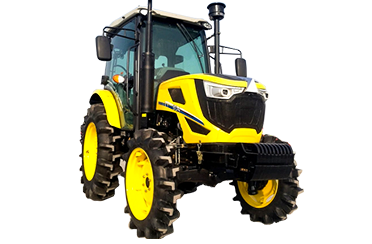
A modern wheel tractoris a sophisticated integration of powertrain engineering, hydraulic systems, electronic controls, and operator-centric design. At its core, a diesel engine—typically ranging from 20 horsepower for compact models to over 500 horsepower for large articulated units—delivers high torque at low speeds, the essential characteristic for agricultural work. The engine connects to a transmission system that may be a synchronized gearbox, a powershift transmission, or a continuously variable transmission (CVT), each offering different trade-offs between simplicity, efficiency, and operator convenience.
The rear axle and optional front axle provide power to the wheels, with four-wheel drive (4WD) configurations increasingly standard for modern tractors due to their superior traction in wet or hilly conditions. The hydraulic system powers the three-point hitch—a standardized connection system that allows the tractor to lift, lower, and control a vast array of implements—as well as remote hydraulic outlets for powering attachments such as loaders, backhoes, and mowers. The power take-off (PTO) shaft transfers rotational power to implements such as rotary tillers, mowers, balers, and pumps, making the tractor a truly versatile power platform.
Modern wheel tractor models incorporate numerous advanced technologies, including electronic engine management systems that optimize fuel efficiency and reduce emissions; onboard diagnostic systems that monitor performance and alert operators to maintenance needs; telematics connectivity for remote monitoring and fleet management; and precision agriculture integration, including GPS guidance, auto-steering, and section control systems that enable precise field operations and reduce input waste. Operator cabins have evolved significantly, featuring ROPS-certified structures, climate control, ergonomic seating, multi-function joysticks, and digital instrument displays that enhance comfort and productivity during long working hours.
Manufacturing and Application Process
The manufacturing of a wheel tractor begins with the fabrication of the main chassis and frame, typically constructed from high-strength steel using precision cutting and robotic welding to ensure structural integrity under heavy loads. The engine, transmission, and axles are assembled and tested as modular units before being mounted to the chassis. The hydraulic system—including pumps, valves, cylinders, and the three-point hitch assembly—is then installed and connected, followed by the electrical system, wiring harness, and electronic control units.
The operator cabin is assembled as a separate module, with glass, seating, controls, and instrumentation installed before the cabin is mounted to the chassis via vibration-isolating mounts. Wheels and tires—selected based on the tractor's intended application, with agricultural R-1 lug tires for field work and turf tires for municipal or landscaping use—are then fitted. Final assembly includes filling of fluids (engine oil, coolant, hydraulic fluid, fuel), comprehensive testing including engine run-in, hydraulic pressure verification, brake system testing, PTO engagement testing, and road/field performance validation, followed by quality inspection and preparation for shipment.
In field application, a farm wheel tractor serves as a multi-purpose power source. During primary tillage, it pulls plows, chisel plows, or subsoilers to break up and turn the soil. For secondary tillage, it powers harrows, cultivators, and rotary tillers to prepare a fine seedbed. During planting season, it pulls seed drills, planters, and transplanters, often with precision guidance systems ensuring accurate row spacing and seed placement. Throughout the growing season, it powers sprayers for crop protection, mowers for weed control, and loaders for material handling. At harvest, it may pull grain carts, balers, or forage harvesters, and it handles transportation tasks by pulling trailers loaded with crops, inputs, and equipment. This remarkable versatility is what makes the wheel tractor the indispensable backbone of mechanized farming.
Key Advantages for B2B Buyers
Investing in a high-quality wheel tractor delivers substantial operational and financial benefits for B2B buyers. The machine's versatility is perhaps its greatest advantage: a single tractor can perform dozens of different tasks when paired with the appropriate implements, eliminating the need for multiple specialized machines and significantly reducing capital expenditure. This versatility is particularly valuable for small and medium-sized farms with limited equipment budgets, as well as for agricultural contractors who need to serve diverse customer needs with a flexible fleet.
Fuel efficiency and operational cost control are increasingly important purchasing criteria, and modern tractors incorporate numerous technologies to reduce fuel consumption, including electronic engine management, load-sensing hydraulics, eco-mode settings, and advanced transmission designs that optimize engine operating speed. For farms operating tractors for hundreds or thousands of hours annually, even modest fuel efficiency improvements translate to significant annual savings.
Durability and long service life are hallmarks of well-constructed farm wheel tractor models. With proper maintenance, a quality tractor can provide 15 to 25 years or more of reliable service, making it one of the most cost-effective investments in farm machinery equipment. Many manufacturers offer comprehensive warranty programs, global parts distribution networks, and authorized service centers—factors that B2B buyers should carefully evaluate, particularly when purchasing equipment for use in remote regions or countries with limited service infrastructure.
Resale value is another important consideration. Tractors from well-known manufacturers with documented maintenance histories typically retain strong resale value, reducing the total cost of ownership. For B2B buyers managing fleet replacement cycles, selecting brands and models with strong market recognition and good parts availability can significantly improve residual values and reduce long-term fleet costs.
Market Trends: What's Shaping the Future
Several major trends are reshaping the wheel tractor market and influencing B2B purchasing decisions. First, precision agriculture technologies are becoming increasingly integrated into tractor design. Smart farming equipment adoption has crossed 29% among large commercial farms, and features such as GPS auto-steering, variable rate application, section control, and real-time data logging are moving from premium options to standard features on many new tractor models. These technologies enable farmers to reduce input costs, minimize environmental impact, and improve crop yields, creating strong demand for tractors equipped with precision farming capabilities.
Second, electrification and alternative powertrains are emerging as transformative trends. While diesel engines remain dominant in the tractor market, manufacturers are investing in hybrid, battery-electric, and alternative fuel powertrains, driven by environmental regulations, emissions reduction goals, and the potential for lower operating costs. Autonomous tractor development programs from major manufacturers and technology specialists are advancing toward commercial deployment, with initial offerings targeting large-scale grain and row-crop operations. While fully autonomous and electric tractors represent a small fraction of current sales, these technologies are expected to gain significant market share over the next decade, and B2B buyers should consider future compatibility when making purchasing decisions.
Third, sustainability and environmental regulations are increasingly influencing tractor design and procurement. Emissions standards such as Stage V in Europe and Tier 4 Final in North America have driven significant improvements in engine efficiency and emissions reduction. Manufacturers are increasingly using recycled materials, designing for easier component remanufacturing, and offering engine retrofit programs that extend equipment life while reducing emissions. B2B buyers are incorporating sustainability criteria into procurement decisions, driven by corporate ESG commitments, regulatory requirements, and consumer demand for sustainably produced food.
Finally, the growth of agricultural contracting and custom farming services is creating demand for high-horsepower, versatile tractors that can operate efficiently across multiple farms and applications. As farm sizes consolidate and specialized contractors handle an increasing share of field operations, the demand for durable, high-capacity wheel tractor models with advanced features and strong residual values is expected to grow.
Frequently Asked Questions (FAQ)
What is the difference between a 2-wheel drive and 4-wheel drive wheel tractor?
A 2-wheel drive (2WD) wheel tractor delivers power only to the rear wheels, while a 4-wheel drive (4WD) tractor powers both front and rear axles. 4WD tractors offer significantly better traction in wet, muddy, or hilly conditions, reduce soil compaction by distributing weight across four wheels, and provide more pulling power for heavy implements. They are generally preferred for large-scale farming, heavy tillage, and challenging terrain. 2WD tractors are simpler, less expensive, and more maneuverable for light-duty tasks, making them suitable for small farms, orchards, and municipal applications. Most modern mid-size and large tractors are offered in 4WD configurations, and 4WD has become increasingly standard even in smaller horsepower ranges.
What horsepower range should I choose for my farm operation?
The appropriate horsepower for a farm wheel tractor depends on the size of the farm, the types of implements used, and the specific crops and terrain. Compact tractors (20-40 HP) are suitable for small farms, gardens, and light-duty tasks such as mowing and light tillage. Mid-size tractors (40-100 HP) are the most versatile range, capable of handling most farming tasks including plowing, planting, spraying, and material handling on medium-sized farms. Large tractors (100-200 HP) are designed for heavy tillage, large implements, and high-acreage operations. High-horsepower tractors (200+ HP) and articulated tractors are used for large-scale commercial farming, heavy draft work, and agricultural contracting. B2B buyers should consult with equipment specialists to match tractor horsepower to specific implement requirements and operational needs.
What maintenance is required to keep a wheel tractor running reliably?
Regular maintenance is essential to maximize the lifespan and reliability of a wheel tractor. Daily checks include engine oil, coolant, hydraulic fluid, and fuel levels; inspection of tires for wear and proper inflation; and visual checks for fluid leaks and loose hardware. Periodic maintenance—typically every 50, 100, 200, and 500 operating hours—involves engine oil and filter changes, fuel filter replacement, hydraulic filter service, transmission and axle oil checks, greasing of all pivot points and fittings, and inspection of brakes, clutch, and PTO components. Annual maintenance includes more thorough inspections, replacement of worn belts and hoses, cooling system service, and detailed undercarriage and electrical system examination. Following the manufacturer's maintenance schedule, using genuine parts and recommended fluids, and keeping detailed maintenance records are essential to preserve warranty coverage, maximize resale value, and ensure reliable operation over the tractor's long service life.
What is the typical lifespan and resale value of a farm wheel tractor?
A well-maintained farm wheel tractor typically has a service life of 15 to 25 years or 8,000 to 15,000 operating hours, depending on application intensity, maintenance quality, and operating environment. Many tractors exceed 20,000 hours with proper care, particularly in moderate-duty applications. Resale values vary by brand, model, horsepower, condition, and regional market demand, with well-known brands and low-hour machines typically retaining 40-60% of their original value after five years and 25-40% after ten years. Tractors with 4WD, cabs, and modern features generally retain value better than basic 2WD models. For B2B buyers, selecting machines with strong brand recognition, good parts availability in the target market, and documented maintenance histories can significantly improve resale value and reduce total cost of ownership.
Conclusion
The wheel tractor remains the indispensable backbone of mechanized farming, offering unmatched versatility, durability, and productivity for agricultural operations of all sizes. With a global market valued at tens of billions of dollars and growing steadily, driven by agricultural mechanization in emerging economies, fleet modernization in mature markets, and ongoing technological advancement, the demand for high-quality farm wheel tractor solutions continues to strengthen. For B2B buyers—whether managing a farm cooperative, operating an agricultural contracting business, or running an equipment dealership—investing in reliable, fuel-efficient, and technologically capable tractors means improved operational efficiency, reduced lifecycle costs, and a durable foundation for sustainable agricultural productivity.