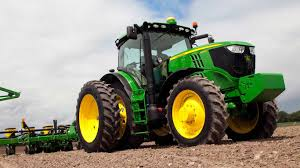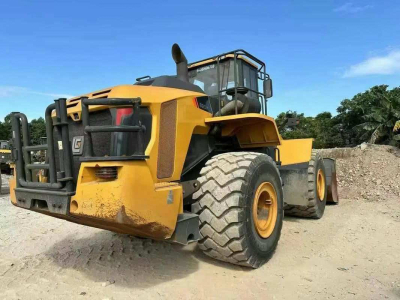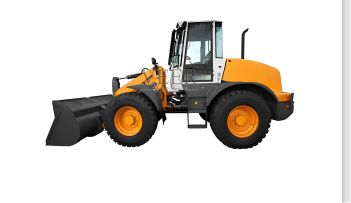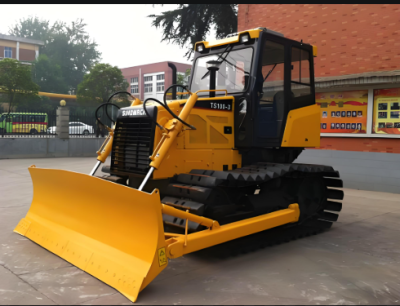
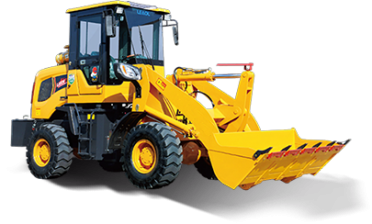

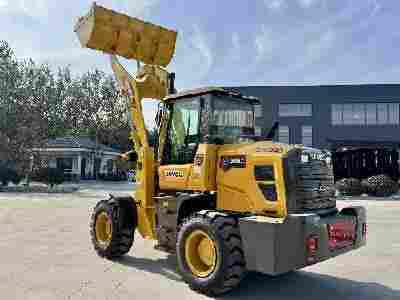
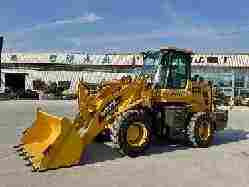
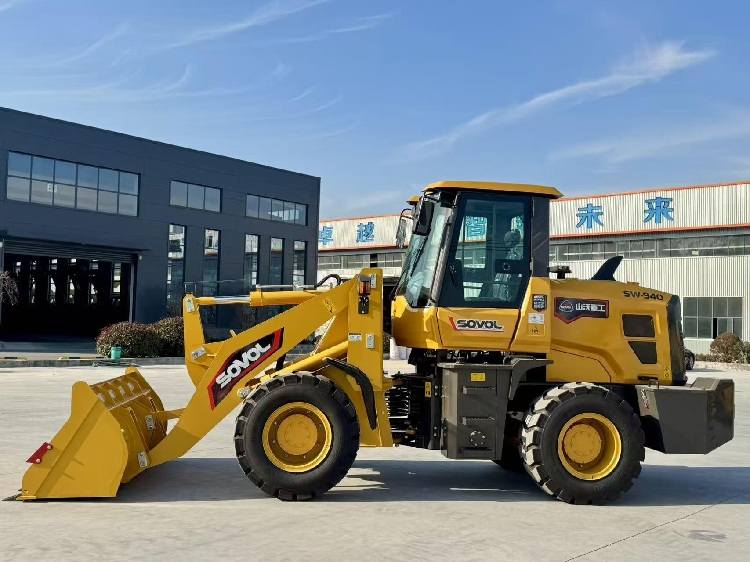
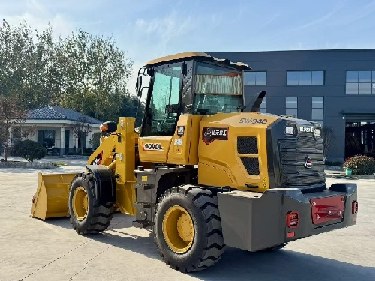
wheel loader
Powerful diesel engine and advanced hydraulic system deliver fast cycle times and outstanding loading efficiency.
Reinforced steel frame and wear-resistant bucket ensure long-term durability in heavy-duty mining and construction sites.
Spacious, ergonomic cab with panoramic visibility keeps operators comfortable and productive all day long.
Quick-coupler design supports buckets, forks, grapples and snow blades for maximum versatility across industries.
Fuel-efficient powertrain and easy-access maintenance points significantly lower operating costs and downtime.
Comprehensive safety features and global after-sales support provide reliable performance and peace of mind.
Product Details
Key Features and Specifications
Powerful Engine and Hydraulic System
At the heart of every wheel loader we produce is a high-performance diesel engine that delivers exceptional power and torque. Available in multiple horsepower configurations ranging from 60 HP for compact models to over 300 HP for heavy-duty units, our loaders ensure reliable performance in the most demanding working conditions. The engine is paired with an advanced hydraulic system that provides fast cycle times, smooth bucket operation, and precise control.
The load-sensing hydraulic system automatically adjusts flow and pressure according to the workload, optimizing fuel efficiency without compromising performance. With lifting capacities ranging from 1 ton to over 8 tons, our wheel loaders can handle everything from light landscaping materials to heavy quarry aggregates. The breakout force is engineered to penetrate dense materials effortlessly, reducing the time required for each loading cycle.
Durable Structure and Heavy-Duty Build
Durability is a hallmark of our products as a trusted wheel loader manufacturer. The chassis is constructed from high-strength steel with reinforced structural joints, ensuring resistance to torsional stress and impact loads. The articulated frame design provides excellent maneuverability and weight distribution, allowing the wheel loader to operate safely on uneven terrain.
The bucket is fabricated from wear-resistant Hardox steel with replaceable cutting edges and teeth, extending service life even in abrasive environments such as mining and quarrying. Key pivot points use self-lubricating bushings and hardened pins to reduce maintenance requirements and prevent premature wear. Every construction wheel loader undergoes rigorous testing, including 2,000-hour accelerated life tests, to ensure long-term reliability.
Operator Comfort and Safety
We understand that operator comfort directly impacts productivity. Our wheel loaders feature a spacious, ergonomically designed cab with panoramic visibility, reducing blind spots and enhancing job site safety. The cab is mounted on viscous shock absorbers to minimize vibration, while the air-suspension seat with lumbar support ensures comfort during long working hours.
The fully adjustable steering column, intuitive control layout, and responsive joystick allow operators to work efficiently with minimal fatigue. Standard safety features include ROPS/FOPS certification, a reliable dual-circuit braking system, rear-view camera, and audible reverse alarm. Optional extras such as air conditioning, heated seats, and Bluetooth connectivity are available to further enhance the operating environment.
Versatility and Attachment Compatibility
One of the greatest advantages of a wheel loader is its versatility. Our machines are equipped with a universal quick-coupler system that allows rapid attachment changes without leaving the cab. Compatible attachments include general-purpose buckets, rock buckets, light-material buckets, pallet forks, log grapples, snow blades, and sweepers.
This versatility makes our construction wheel loader suitable for a wide range of applications beyond traditional loading tasks. From material handling in warehouses to snow removal in winter and forestry operations, a single wheel loader can replace multiple specialized machines, significantly reducing capital expenditure for contractors and fleet managers.
Fuel Efficiency and Environmental Compliance
As environmental regulations become increasingly stringent, our wheel loader manufacturer engineering team has prioritized fuel efficiency and emissions reduction. The engines meet EPA Tier 4 Final and EU Stage V emission standards, utilizing advanced exhaust after-treatment systems including DPF and SCR technology.
The eco-mode operation optimizes engine speed and hydraulic output for light-duty tasks, reducing fuel consumption by up to 15% compared to conventional loaders. The automatic idle shutdown feature further saves fuel during periods of inactivity. For customers seeking zero-emission solutions, we also offer electric wheel loader models with lithium-ion battery packs, ideal for indoor operations and urban construction sites with strict emission requirements.
Applications
Construction and Infrastructure
The construction wheel loader is a workhorse on building sites, responsible for loading and transporting soil, gravel, sand, and construction debris. Its ability to navigate tight spaces and load trucks efficiently makes it essential for residential, commercial, and infrastructure projects. From small-scale renovations to mega-projects such as highways, bridges, and airports, our wheel loaders deliver consistent performance.
Mining and Quarrying
In mining and quarry operations, wheel loaders are used for loading blasted rock, ore, and aggregates into haul trucks. Our heavy-duty models with high breakout force and reinforced buckets are specifically designed to withstand the abrasive materials and continuous operation typical of mining environments.
Agriculture and Forestry
Farmers and forestry operators use wheel loaders for handling grain, hay bales, manure, timber, and feed. The compact models are particularly popular in agricultural settings due to their maneuverability in confined farmyards and ability to operate on soft ground without causing significant soil compaction.
Material Handling and Logistics
In warehouses, ports, and recycling facilities, wheel loaders equipped with pallet forks or grapple attachments efficiently move bulk goods and recycled materials. Their high mobility and lifting capacity make them a cost-effective alternative to traditional forklifts in outdoor and rough-terrain environments.
Market Trends and Future Outlook
The wheel loader industry is undergoing significant transformation driven by technological advancement and environmental concerns. Electrification is accelerating rapidly, with the electric construction equipment market projected to reach USD 13.81 billion by 2033. Electric loaders currently account for the largest share of this market, driven by falling battery costs and tightening emission regulations, particularly in Europe and North America.
Digitalization is another key trend. Modern wheel loaders are increasingly equipped with IoT-enabled telematics systems that provide real-time monitoring of machine health, fuel consumption, and operator performance. This data enables predictive maintenance, reduces downtime, and optimizes fleet management. As a progressive wheel loader manufacturer, we integrate these smart technologies into our products to help customers achieve higher operational efficiency.
The demand for compact and mid-sized wheel loaders is also rising, fueled by urbanization and the growth of residential construction in confined spaces. These versatile machines offer the power of larger loaders in a more maneuverable package, making them ideal for city-based projects.
Why Choose Us as Your Wheel Loader Manufacturer
With extensive experience in designing and manufacturing construction machinery, we have established ourselves as a reliable wheel loader manufacturer serving customers across more than 80 countries. Our commitment to quality is reflected in our ISO 9001 certification and CE compliance for all export models.
We offer comprehensive after-sales support, including a global parts distribution network, technical training for service technicians, and responsive customer service. Every wheel loader comes with a standard warranty, and extended warranty options are available for additional peace of mind. Our flexible manufacturing capabilities also allow for customization, including special paint colors, attachment packages, and configuration adjustments to meet regional requirements.
FAQ
Q: What is the typical lifespan of a wheel loader?
A: With proper maintenance, a well-built wheel loader can operate for 10,000 to 15,000 hours or more. Regular servicing, timely fluid changes, and proper operator training are key factors in maximizing machine lifespan.
Q: How do I choose the right size wheel loader for my operation?
A: Consider your typical material density, required bucket capacity, lifting height, working space, and the trucks or containers you need to load. Our sales engineers can help you select the optimal model based on your specific application.
Q: What is the fuel consumption of a construction wheel loader?
A: Fuel consumption varies by model and application. A 3-ton wheel loader typically consumes 8 to 12 liters per hour under normal working conditions, while larger 5-ton models may use 15 to 20 liters per hour. Our eco-mode feature can reduce consumption by up to 15%.
Q: Do you provide OEM and customization services?
A: Yes, as an experienced wheel loader manufacturer, we offer OEM services and extensive customization options, including custom attachments, cabin configurations, and branding to meet your specific market needs.
Q: What warranty and after-sales support do you offer?
A: We provide a standard 12-month or 2,000-hour warranty, along with a global spare parts network, online technical support, and on-site service options in select regions. Extended warranty packages are also available.
Conclusion
Investing in a high-quality wheel loader is a strategic decision that directly impacts your operational efficiency and profitability. As a dedicated wheel loader manufacturer, we combine robust engineering, advanced technology, and comprehensive support to deliver machines that perform reliably day after day. Whether you require a versatile construction wheel loader, a compact unit for urban projects, or an electric model for emission-sensitive environments, our product range has you covered. Contact us today to discuss your requirements and discover how our wheel loaders can elevate your business.
| Rated Load | 3,000 kg |
| Operating Weight | 10,500 kg |
| Bucket Capacity (Rock) | 1.5 m³ |
| Bucket Capacity (Light Material) | 2.5 m³ |
| Maximum Breakout Force | 110 kN |
| Maximum Traction Force95 kN | 95kN |
| Maximum Dumping Height | 3,150mm |
| Maximum Dumping Reach | 980mm |
| Minimum Turning Radius (Outer Tire) | 5,200mm |
| Minimum Turning Radius (Bucket Edge)5,900 mm | 5,900mm |
Leave your messages