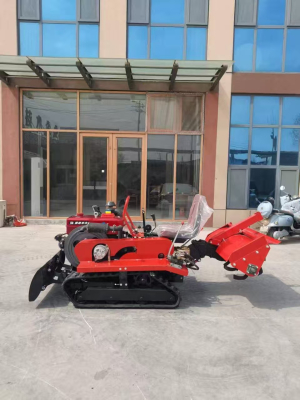
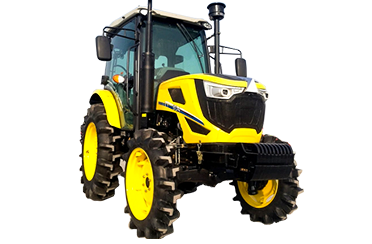



Mini Tractor
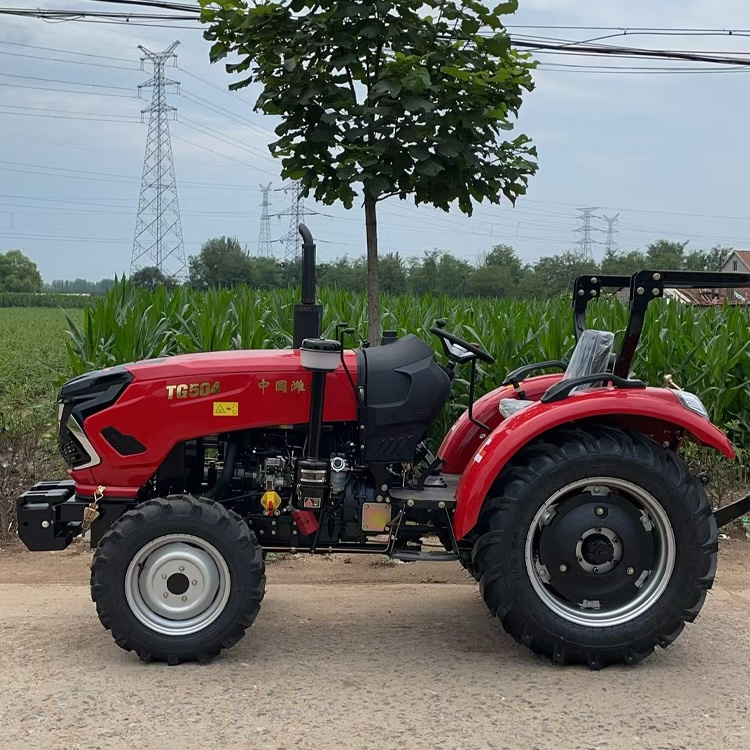
1. Compact body & small turning radius for orchards and greenhouses.
2. Optional 2WD / 4WD delivers strong traction on sloped and muddy farmland.
3. Standard 3-point hitch and PTO support multiple farm implements.
4. High-torque diesel engine provides stable power with low fuel consumption.
5. Ergonomic controls and optional ROPS ensure safe and easy operation.
6. Reinforced frame & common spare parts cut maintenance time and costs.
Product Details
Compact Body Design & Superior Field Maneuverability
The core advantage of the Compact Tractor lies in its ultra-compact body structure and minimal turning radius. Large tractors often fail to enter narrow orchard rows, greenhouse passages, small vegetable plots and cramped rural yards, while our Mini Tractor can freely shuttle in limited working spaces without damaging crops, soil or greening facilities. The optimized narrow body design and reasonable wheelbase greatly improve flexibility during inter-row tillage, weeding, fertilizing and spraying operations, which is especially suitable for intensive planting scenarios.
In addition, the lightweight chassis effectively reduces ground pressure, avoiding soil compaction and protecting crop root systems. The machine can adapt to various complex field environments, including sloped farmland, muddy plots and uneven rural roads. With flexible hydraulic steering and sensitive response, operators can complete accurate positioning and flexible turning with simple operation, greatly improving working efficiency in scattered and small-area farmland operations.
Powerful & Energy-Saving Power Performance
Although small in size, our Mini Tractor is equipped with a high-quality high-torque diesel engine, providing stable and sufficient power output for various farm tasks. The engine features low-speed high-torque performance, which can easily cope with heavy-load operations such as rotary tillage, deep ploughing and soil loosening. Compared with ordinary small farm machinery, this Compact Tractor is precisely calibrated in power matching, effectively reducing idle fuel consumption and improving overall energy efficiency.
The advanced hydraulic system provides stable lifting force and smooth power transmission, ensuring coordinated and efficient operation during tool lifting, lowering and traction work. Even during long hours of continuous field operation, the machine maintains stable power output without overheating or power attenuation. Multiple horsepower options are available to meet different working intensities, from daily garden maintenance and light soil finishing to heavy-duty farmland ploughing and land reclamation.
Multi-Functional Expansion for Diversified Farm Work
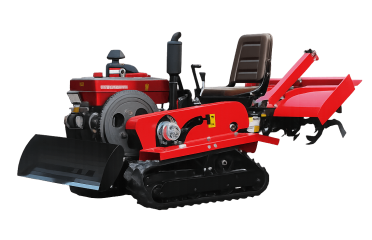
As a high-value upgraded model in the series, the Multi Functional Mini Tractor supports a complete set of universal agricultural interfaces, including standard three-point hitch and full-range PTO power output. It can be quickly matched with various farm implements such as rotary tillers, plows, harrows, seeders, mowers, ditchers, sprayers and farm trailers. Without purchasing multiple single-function machines, users can complete ploughing, tilling, sowing, mowing, ditching, fertilizing, transportation and snow removal with only one tractor.
This powerful multi-functional capability greatly improves equipment utilization rate and effectively reduces farmers’ procurement costs and storage pressure. In different seasons and working scenarios, the Multi Functional Mini Tractor can switch working modes freely: it performs soil preparation and sowing in spring, field management and weeding in summer, land cleaning and harvesting transportation in autumn, and snow removal and yard tidying in winter. It truly realizes one machine for all agricultural purposes, bringing greater economic benefits for small farms and family planting bases.

Durable Structure & Long Service Life
Our Mini Tractor adopts an integral high-strength welded steel frame, with thickened reinforcement plates installed at key stress points such as chassis, suspension and connection brackets. The overall structure features strong torsion resistance, impact resistance and deformation resistance, which can withstand long-term vibration and load impact in complex farmland environments. The transmission system is made of high-strength wear-resistant materials, effectively reducing gear wear and extending the service life of core components.
The Compact Tractor is equipped with high-standard sealing parts and multi-stage filtration devices, which effectively block farm dust, sediment and sundries from entering the engine and hydraulic system. It greatly reduces the failure rate of oil leakage, blockage and component abrasion. Whether working in dry and dusty open fields or humid and muddy paddy fields and orchards, the machine can maintain stable operating condition and realize long-term durable operation.
Humanized Operation & Comprehensive Safety Protection
All Mini Tractor and Multi Functional Mini Tractor models adopt ergonomic design, with simple and intuitive operating levers, flexible steering wheels and adjustable comfortable seats. The operation threshold is low, and novice operators can quickly get started without professional training. The open operating platform provides a wide field of vision, allowing drivers to clearly observe the working status of rear farm tools and surrounding field conditions, ensuring accurate and safe operation.
To further improve operation safety, the tractor is equipped with standard emergency stop device, hydraulic self-locking system and safety warning lights. The optional ROPS rollover protection frame can effectively protect the operator when working on sloped farmland, preventing safety accidents caused by accidental tilting. The optimized shock absorption and noise reduction structure greatly reduce driving fatigue during long-time continuous operation, improving overall working comfort and efficiency.
Low Maintenance Cost & High Economic Return
The whole series of Compact Tractor and Multi Functional Mini Tractor adopts a modular layout for engines, hydraulic pipelines and electrical components. The open maintenance structure allows convenient daily inspection, oil replacement and filter element replacement, greatly simplifying later maintenance steps. All wearing parts are standardized and universal accessories in the market, with low prices and easy procurement, effectively reducing long-term operation and maintenance costs.
With low failure rate, low fuel consumption and strong multi-scenario adaptability, our Mini Tractor can maintain high-efficiency operation throughout the year. It effectively solves the problems of single function, high energy consumption and poor flexibility of traditional small farm machines. It is a cost-effective, practical and reliable agricultural machine, widely suitable for global small farms, orchards, greenhouses, municipal greening and rural engineering projects, bringing stable and high return on investment for users.
Leave your messages