
Hand‑Held Weeder Grows in Home Gardening Sector
Hand‑Held Weeder Grows in Home Gardening Sector
Global Industry Background for Compact Garden Weeding Equipment
The global home gardening movement has established solid market foundations for small‑size garden machinery in recent years. After the pandemic, millions of households across North America, Western Europe, and parts of Southeast Asia began investing in backyard vegetable plots, raised‑bed planting and balcony horticulture, which directly lifted market demand for lightweight garden equipment. According to industrial market research, the worldwide residential garden‑tool segment maintains a compound annual growth rate of 5.2% from 2025 to 2034, with handheld power gardening devices standing out as one of the fastest‑growing sub‑categories.
Traditionally, home gardeners relied on manual hoes, hand forks or chemical herbicides for weed management. Chemical‑free organic gardening philosophy is reshaping end‑user purchasing decisions; more private garden owners refuse herbicide sprays near home‑grown vegetables and ornamental plants. This cultural shift creates substantial commercial space for the hand‑held weeder, a portable weeding tool built for precise weed removal without chemical inputs. Retail channels including home‑improvement physical stores and cross‑border e‑commerce platforms have expanded shelf space for the hand‑held weeder year by year, connecting Asian manufacturers with residential buyers and small landscaping contractors in western markets.
While large walk‑behind cultivators dominate commercial farmland work, the home gardening sector calls for lighter, compact machinery that works within narrow planting rows, small flower beds and uneven backyard terrain. Many amateur gardeners cannot operate heavy farm equipment; therefore product weight, vibration control and simple operation have become core evaluation indicators when selecting a garden weeder.
Market Trend Analysis of Hand‑Held Weeder in Residential Markets
Key Regional Demand Distribution
Demand for the hand‑held weeder shows obvious regional differences. North America remains the largest single regional consumer market, where high local labour costs encourage household buyers to replace slow manual hoeing with power‑assisted portable weeding tool devices. European markets, driven by strict environmental regulations, prefer battery‑electric hand‑held weeder variants over two‑stroke gasoline versions; noise restriction rules for suburban residential yards further accelerate electric model adoption. In emerging markets of Southeast Asia and Latin America, small‑scale family orchards and backyard vegetable gardens generate steady incremental demand, yet local buyers demonstrate stronger price sensitivity compared with European and North‑American end consumers.
Core Market Drivers and Restraining Factors
Several sustainable drivers keep pushing market expansion for the garden weeder. First, the continuously rising participation rate of home gardening households delivers a growing base of potential end‑users. Second, public awareness of organic home‑grown food discourages herbicide usage. Third, ergonomic improvements reduce physical fatigue for older gardeners, expanding eligible user groups.
On the restraining side, market players still face notable challenges. Many budget‑oriented customers compare the hand‑held weeder purely against cheap manual hand tools; price pressure limits profit margins for mid‑tier suppliers. Product performance limits in rocky or heavily compacted clay soil also bring negative user feedback, which affects word‑of‑mouth sales for the garden weeder category across online retail marketplaces.
Product Structure, Technical Parameters and Manufacturing Workflow
Typical Mechanical Structure of Hand‑Held Weeder
A standard hand‑held weeder consists of five core assemblies: power unit, transmission shaft, working tine head, operating handle and anti‑vibration damping system. For gasoline‑powered versions, the power unit is a small‑displacement two‑stroke or four‑stroke internal combustion engine. Electric portable weeding tool models adopt lithium‑ion battery packs paired with brushless DC motors. The rotating tine head is fitted with hardened steel rotary blades responsible for breaking top‑layer soil and severing weed roots. The rubber‑coated ergonomic handle aims to lower hand vibration transferred from the running machine during continuous garden operation.
Representative Technical Specifications for Mainstream Models
Most commercial‑grade garden weeder products for home gardening markets follow these general technical benchmarks:
- Net operating weight: 4.5 kg‑8.2 kg
- Working width of rotary tine head: 120 mm‑220 mm
- Maximum weeding depth: 20‑60 mm
- Electric variant motor power: 400‑750 W; battery voltage options: 18 V‑36 V lithium‑ion
- Gasoline variant engine displacement: 25cc‑43cc
- Certification requirements for EU and North‑America shipments: CE, RoHS, IP54 dust‑water protection rating for electric units.
Manufacturers must balance working power and overall machine weight. Excessively heavy hand‑held weeder models quickly cause operator fatigue during long‑time garden maintenance, while underpowered units cannot cut tough weed roots effectively. This weight‑power trade‑off represents a central consideration for engineering teams during new‑product development.
Brief Manufacturing and Quality Control Workflow
Mass production of the hand‑held weeder starts with metal stamping for rotary tines and shaft components. After stamping, metal parts receive heat‑treatment hardening and anti‑rust surface coating. Motor or engine units are sourced from certified component suppliers. The assembly line proceeds step‑by‑step: shaft installation, power unit mounting, handle assembly, damping component fitting, then finished‑product testing.
Final quality inspection includes running tests for vibration, no‑load rotation check, safety guard verification and certification compliance sampling. Defective units are filtered out before packing. For export‑oriented factories, batch testing is critical, as non‑compliant portable weeding tool shipments may be detained at destination customs.
International Buyers’ Procurement Preferences and Existing Pain Points
Wholesale buyers including importers, garden‑tool distributors and cross‑border online sellers have formed relatively clear preferences when sourcing the garden weeder for home‑gardening retail channels.
First, modern buyers expect modular design. Interchangeable working heads allow one hand‑held weeder to switch between weeding, shallow soil loosening and small‑scale trimming functions. Multi‑function modular configurations help retailers reduce overall SKU inventory pressure. Second, ergonomic upgrades are valued highly; anti‑vibration handles and adjustable‑length shafts rank high on buyer requirement lists. Third, complete certification documentation is non‑negotiable for European and North‑American importers; they will reject goods without valid CE or related safety certificates.
Nevertheless, global purchasers frequently report several persistent pain points when sourcing portable weeding tool machinery from Asian factories. The first common complaint is inconsistent component quality across different production batches. Some low‑cost batches deliver rotary tines that wear rapidly after short usage cycles, triggering high after‑sales return rates for retailers. Secondly, many generic hand‑held weeder products lack localized user manuals in English, German, French and Spanish; incomplete documentation creates extra customer‑service workload for downstream importers. Thirdly, lead‑time uncertainty remains a major concern, especially during the pre‑spring peak gardening procurement season when factory order backlogs cause shipment delays.
Smart B2B buyers now tend to cooperate with manufacturers that provide pre‑shipment inspection services, multi‑language user guides, and flexible MOQ arrangements for small trial orders, instead of only chasing the lowest unit price.
Frequently Asked Questions (FAQ)
Q1: What is the main difference between a hand‑held weeder and a walk‑behind weeding cultivator?
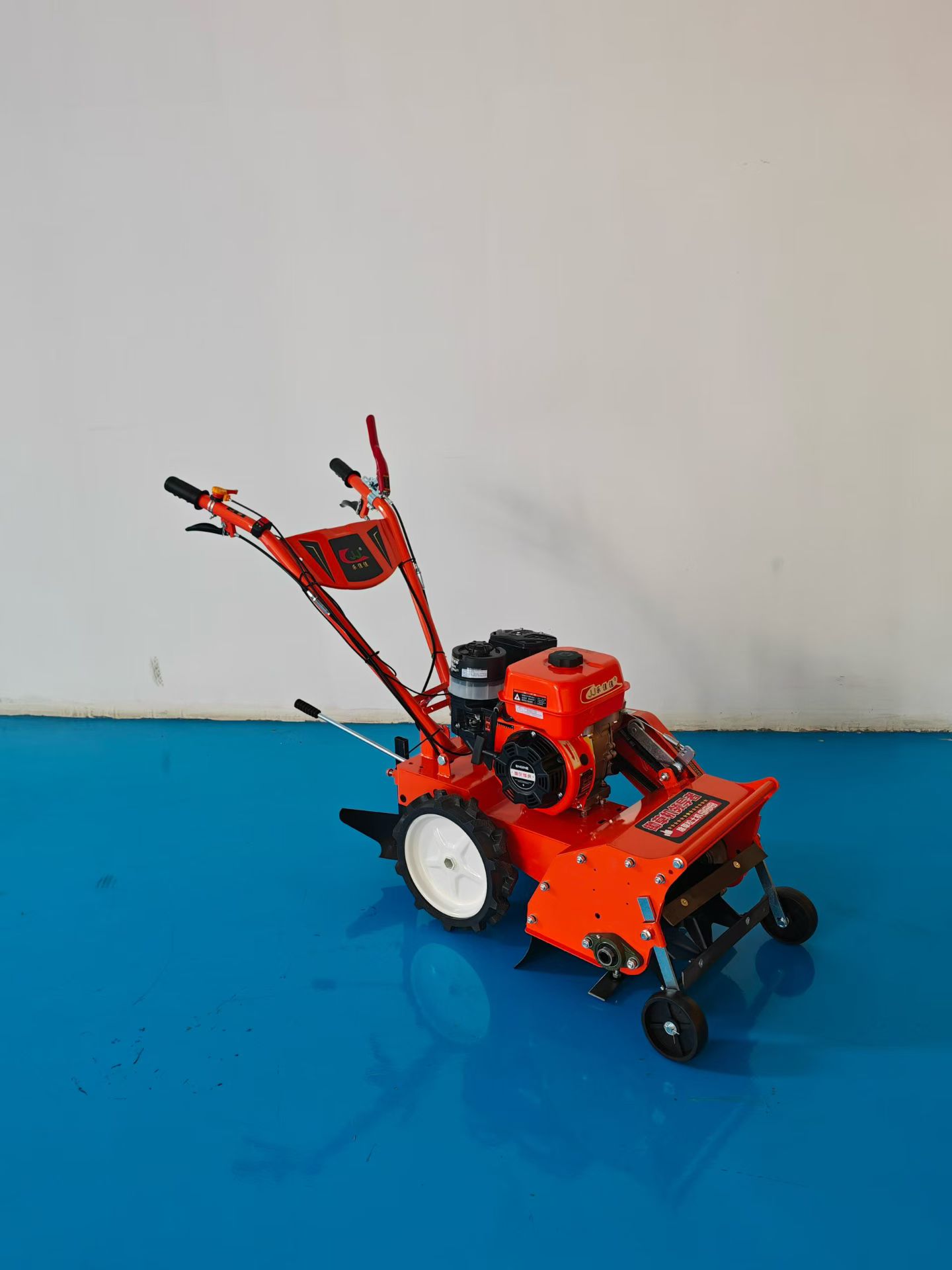
A: The hand‑held weeder is lightweight, handheld or shoulder‑supported portable weeding tool designed for small garden plots. A walk‑behind weeding cultivator has its own ground wheels; operators walk behind the machine, mostly intended for relatively larger vegetable plots and small orchards.
Q2: Are battery‑powered garden weeder models suitable for tough clay soil conditions?
A: Battery‑driven units perform satisfactorily on loose loam soil for regular garden maintenance. For hard compacted clay soil or heavy weed root systems, buyers are recommended to select higher‑torque variants or gasoline‑powered hand‑held weeder to achieve reliable working performance.
Q3: What certifications should buyers verify before importing hand‑held weeder for European retail markets?
A: Electric versions require CE, RoHS and IP rating verification. Gasoline engine units need exhaust emission compliance documents according to local destination market regulations.
Q4: Can manufacturers accept customisation on colour, logo printing and user manuals for portable weeding tool orders?
A: Most export‑focused factories support private logo printing and custom‑printed multi‑language manuals, subject to minimum order quantity terms.
Call to Action
As home gardening consumption continues its upward trajectory, the hand‑held weeder represents a promising product category for garden‑tool distributors and resellers worldwide. If you are a global B2B buyer interested in this growing garden weeder market, please reach out to request detailed technical datasheets, certification copies, quotation information, and sample availability. Early consultation before peak‑season ordering can help you arrange production and shipping schedules and secure sufficient stock for the upcoming gardening retail cycle.