
High‑Efficiency Wheel Loader Boosts Job‑Site Output
Global Infrastructure Growth Drives Rising Demand for Wheel Loader
In recent years, continuous investment in roads, urban construction, quarry development and logistics terminals across emerging economies has greatly lifted global demand for earth‑moving machinery. Industry statistics indicate that the global wheel loader market maintains steady expansion, with fleet owners and construction contractors putting higher priority on equipment productivity, fuel economy and long‑term reliability.
For most project operators, low site output, high fuel bills and frequent machine downtime are among the biggest pain points. A durable wheel loader directly determines overall project progress and total operating profit. Many international buyers searching for wheel loader for sale no longer focus merely on purchase price. Instead, they evaluate comprehensive performance including daily handling capacity, component lifespan and after‑sales support. This market shift pushes manufacturers to upgrade high‑efficiency wheel loader solutions for diverse tough‑condition job‑sites worldwide.
Traditional wheel loader models often suffer from slow hydraulic response, unreasonable power matching and high fuel consumption under continuous heavy‑load cycles. When deployed on large‑volume material‑handling tasks, these weaknesses create bottlenecks for site throughput. Therefore, modern high‑efficiency wheel loader has become a preferred investment for medium‑to‑large construction fleets, quarry operators and municipal engineering contractors across Africa, Southeast Asia, Central Asia and Latin America.
Core Technical Features Behind High‑Efficiency Wheel Loader Performance
Optimized Powertrain and Load‑Sensing Hydraulic System
The productivity improvement of a modern wheel loader mainly comes from upgraded powertrain assembly and refined hydraulic designVolvo Cons.... High‑efficiency wheel loader units adopt high‑torque diesel engines matched with intelligent transmission modules. The power output adapts automatically according to actual load conditions, avoiding unnecessary power waste during partial‑load operations.
Load‑sensing hydraulic circuits deliver oil flow only when movements are required, shortening boom lifting, bucket dumping and reset cycle times. Field test data shows that well‑tuned hydraulic systems can cut each working cycle time by roughly 12‑18%, which accumulates into substantial output gains across hundreds of daily loading cycles. As a durable wheel loader built for long‑hour shifts, key hydraulic parts use anti‑wear materials to reduce leakage risk even under dusty, muddy or high‑temperature site environments.
Bucket Design and Human‑Centered Operator Cabin
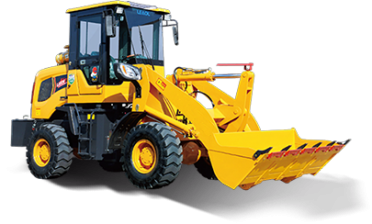
Bucket geometry directly influences filling rate and material‑handling efficiency. High‑efficiency wheel loader equips performance‑optimized buckets with strengthened cutting edges and side plates. The improved bucket profile achieves higher fill factor when moving soil, gravel, crushed stone and construction debris, reducing repeated digging actions on site
The operator cabin also contributes to overall job‑site output. ROPS‑FOPS certified cabins reduce operator fatigue with shock‑absorbing seating, low‑noise layout and simplified control interfaces. Less operator tiredness means more consistent working hours each shift, which is easy to overlook but critical for real‑world site productivity.
Manufacturing Process and Typical Application Scenarios
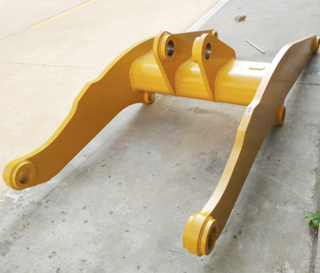
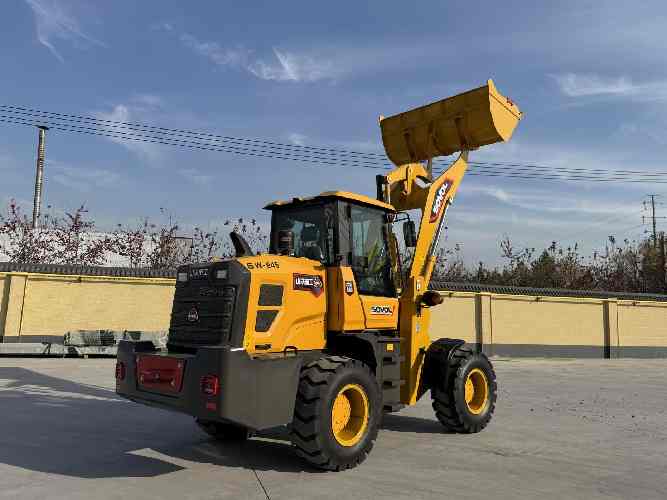
During manufacturing, each wheel loader goes through strict production workflows including metal‑structure welding, component assembling, system calibration and multi‑stage running‑in testing. Welded frames receive stress‑relief treatment to extend service life, helping deliver a durable wheel loader suitable for non‑stop commercial operation. Before leaving the factory, every unit completes continuous load simulation testing to verify hydraulic stability, engine performance and overall coordination.
In practical deployment, high‑efficiency wheel loader undertakes diversified assignments. On road‑building sites, it transports aggregate and clears construction waste. At quarries and mines, it handles rock‑loading and stockpile reshaping work. Port and logistics yards use wheel loader for stacking and transferring bulk goods. Municipal projects rely on these machines for land leveling and material distribution. For overseas importers looking for wheel loader for sale, matching machine tonnage, bucket size and power configuration with local job‑site conditions is essential to unlock maximum output potential.
Current Industry Trends for Global Wheel Loader Procurement
Several clear trends are reshaping international wheel loader purchasing in 2026. First, buyers are increasingly calculating total cost of ownership rather than comparing initial price only. Fuel‑saving high‑efficiency wheel loader gains popularity because lower hourly operating cost brings better return over equipment service life. Second, demand for adaptable machines rises; customers expect quick‑change attachments to switch between digging, grappling and snow‑clearing tasks. Third, durable wheel loader with accessible spare‑part supply enjoys bigger market advantages, as long‑distance maintenance delays can paralyze entire project schedules.
Regulatory requirements also influence product selection. Different regions enforce varied emission standards. Reputable manufacturers provide customizable engine options to satisfy Euro, EPA or local certification needs, simplifying customs clearance for cross‑border buyers searching wheel loader for sale.
Frequently Asked Questions from International B2B Buyers
Q1: What key factors should I compare when selecting a high‑efficiency wheel loader for my project?
A: Focus on rated payload, bucket capacity, engine power, hydraulic cycle time and emission compliance. Also check component durability records, spare‑part availability and warranty terms. Align machine specifications with your main materials and typical working hours per day, instead of choosing purely based on price.
Q2: How long is the standard warranty for this durable wheel loader?
A: Standard commercial warranty generally covers 12 months or 2000 operating hours, whichever comes first, covering manufacturing defects on main engine, transmission and hydraulic components. Consumable parts such as bucket teeth, seals and tires are excluded. Extended warranty packages can be negotiated for bulk orders.
Q3: Can I get customized configurations if I order wheel loader for sale for special job‑site conditions?
A: Yes. Available customizations include engine emission versions, different bucket types (rock bucket, general‑purpose bucket), auxiliary attachments, cabin options and protective reinforcements for harsh dusty sites. Share your local working environment and main applications to get suitable configuration suggestions.
Q4: How do you guarantee machine quality before shipment?
A: Each unit finishes full‑function running‑in inspection before delivery. Third‑party inspection services such as SGS are acceptable upon buyer request. Complete documentation including operation manuals, parts catalogs and required certification papers will be provided together with cargo for import customs clearance.
Conclusion
Against the backdrop of booming global infrastructure investment, high‑efficiency wheel loader stands out as a core asset to boost job‑site output. By integrating optimized powertrain, responsive hydraulics and robust structural design, a durable wheel loader helps contractors improve daily throughput while controlling fuel and maintenance expenditure. For B2B clients searching wheel loader for sale, balancing performance, adaptability and after‑sales support will bring long‑term commercial value for construction, quarry and material‑handling operations worldwide.