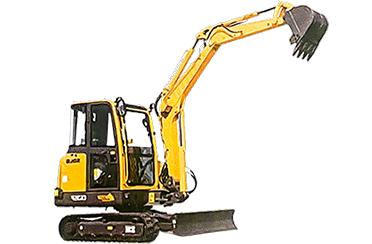

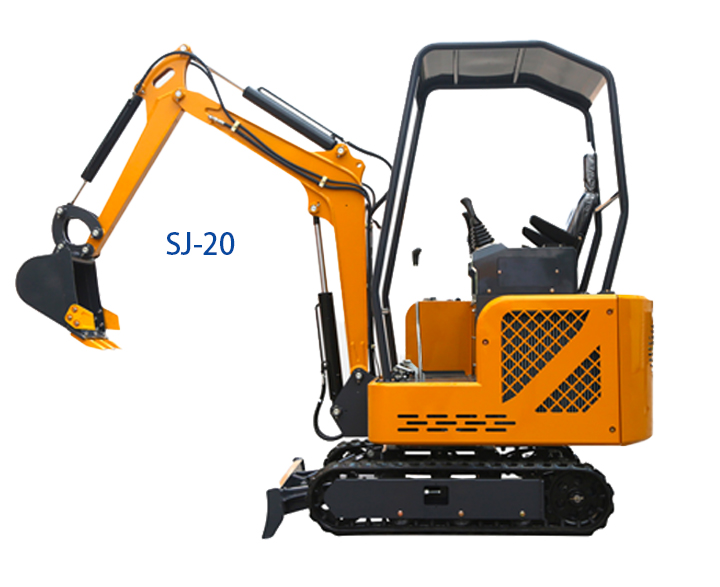
3.5 Ton Small Crawler Excavator
1. Greater Power and Efficiency
· Higher Engine Power: Typically equipped with a 25-30 kW (approximately 34-40 horsepower) diesel engine, this model provides ample power reserve.
· Greater Digging Force and Depth: Bucket and arm digging forces are typically 20%-30% higher than those of 2.5-ton models. This means it can easily handle harder soils, clay, and fully weathered rock, digging deeper and achieving greater efficiency.
· Faster Cycle Times: A more powerful hydraulic system enables faster and more powerful movement of the bucket, arm, and boom, shortening individual cycle times (digging, swinging, and unloading) and increasing the amount of earth moved per unit time.
2. Improved Stability and Working Range
· Heavier Counterweight: The heavier machine body provides greater stability. This reduces shaking or tilting during heavy operations (such as using a breaker) or long-distance excavation, ensuring safer and more precise operation. Longer boom and stick: 3.5-ton models typically offer a wider range of attachment options, including longer booms and sticks, resulting in greater digging radius, depth, and dump height than 2.5-ton models. This offers significant advantages in applications such as slope repair, deep trenching, and overcoming obstacles.
Product Details
Category Typical Specifications and Range Detailed Description
Machine Weight: 3.4-3.8 tons. This is the core basis for its classification; a flatbed truck of corresponding tonnage is required for transportation.
Engine Power: Approximately 25-30 kW (34-40 hp) Brands: Yanmar, Kubota, Sany, Cummins, etc. Emissions: China III/China IV Standards. This significantly increased power compared to the 2.5-ton model provides sufficient capacity for high-intensity operations and driving high-flow attachments.
Bucket Capacity: 0.07-0.12 m³. The standard bucket has a larger capacity, with optional options such as a narrow trench bucket and rock bucket available as needed.
Digging Force: Bucket Digging Force: ~28-35 kN. Arm Digging Force: ~20-25 kN. This significantly increased digging force allows for easy handling of tougher working conditions, such as clay, compacted soil, and weathered rock. Main Operating Dimensions: Maximum Digging Radius: ~5.8 - 6.2 meters; Maximum Digging Depth: ~3.8 - 4.2 meters; Maximum Dump Height: ~3.5 - 3.8 meters. This machine's working range surpasses the 2.5-ton model, enabling deeper and longer operations.
Travel System: Travel Speed: Two speeds, high and low, typically 2.5-5.0 km/h; Gradeability: Approximately 70% (35°); Track Type: Steel or rubber tracks available. This provides enhanced traction and improved climbing and wetland performance.
Hydraulic System: Main Pump Type: Variable Displacement Piston Pump; Pilot Control: Standard; Auxiliary Hydraulic Flow Rate: Higher, typically exceeding 40 L/min. This high flow rate ensures smooth complex movements and efficient attachment operation, making it a key component of this excellent attachment platform. Key Features: Tailless Swing: Standard on most models; Bulldozer Blade: Optional on some models for leveling and stabilization. The tailless design ensures flexibility, while the bulldozer blade enhances site adaptability and stability.
II. Overview of Mainstream Brands and Models
Similar to the 2.5-ton market, the 3.5-ton class is also primarily divided into three categories:
1. Japanese Brands (High-End Benchmarks)
· Kubota: Known for its exceptional reliability, low fuel consumption, and high value retention. Models such as the U35-5 and KX035 are industry benchmarks.
· Yanmar: Featuring world-leading engine technology, stable overall performance, and precise control. Models such as the VIO35 series.
· Features: While these are the most expensive, they offer extremely low failure rates and high availability over time, making used equipment highly valuable.
2. Top-tier Chinese Brands (Market Leader, Best Value for Money)
· Sany Heavy Industry: Models such as the SY35U offer performance comparable to or even surpassing comparable Japanese brands, competitive pricing, and a comprehensive after-sales service network.
· XCMG: Models such as the XE35E are from established state-owned enterprises, boasting solid technology, durability, and a strong market reputation.
· Lingong and Liugong: Models such as the FR35E and CLG35E both boast strong R&D capabilities and market share, offering reliable products and a high cost-performance ratio.
· Features: Pricing is approximately 20%-35% lower than Japanese brands, and their performance and quality are highly mature, making them the absolute leading sellers in the market.
3. Other Chinese Brands (Economic Entry Level)
· Numerous brands are available in Shandong, Fujian, and other regions, offering attractive pricing.
· Features: Lowest purchase cost, suitable for users with tight budgets or low annual operating hours. However, it may lag behind first-tier brands in terms of core component durability, assembly process, and long-term stability.
III. Detailed Explanation of Core Advantages and Application Scenarios (Compared to the 2.5-ton model)
1. Core Advantages:
· Increased Power: This is the most fundamental upgrade. Its increased digging force and enhanced hydraulic system enable it to efficiently handle hard soil, frozen ground, and rock, which the 2.5-ton model struggles with.
· Higher Efficiency: A larger bucket and faster operating cycles directly improve earthmoving efficiency.
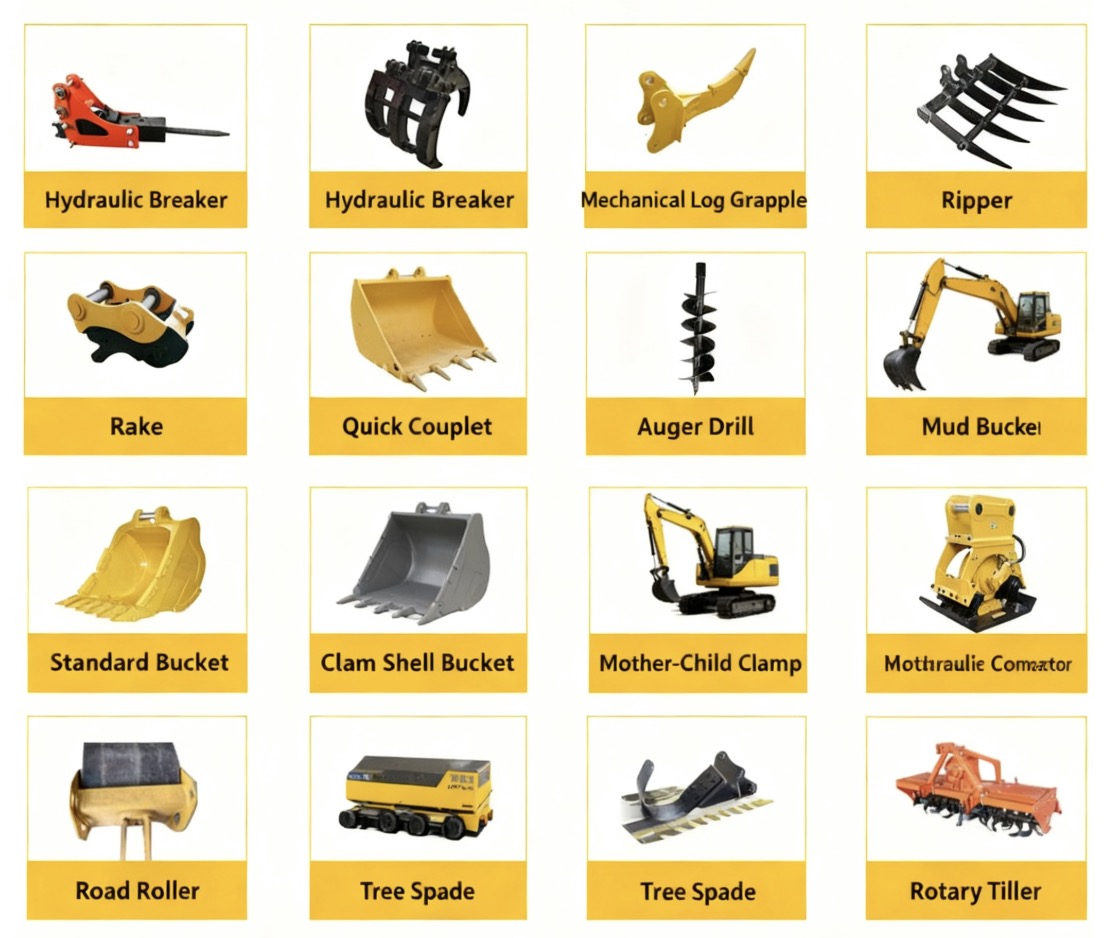
· Ultimate Attachment Platform: Its hydraulic flow and pressure perfectly match medium-sized hydraulic breakers, making it the "golden tonnage" for operations like concrete demolition and pavement demolition. It also provides greater ease and power when driving attachments like augers and vibratory tampers.
· Excellent Stability: The heavier chassis and wider tracked undercarriage provide greater stability, safety, and operational precision for heavy-duty operations or long-distance excavation. Wider Working Range: A longer reach and digging depth enable it to handle more complex working conditions, such as correcting deeper slopes and excavating wider trenches.
2. Main Applications:
Municipal Engineering: Deeper and wider water supply and drainage, and gas pipeline laying.
Small Building Foundations: Foundation excavation and basement backfilling.
Landscape and Farmland Water Conservancy: Desilting large ponds, digging canals, and leveling land.
Demolition: Used in conjunction with a breaker, it is used for interior demolition of buildings, breaking up concrete pavements, and renovating older buildings.
Mining Auxiliary: Cleaning corners and maintaining passageways in large mining areas.
Leave your messages